Across New Jersey, we’ve seen a steady increase in drivers looking for better ways to protect their vehicles beyond traditional methods. Whether you’re commuting through East Brunswick, driving around Brick Township, or spending time on high-traffic routes like the Garden State Parkway or Route 9, your vehicle is constantly exposed to conditions that affect its paint. Over time, many owners start looking for a solution that goes beyond basic washing or waxing.
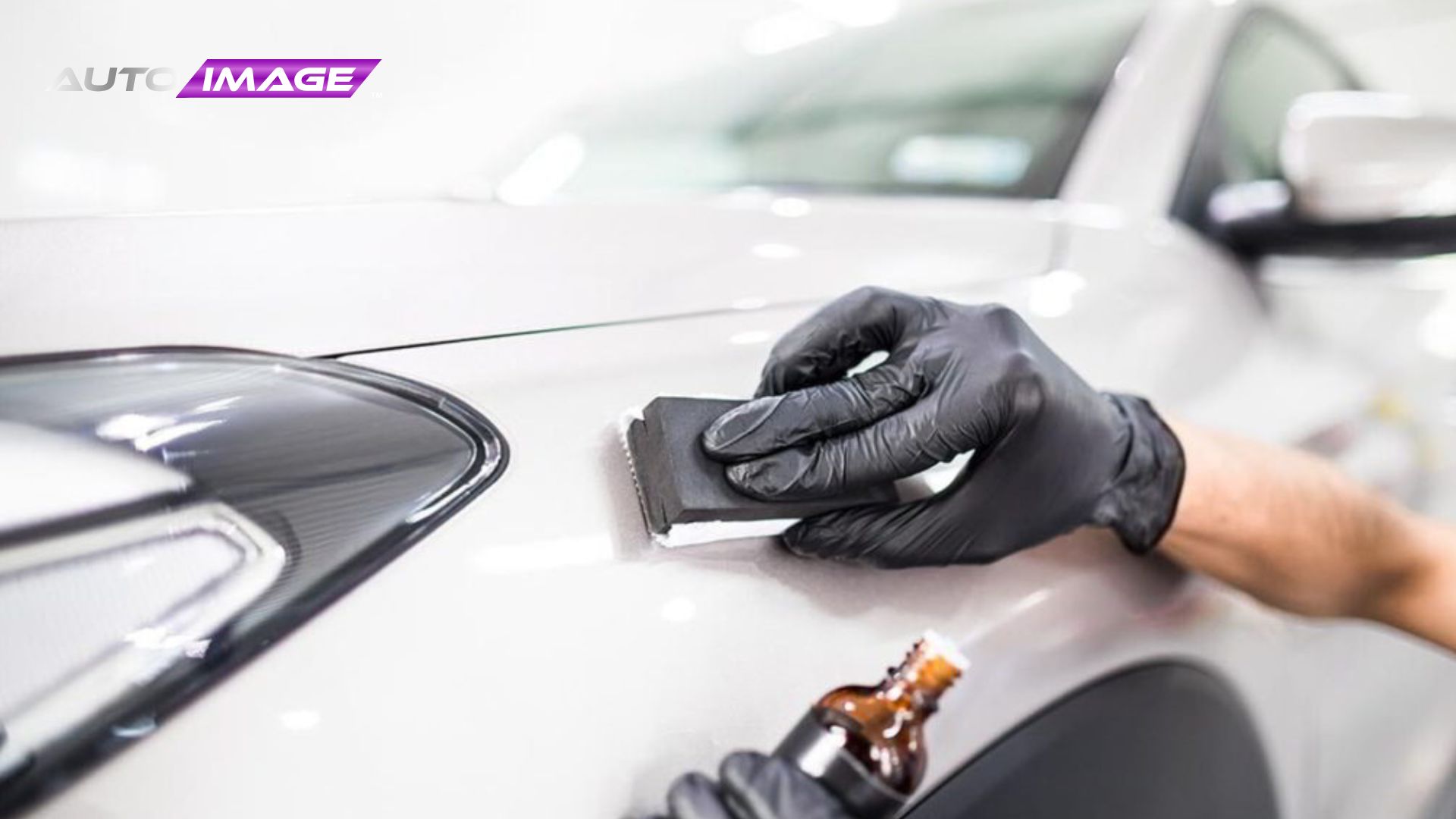
That’s where Ceramic Coating comes into the conversation. At its core, it’s a liquid-based product that is applied to the exterior surfaces of your vehicle and chemically bonds with the paint. Once it cures, it forms a durable, invisible layer of protection that helps shield the surface from everyday exposure. A proper ceramic coating application is designed to enhance both protection and appearance, but more importantly, it’s built to last.
From our experience at Auto Image, most drivers initially think of Ceramic Coating as a visual upgrade because of the gloss it provides. But the real value goes deeper than that. It’s a long-term paint protection solution that helps preserve the condition of your vehicle over time, especially in a state like New Jersey where driving conditions can be unpredictable. When applied correctly, Ceramic Coating becomes part of a broader approach to maintaining your vehicle, not just improving how it looks on day one.
Understanding What Ceramic Coating Actually Does
Ceramic Coating is often misunderstood, especially by drivers who are used to waxes or sealants. One of the most important things to understand is that it doesn’t sit on top of your paint like a temporary layer. Instead, it bonds with the clear coat, creating a more durable surface that reacts differently to water, contaminants, and environmental exposure.
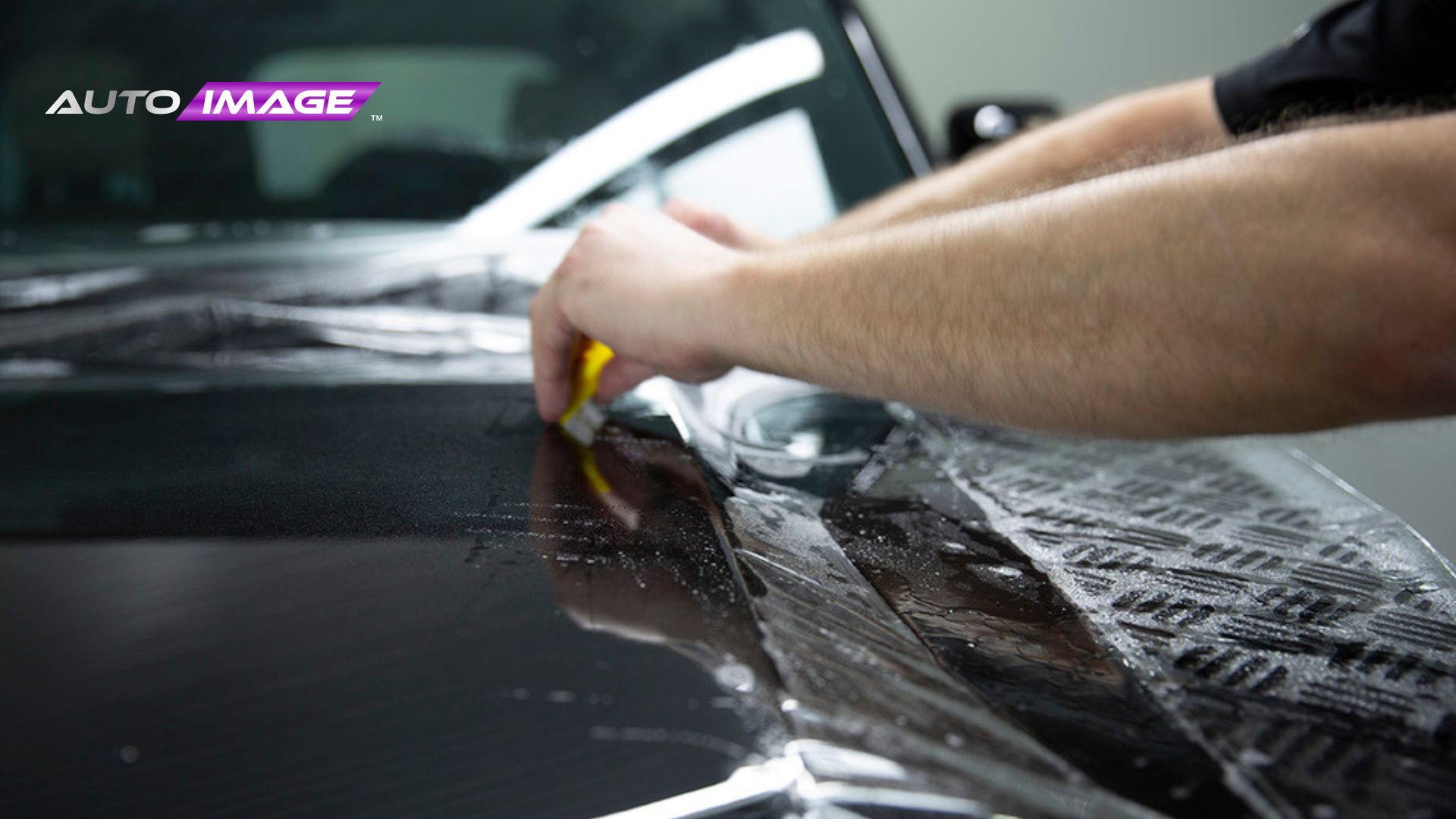
Unlike films or wraps, Ceramic Coating is a liquid product during installation. Once applied, it undergoes a curing process that allows it to harden into a protective layer. This is what gives it its long-term performance characteristics and separates it from traditional paint protection options.
To better understand how Ceramic Coating works, it helps to look at its core properties:
- Hydrophobic behavior allows water to bead and slide off the surface more easily
- Chemical resistance helps reduce the impact of contaminants on the paint
- Gloss enhancement improves depth and clarity of the finish
- Nano coating technology creates a tighter, more uniform protective layer
- Car coating durability supports long-term paint protection
These characteristics are what make Ceramic Coating effective as a paint protection solution. It’s not about creating a barrier you can see, but about enhancing the surface in a way that makes it more resistant to everyday wear.
Why New Jersey Driving Conditions Impact Your Paint
New Jersey presents a unique set of challenges when it comes to maintaining a vehicle’s exterior. From humid summers to cold winters, the environment changes significantly throughout the year, and each season introduces different factors that affect your paint.
Drivers who spend time on the road daily, especially on routes like the Garden State Parkway or Route 9, are constantly exposed to debris, contaminants, and fluctuating conditions. Vehicles parked outdoors, whether in residential areas or commercial lots, face additional exposure to sunlight, moisture, and airborne particles.
Some of the most common factors that impact vehicle paint in New Jersey include:
- Humidity that can accelerate surface contamination and buildup
- Coastal air in certain areas that introduces salt and minerals
- Winter road salt that can affect lower panels and exposed surfaces
- Seasonal temperature changes that expand and contract materials
- Long commutes that increase exposure to road debris and pollutants
Over time, these elements contribute to paint wear, staining, and loss of clarity. This is why many drivers start looking for more consistent forms of paint protection. Ceramic Coating provides a way to manage these conditions by creating a more resilient surface that can better handle daily exposure.
Protection Against Environmental Contaminants
One of the most practical benefits of Ceramic Coating is how it helps protect your vehicle from everyday contaminants. While no solution can make your car completely immune to external elements, a properly applied coating can reduce how strongly those elements interact with the paint.
In New Jersey, vehicles are regularly exposed to things like road grime, pollen, tree sap, and bird droppings. These substances can bond to the surface and, if left untreated, may lead to staining or etching over time. A ceramic coating application helps create a surface that is less reactive, making it easier to manage these types of contaminants.
From a performance standpoint, Ceramic Coating contributes to protection in several ways:
- Surface protection reduces direct contact between contaminants and paint
- Paint protection helps limit staining from organic materials
- Resistance to light chemical exposure supports long-term durability
- Contaminants are less likely to bond aggressively to the surface
- Cleaning becomes more efficient due to reduced adhesion
This doesn’t eliminate the need for maintenance, but it changes how your vehicle responds to everyday exposure. Instead of contaminants embedding into the paint, they are easier to remove during routine cleaning.
How We Approach Ceramic Coating at Auto Image
When a vehicle comes in for Ceramic Coating, we don’t start with the product, we start with the vehicle and the owner’s expectations. At Auto Image, we take a consultation-first approach because every car and every driver has different priorities. Some are focused on long-term preservation, others on maintaining appearance, and that difference matters when choosing the right solution.
We evaluate the condition of the paint, identify any imperfections, and determine what level of preparation is needed before the coating is applied. This step is essential because Ceramic Coating performs best on a properly corrected surface. Skipping preparation might save time, but it compromises results.
Our process is built around consistency and attention to detail:
- We assess the vehicle’s current paint condition and exposure history
- We perform decontamination to prepare the surface for coating
- Paint correction is completed when needed to refine the finish
- Ceramic coating application is done in a controlled environment
- We guide clients on maintenance to preserve long-term performance
Working with vehicles across New Jersey also gives us insight into how different conditions affect paint. From coastal exposure to winter road salt, we tailor each Ceramic Coating to match how the vehicle is actually used. That’s how we ensure results that are not only visible on day one, but that hold up over time.
Easier Cleaning and Maintenance
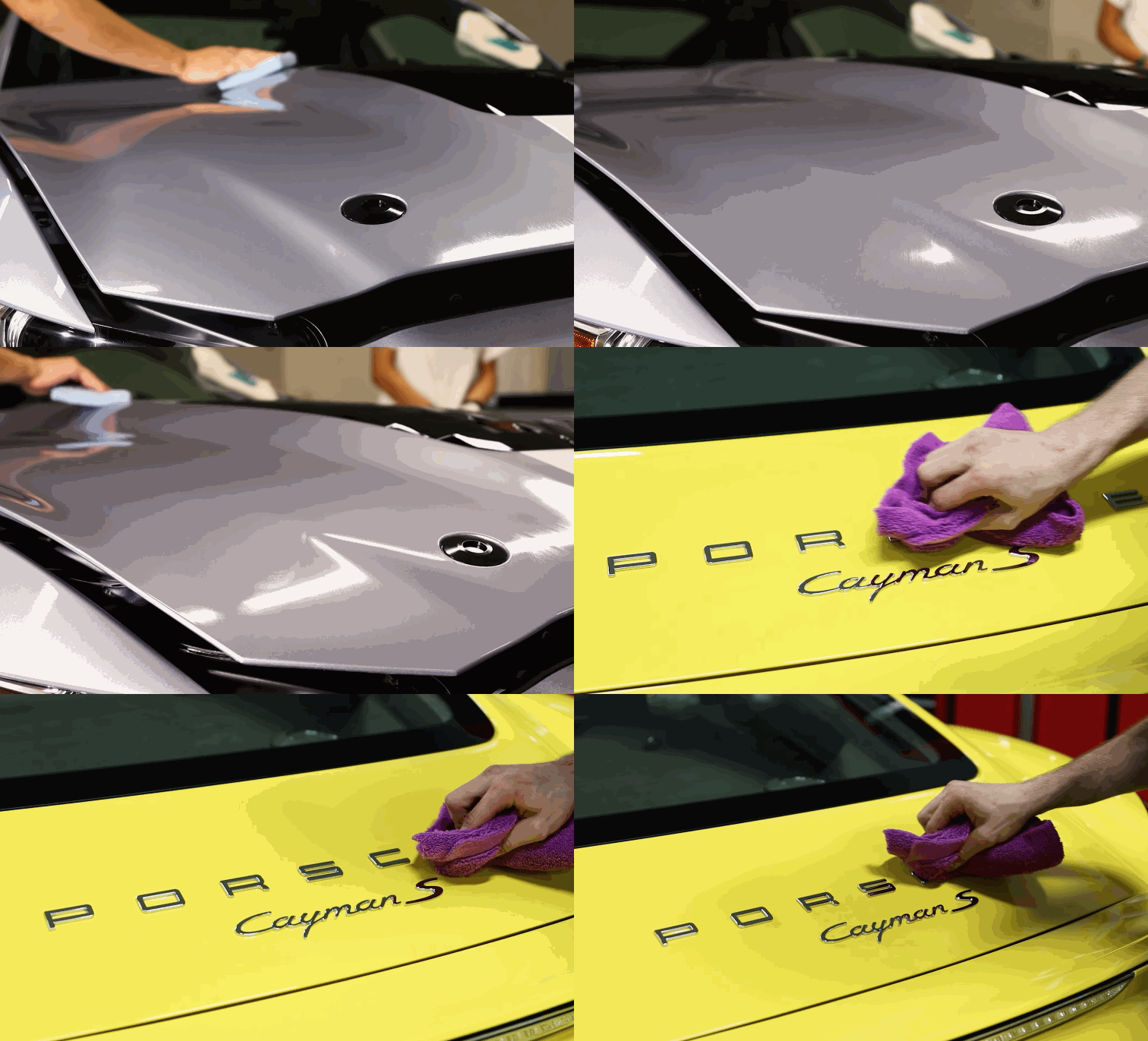
One of the first things drivers notice after a ceramic coating application is how much easier it becomes to maintain their vehicle. The hydrophobic properties of Ceramic Coating cause water to bead and slide off the surface, carrying dirt with it instead of letting it sit and leave residue. In New Jersey, where vehicles deal with rain, road spray, and changing weather, this helps keep the car looking cleaner between washes.
Over time, maintenance becomes more manageable. Dirt doesn’t stick as easily, washing takes less effort, and drying is faster due to reduced water retention. While Ceramic Coating doesn’t eliminate the need to wash your car, it simplifies the process and helps maintain a more consistent appearance, making it a practical long-term solution.
Long-Term Paint Preservation and Appearance
Many drivers in New Jersey consider Ceramic Coating not just for how their car looks now, but for how it will look over time. Constant exposure to sun, moisture, and contaminants can cause paint to lose its depth and clarity. Ceramic Coating helps protect against that by creating a more stable surface that resists everyday wear.
By reducing oxidation and minimizing fading from UV exposure, Ceramic Coating supports long-term paint preservation and gloss enhancement. This helps maintain the vehicle’s appearance and can contribute to better resale value. For long-term owners, it becomes a way to protect the condition of the paint, not just improve its shine.
Ceramic Coating vs Wax and Sealants
A common question we hear is how Ceramic Coating compares to traditional waxes and sealants. While all of these options fall under the category of paint protection, they perform very differently when it comes to durability and consistency.
Waxes and sealants sit on top of the paint and provide a temporary layer of protection. They can enhance shine and offer some resistance to water and contaminants, but they tend to wear off relatively quickly, especially in environments like New Jersey where vehicles are exposed to a mix of heat, moisture, and road debris.
Ceramic Coating, on the other hand, is designed to bond with the paint, which gives it a more durable and long-lasting presence on the surface. Instead of needing frequent reapplication, it provides a more stable form of protection.
When comparing the two, the differences become clear:
- Ceramic Coating offers longer-lasting paint protection compared to waxes
- Wax and sealants require frequent reapplication to maintain performance
- Ceramic Coating provides more consistent hydrophobic behavior over time
- Traditional products break down faster under New Jersey conditions
- Ceramic Coating maintains gloss and protection with proper maintenance
The goal is not to dismiss waxes entirely, but to understand their limitations. For drivers looking for a more long-term approach to paint protection, Ceramic Coating offers a level of consistency that temporary solutions typically can’t match.
Why Proper Ceramic Coating Application Matters
The performance of Ceramic Coating depends heavily on how it is applied. While the product itself plays a role, the preparation and installation process are what ultimately determine how well the coating performs and how long it lasts.
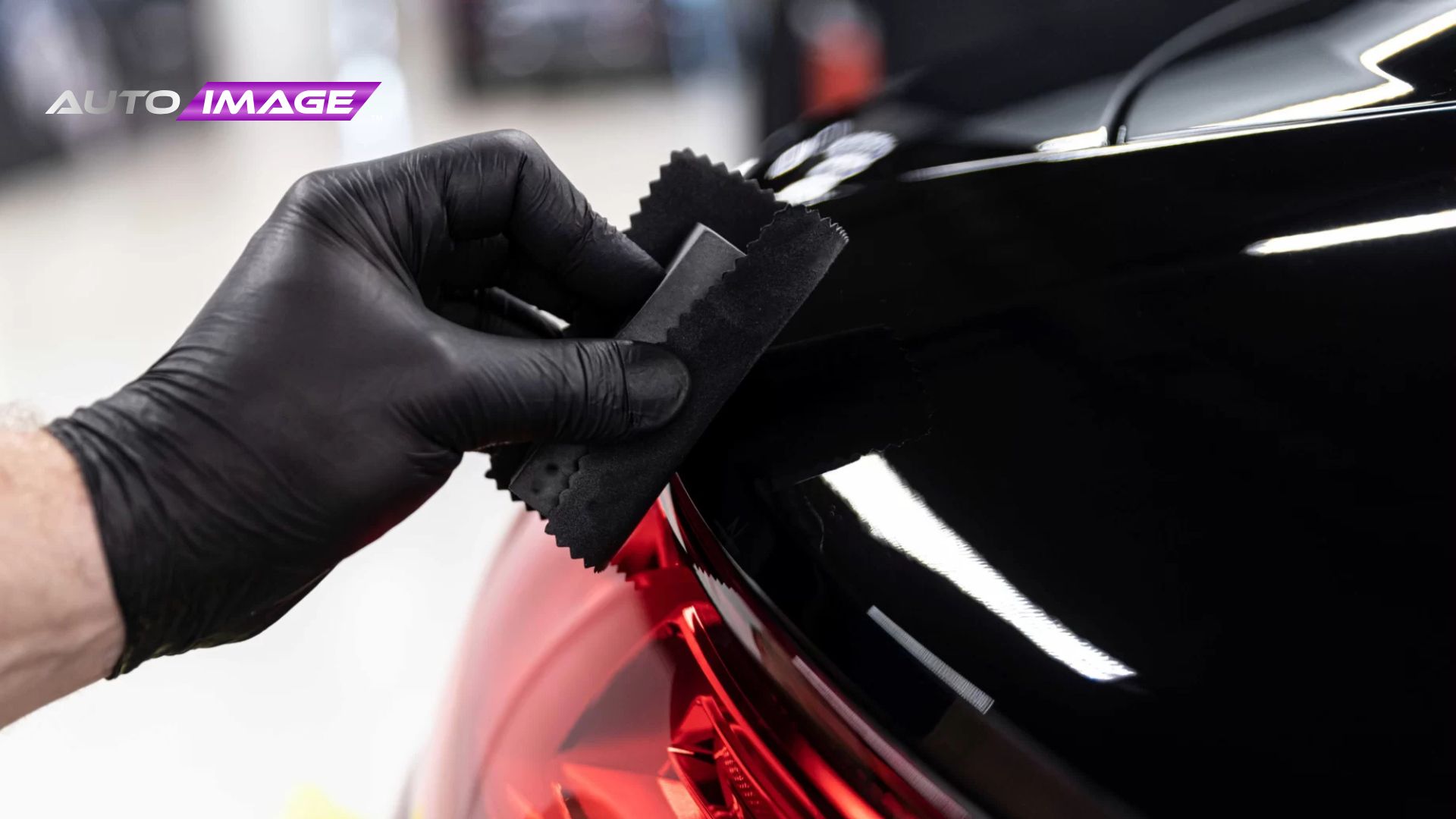
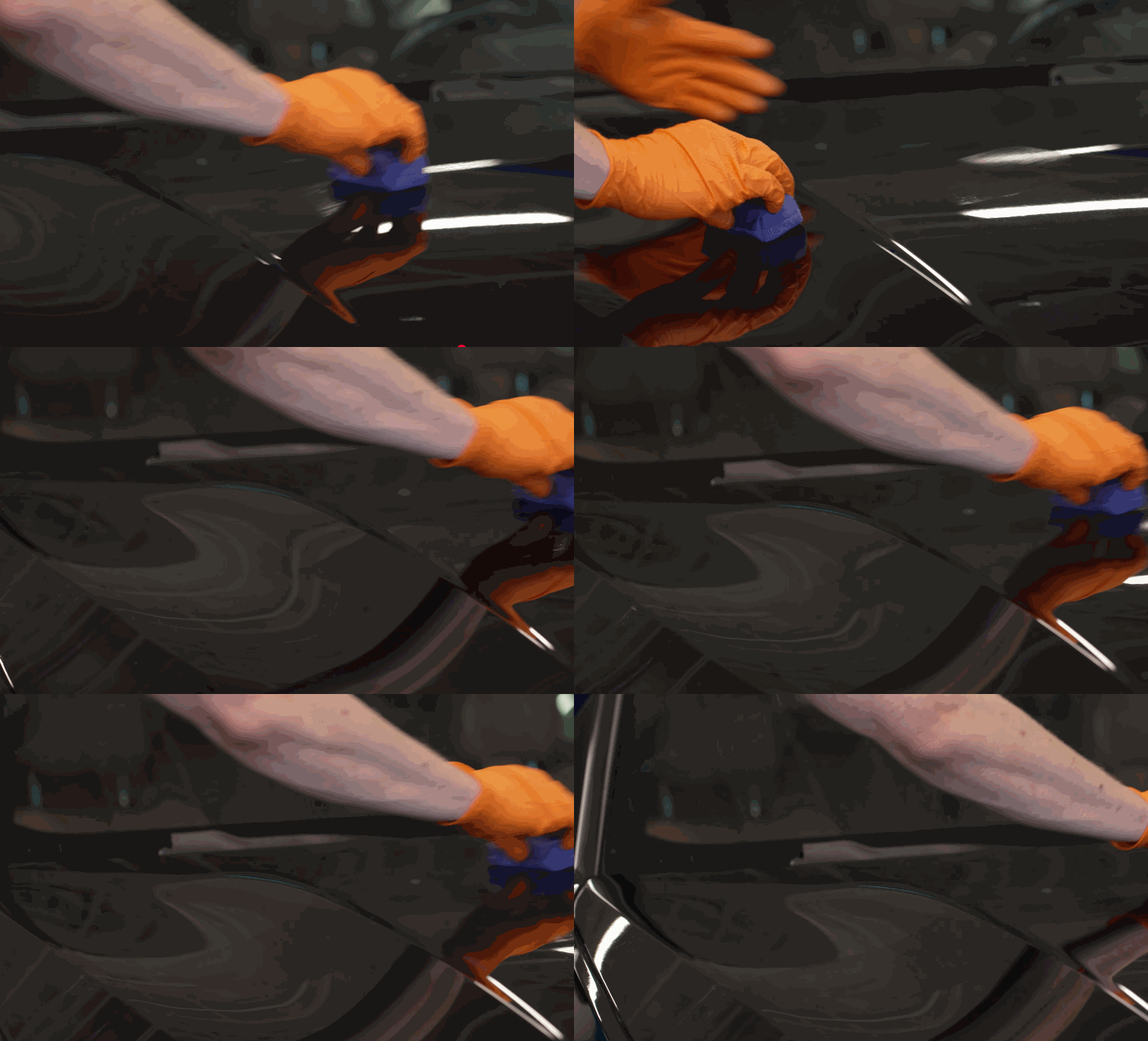
Before any ceramic coating application takes place, the vehicle’s surface needs to be properly prepared. This includes removing contaminants, correcting imperfections, and ensuring that the paint is in the best possible condition. If this step is rushed or skipped, the coating can lock in defects or fail to bond correctly.
From a process standpoint, proper application involves several critical steps:
- Thorough decontamination to remove embedded particles from the paint
- Paint correction to address swirl marks and surface imperfections
- Controlled application environment to avoid contamination during installation
- Precise leveling of the coating to ensure even coverage
- Proper curing time to allow the coating to fully bond
When these steps are done correctly, Ceramic Coating performs as expected. When they’re not, issues like uneven finish, reduced durability, or premature failure can occur. That’s why we always approach ceramic coating application as a precision process that requires attention to detail and the right environment.
conclusion: Protect Your Vehicle with Ceramic Coating in New Jersey
For many drivers in New Jersey, maintaining a vehicle’s appearance becomes more challenging over time. Between changing weather conditions, daily driving, and constant exposure to contaminants, the paint is always under stress. Ceramic Coating offers a way to manage that exposure by creating a more resilient surface that supports both protection and long-term appearance.
What makes the biggest difference, however, is not just the coating itself, but how it’s applied. A proper ceramic coating application ensures that the product bonds correctly, performs consistently, and delivers the level of protection drivers expect. Without that foundation, even high-quality coatings may not achieve their full potential.
At Auto Image, we focus on providing solutions that align with how New Jersey drivers actually use their vehicles. From preparation to final application, our goal is to deliver Ceramic Coating results that hold up in real-world conditions, not just in controlled environments.
If you’re looking for a way to protect your vehicle’s paint and simplify long-term maintenance, Ceramic Coating is worth considering. Contact Auto Image today to talk through your options and find the right approach for your vehicle.