If you’ve spent any time driving around New Jersey, you already know how quickly a vehicle can start to show signs of wear. Between winter road salt, humid summers, and constant exposure to debris on highways like the Garden State Parkway or I-95, keeping your paint in good condition takes effort. That’s exactly why ceramic coating has become such a popular option for car owners looking for long-term vehicle protection and a more efficient way to maintain their vehicles.
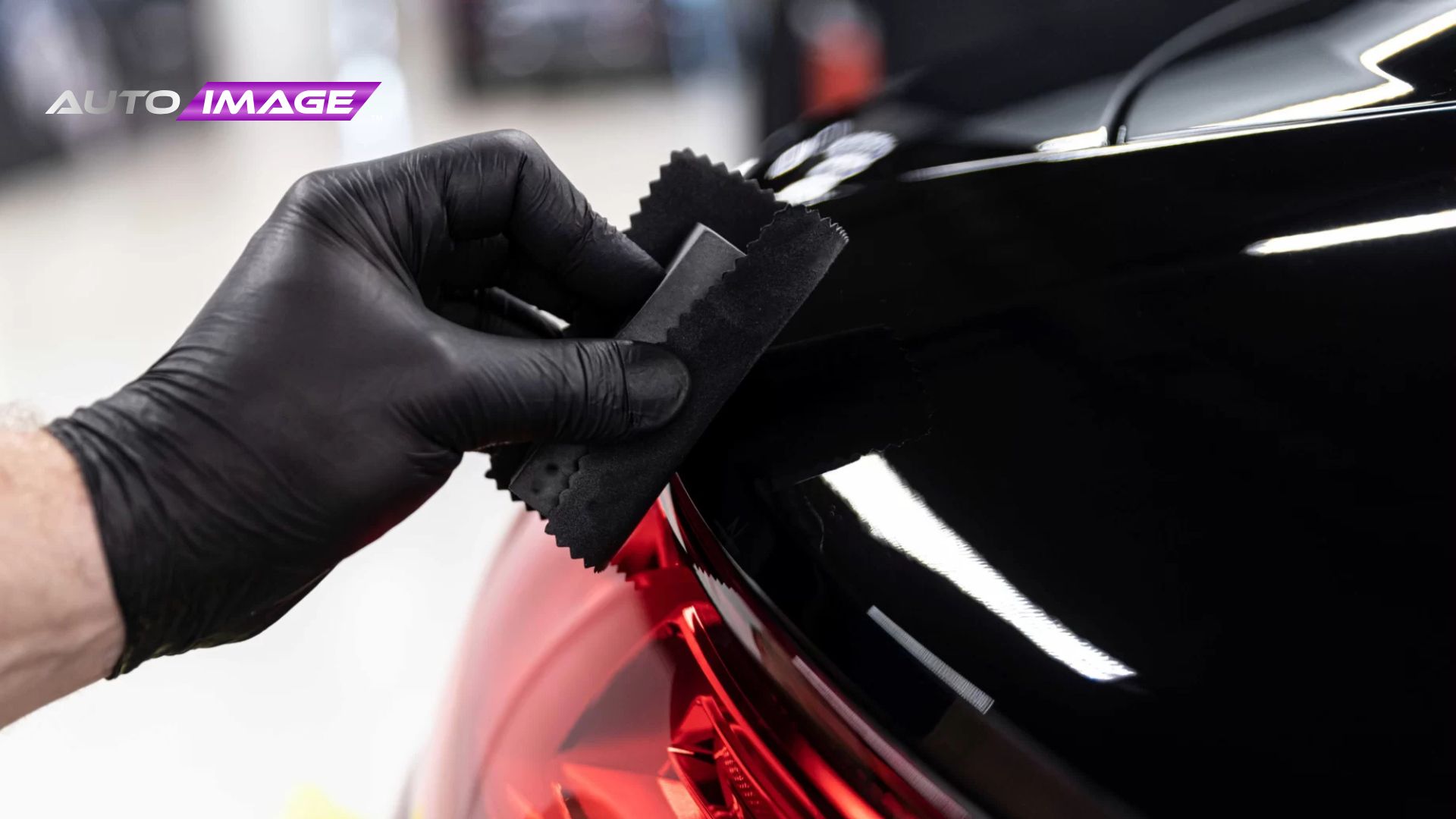
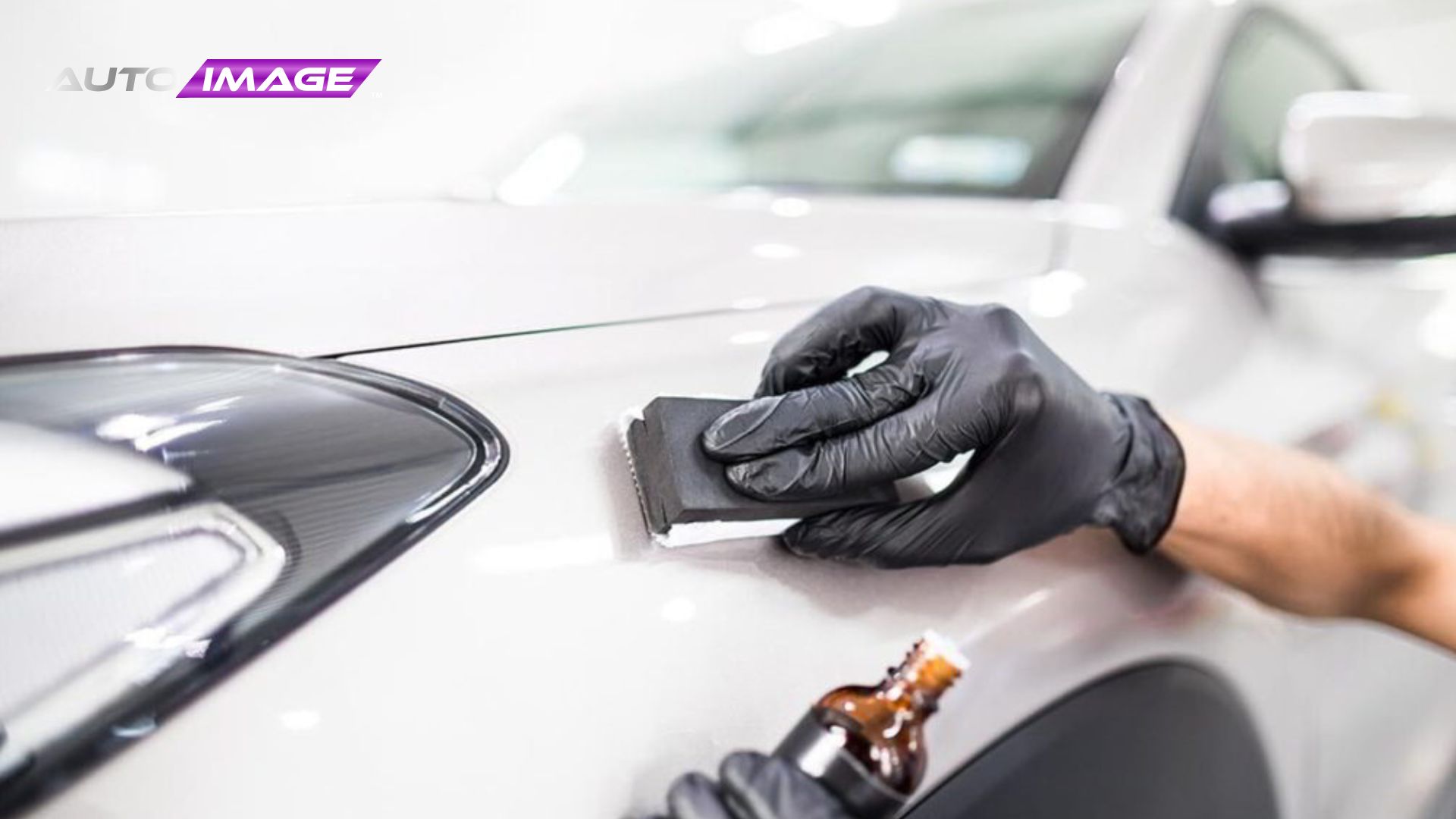
At its core, ceramic coating is a liquid polymer applied to your vehicle’s exterior that bonds with the paint, creating a durable protective layer. It helps resist contaminants, enhances gloss, and makes cleaning easier. But the question we hear all the time is simple, and completely valid, how long does ceramic coating actually last?
The reality is, there isn’t a one-size-fits-all answer. The lifespan of a ceramic coating depends on several factors, including the quality of the product, the precision of the ceramic coating application, and how the vehicle is maintained over time. While ceramic coating is designed to provide long-term paint protection, its performance will always be influenced by how and where the vehicle is used.
What Determines How Long Ceramic Coating Lasts
When people ask about ceramic coating lifespan, they’re usually expecting a fixed number of years. In practice, durability is influenced by multiple variables working together. From our experience working on vehicles every day, coating performance is less about a single factor and more about the overall approach, starting with the installation process and continuing with how the car is maintained afterward.
Here are the main factors that affect coating durability:
- Quality of the product: Not all ceramic coatings are created equal. Entry-level coatings offer shorter-term protection, while professional-grade coatings are engineered for longer durability and stronger resistance to environmental exposure.
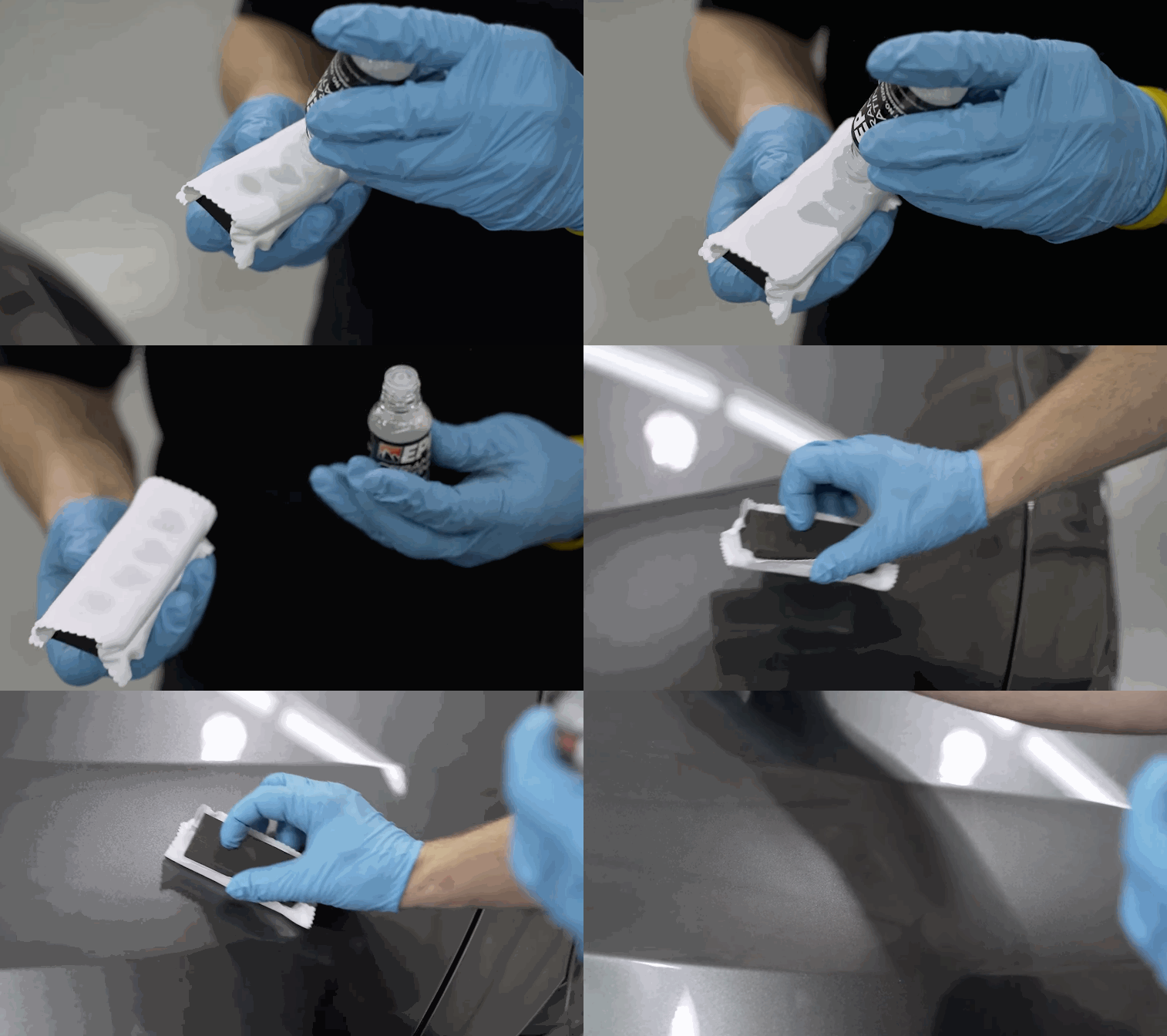
- Ceramic coating application: Proper application plays a critical role. A professional ceramic coating application ensures the surface is fully prepared, properly corrected, and evenly coated, which directly impacts how long the coating performs.
- Maintenance habits: Regular washing using proper techniques and products helps preserve the coating. Neglect or improper care can shorten its lifespan significantly.
- Environmental exposure: Vehicles exposed to harsh conditions, like constant sun, road salt, or heavy traffic debris, will experience faster wear compared to garage-kept cars.
Ultimately, coating durability is the result of both the initial installation and how the vehicle is treated afterward. Professional installation and consistent care are what separate a coating that lasts a couple of years from one that truly delivers long-term performance.
How New Jersey Conditions Affect Ceramic Coating Performance
Driving in New Jersey presents a unique combination of challenges that can impact your vehicle’s paint over time. Unlike areas with more stable climates, New Jersey drivers deal with constant environmental changes throughout the year. That’s one of the main reasons why ceramic coating in New Jersey has become less of a luxury and more of a practical solution for paint protection.
Winter is one of the biggest factors. Road salt used on highways like Route 1 or the Turnpike can be extremely aggressive on your vehicle’s exterior. Without proper protection, salt and moisture can accelerate wear and lead to long-term damage. Then, as temperatures rise, humidity and heat create another layer of stress on your paint.
Coastal areas, especially near the Jersey Shore, introduce additional exposure to salt air and moisture. Even if you’re not driving directly on the beach, the environment itself can contribute to oxidation and surface contamination over time. On the other hand, urban driving in places like Newark or Jersey City exposes vehicles to pollution, brake dust, and constant debris from dense traffic.
When you combine all these factors, it becomes clear why environmental protection is so important in this region. Ceramic coating acts as a barrier that helps reduce the impact of these conditions, making it easier to maintain your vehicle’s appearance despite everything New Jersey roads throw at it.
Average Lifespan of a Professional Ceramic Coating
One of the most common misconceptions about ceramic coating is that it has a fixed lifespan. In reality, different coatings are designed for different levels of durability, and understanding those differences helps set realistic expectations.
Generally speaking, here’s how coating lifespan tends to break down:
- Entry-level coatings: These typically last around 1 to 2 years. They offer basic protection and improved gloss but require more frequent reapplication.
- Mid-tier coatings: These coatings can last between 2 to 4 years, providing stronger protection and better resistance to environmental contaminants.
- Professional-grade coatings: High-quality coatings applied through a professional ceramic coating application can last 5 years or more when properly maintained, offering consistent performance and long-term protection.
It’s important to understand that longevity isn’t just about how long the coating remains on the surface. True performance comes down to how well it continues to protect your paint, repel contaminants, and maintain its hydrophobic properties over time. A coating may still be present after several years, but if it’s no longer performing effectively, it’s not delivering the protection you expect.
That’s why proper installation and maintenance are just as important as the coating itself. When done correctly, ceramic coating becomes a reliable part of your long-term vehicle protection strategy.
The Importance of Proper Ceramic Coating Application
One of the biggest factors that determines whether a ceramic coating lasts two years or five comes down to how it’s applied. A proper ceramic coating application is a detailed process that goes far beyond simply applying a product to the paint. It requires preparation, precision, and the right environment to achieve consistent results.
Before any coating is applied, the vehicle needs to go through a thorough preparation process. This includes decontamination to remove embedded dirt and particles, followed by paint correction if necessary. Any imperfections left in the paint will be sealed under the coating, so getting the surface right from the start is critical.
The environment also plays a major role. Applying a professional ceramic coating in a controlled space helps prevent dust, moisture, and contaminants from interfering with the bonding process. Without these conditions, the coating may not adhere properly, which can lead to reduced durability and uneven performance.
At Auto Image, we approach every ceramic coating application with that level of attention to detail. From preparation to final inspection, the goal is to ensure that the coating bonds correctly and performs as expected over time. Skipping steps or rushing the process can lead to issues like streaking, premature wear, or inconsistent protection.
When you look at the long-term value of ceramic coating, proper application is what makes the difference. It’s not just about applying a product, it’s about building a foundation that allows that coating to perform the way it was designed to.
Maintenance: The Key to Extending Coating Life
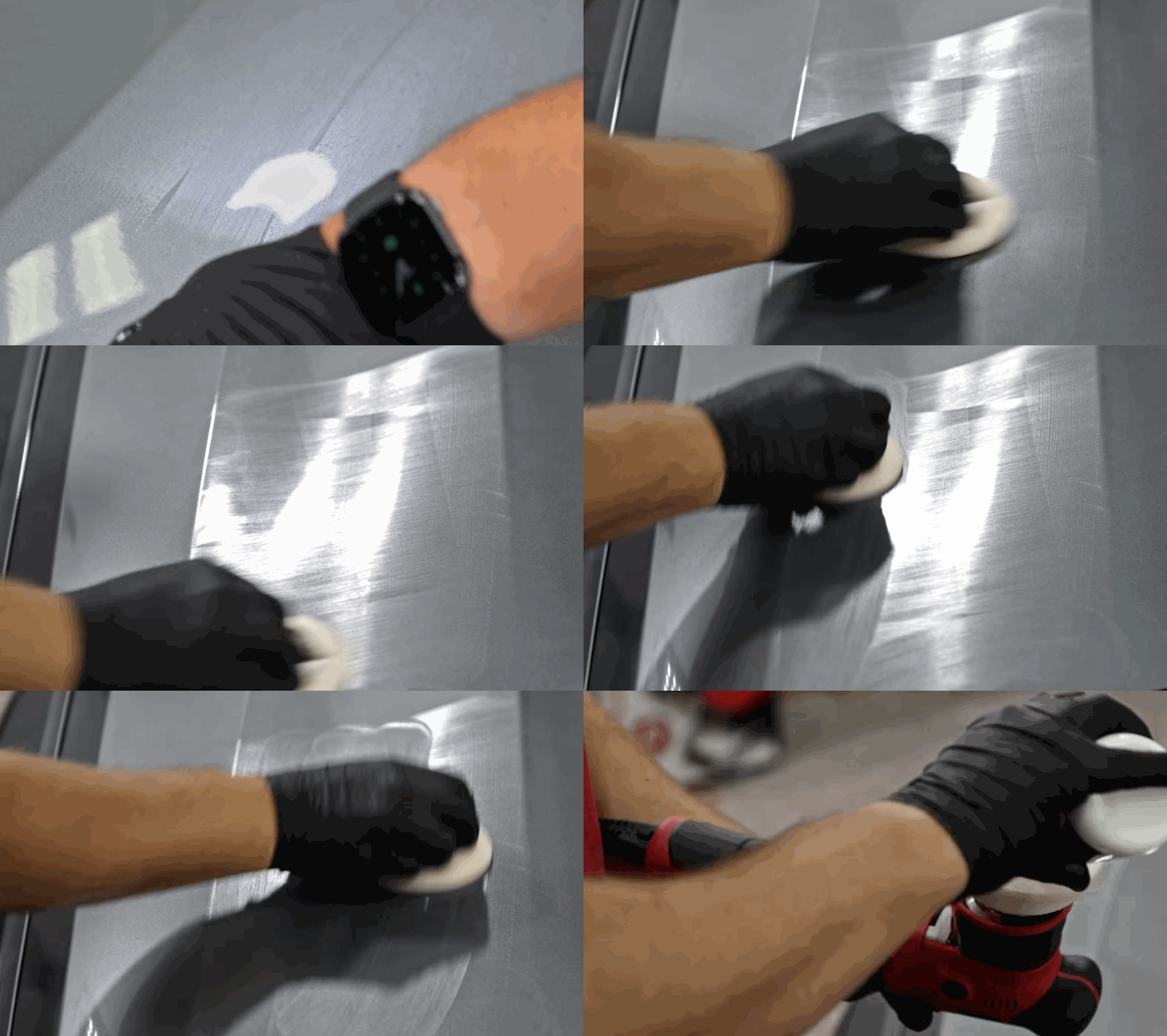
Once your ceramic coating is installed, the next step is what truly determines how long it will continue performing. A lot of people assume that coating a vehicle means no more maintenance, but the reality is different. Proper ceramic coating maintenance is what preserves its hydrophobic properties, gloss, and overall protection. When done right, maintenance becomes simple and far less time-consuming than traditional car care.
In New Jersey, where vehicles are constantly exposed to road salt, pollen, humidity, and urban contamination, regular washing is essential. Letting dirt and contaminants sit on the surface for too long can reduce the effectiveness of the coating and impact its longevity. The goal is not just to keep the car clean, but to protect the coating itself.
Here are a few key practices we always recommend to maintain coating performance:
- Use proper washing techniques: Hand washing with a microfiber mitt and the two-bucket method helps prevent swirl marks and preserves the coating’s surface.
- Avoid automatic car washes with brushes: Many drive-through washes use abrasive brushes that can damage the coating and reduce its lifespan over time.
- Choose pH-neutral products: Harsh chemicals can degrade the coating. Using pH-balanced soaps helps maintain its protective properties.
- Schedule periodic inspections: Having your vehicle checked periodically allows for maintenance treatments that can refresh and extend coating longevity.
When you stay consistent with maintenance, ceramic coating continues to perform the way it’s intended. It keeps your vehicle easier to clean, protects against contaminants, and helps maintain that freshly detailed look for much longer.
Is Ceramic Coating Worth It for New Jersey Driver
For drivers in New Jersey, vehicle protection is not just about appearance, it’s about dealing with real-world conditions every day. From winter salt on the Turnpike to summer heat and humidity, your vehicle is constantly exposed to elements that can slowly wear down the paint. That’s where ceramic coating becomes a practical solution, not just an upgrade.
One of the biggest ceramic coating benefits is how it simplifies long-term car care. Instead of constantly waxing or worrying about contamination building up on your paint, the coating creates a surface that naturally repels water, dirt, and debris. This means less effort to keep your vehicle clean and more consistent results over time.
It also plays an important role in protecting your vehicle’s value. Paint condition is one of the first things people notice, and over time, exposure to harsh conditions can lead to fading, oxidation, and staining. Ceramic coating helps reduce that wear, making it easier to maintain your vehicle’s appearance whether you plan to keep it long-term or eventually sell it.
At Auto Image, we see this every day with customers across New Jersey. Whether someone is commuting daily, parking outdoors, or driving along coastal areas, ceramic coating offers a level of protection that fits real driving conditions. It’s both a preventative and protective solution, helping you stay ahead of damage instead of constantly correcting it.
Why Professional Installation Makes a Difference
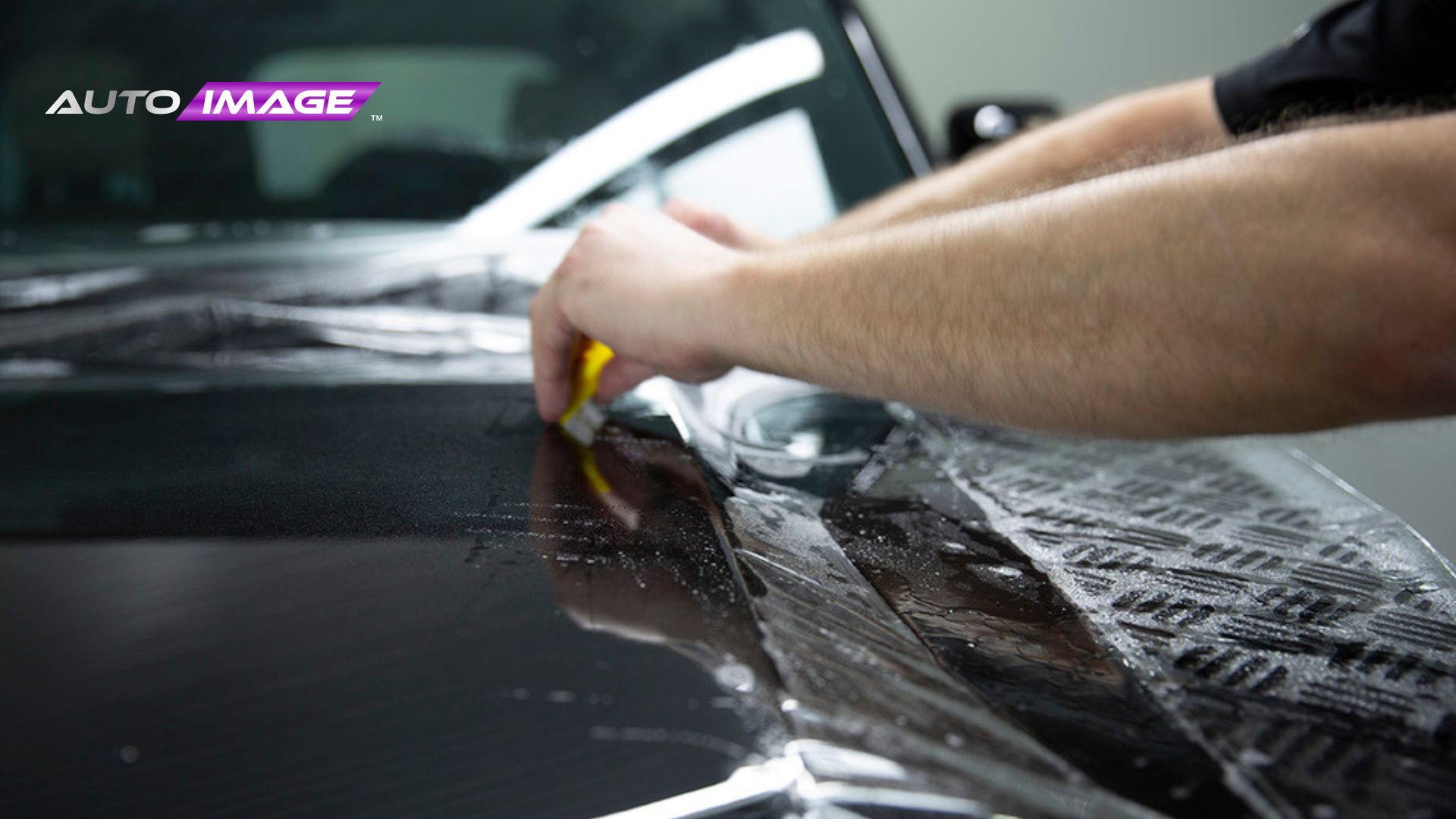
There’s a big difference between applying a coating and installing it correctly. While DIY kits are widely available, they don’t always deliver the same level of performance as a professional ceramic coating application. The difference comes down to preparation, experience, and the environment in which the work is done.
A professional installation focuses on building the right foundation before the coating is even applied. Without proper preparation, even the best coating won’t perform as expected. Surface contamination, minor imperfections, or improper bonding can all affect coating durability and overall results.
When comparing DIY vs professional installation, a few key differences stand out:
- Surface preparation: Professional installation includes thorough decontamination and paint correction to ensure the coating bonds properly.
- Controlled environment: Applying a coating in a clean, controlled space prevents dust and moisture from interfering with the process.
- Product quality: Professional-grade coatings are often more durable than consumer products, offering better long-term performance.
- Application precision: Experience plays a major role in achieving even coverage and consistent results across the entire vehicle.
At Auto Image, we approach every ceramic coating application with long-term results in mind. It’s not just about how the car looks when it leaves the shop, it’s about how the coating performs months and years down the road. That level of attention to detail is what separates a short-term solution from true long-term protection.
Conclusion: Protecting Your Vehicle for the Long Term
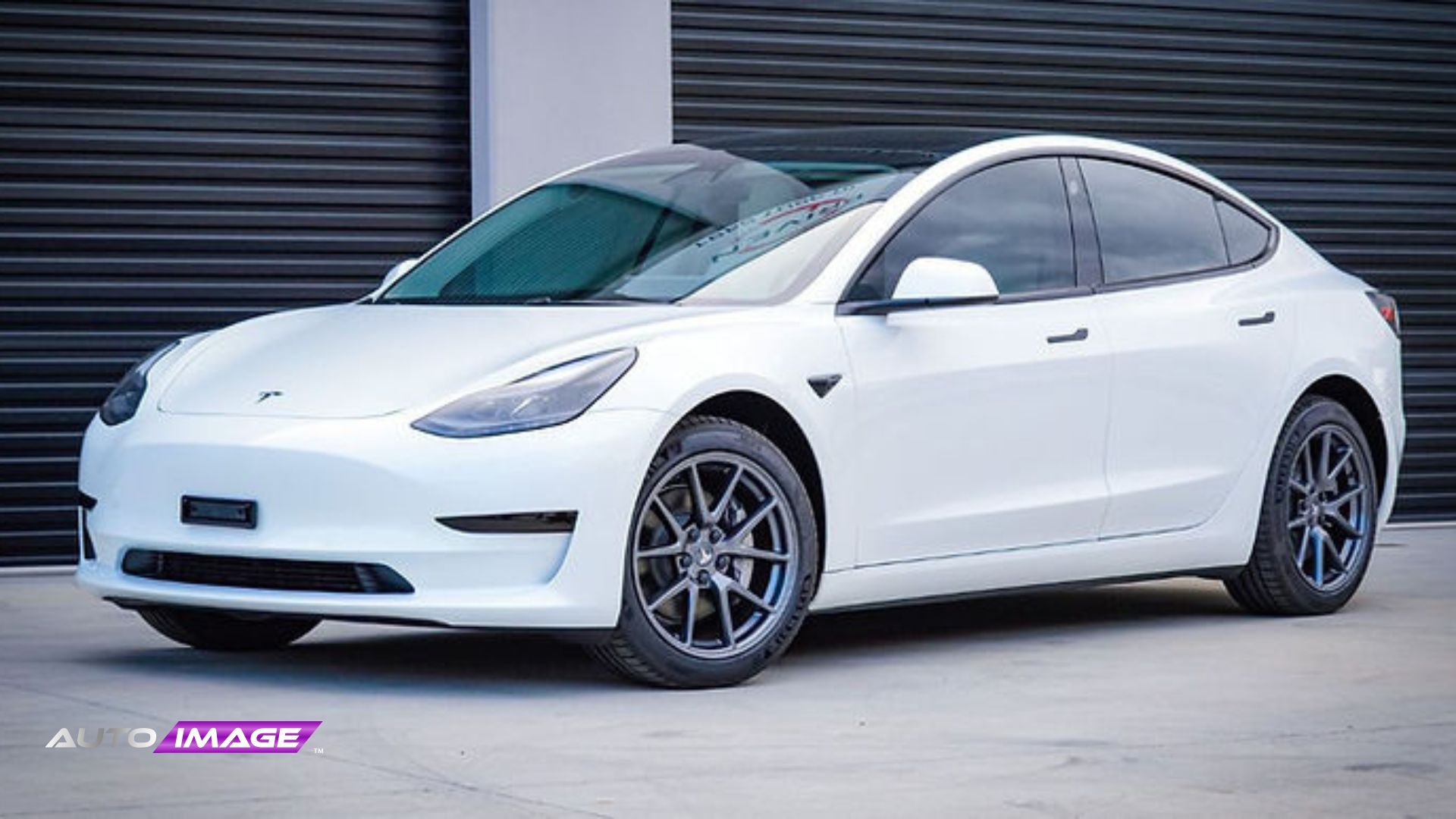
So, how long does ceramic coating last? The answer depends on how it’s applied, how it’s maintained, and how the vehicle is used. With a proper ceramic coating application and consistent care, it can provide years of reliable protection, helping your vehicle stand up to everything from New Jersey winters to everyday driving conditions.
What makes the biggest difference is not just the product itself, but the process behind it. Professional installation, proper preparation, and ongoing maintenance all work together to ensure that the coating performs the way it’s designed to. When those elements are in place, ceramic coating becomes a smart, long-term investment in your vehicle’s appearance and protection.
At Auto Image, we focus on delivering that level of quality and consistency with every vehicle we work on. If you’re considering ceramic coating or want to get the most out of your current protection, our team is here to help.
Contact us today to schedule a consultation or request a quote, and let’s make sure your vehicle is protected for the long run.