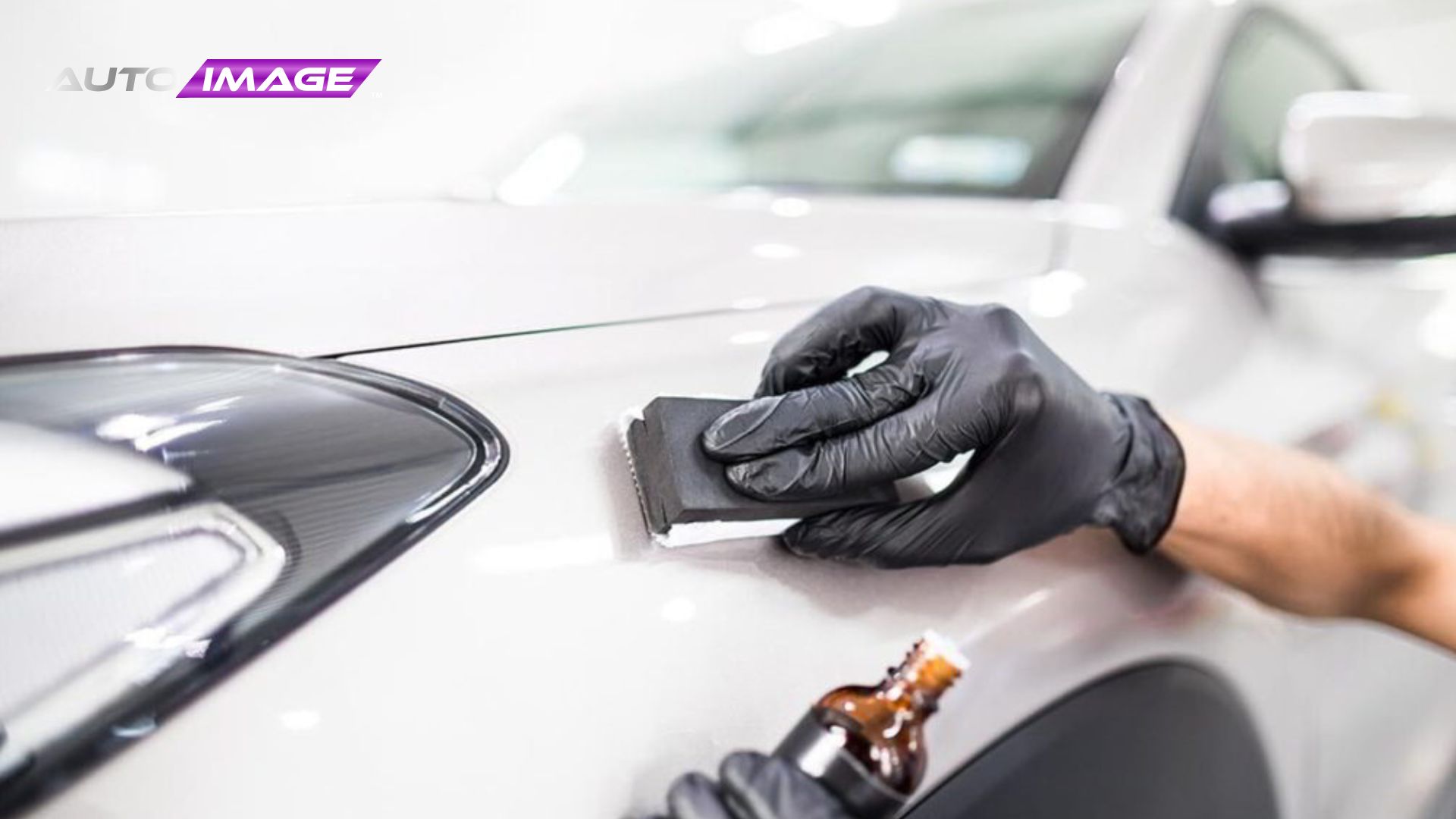
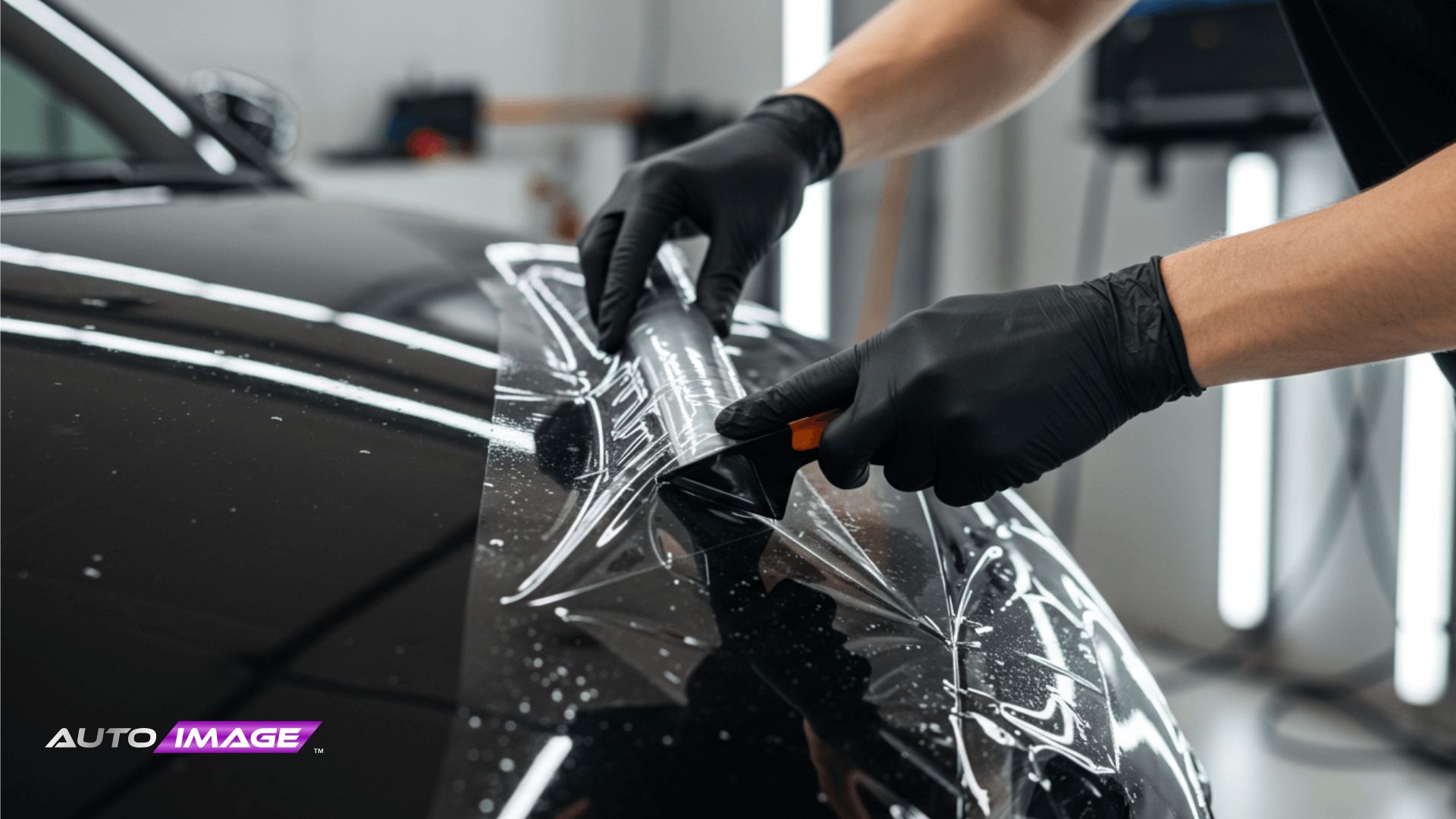
Driving in New Jersey means dealing with constant changes in weather, sometimes all within the same week. Cold winters, humid summers, coastal air, and seasonal debris all interact with your vehicle’s exterior in different ways. Over time, those conditions affect paint, trim, and any protective products applied to the surface.
That is why Paint Protection Film maintenance matters more in mixed climates like New Jersey than it does in regions with more stable weather. PPF is designed to take the abuse instead of your paint, but it still needs attention to perform consistently. When maintained properly, it supports long-term ownership rather than acting as a short-term solution.
From our perspective as installers and PPF users, PPF installation is not just about protection on day one. It is about setting up a system that holds up through years of exposure. This article is meant to offer practical guidance for New Jersey drivers who want their PPF to last, not just look good when it is new.
Why New Jersey Weather Is Unique for Paint Protection Film
New Jersey’s four-season climate places very specific demands on exterior vehicle protection. Unlike regions that deal with only heat or only cold, NJ vehicles are exposed to a rotating mix of environmental stressors throughout the year.
Common local factors include:
- Winter road salt and brine that settle along lower panels and front-end surfaces
- Coastal moisture that increases residue and mineral buildup
- Spring pollen that clings to film and paint
- Summer heat and UV exposure that accelerate surface wear
Each of these conditions contributes to gradual wear on Paint Protection Film. None of them are extreme on their own, but together they make consistent care essential. Proper maintenance helps PPF continue absorbing impacts, resisting staining, and preserving the finish beneath it, even as conditions change season to season.
Understanding What Paint Protection Film Is Designed to Handle
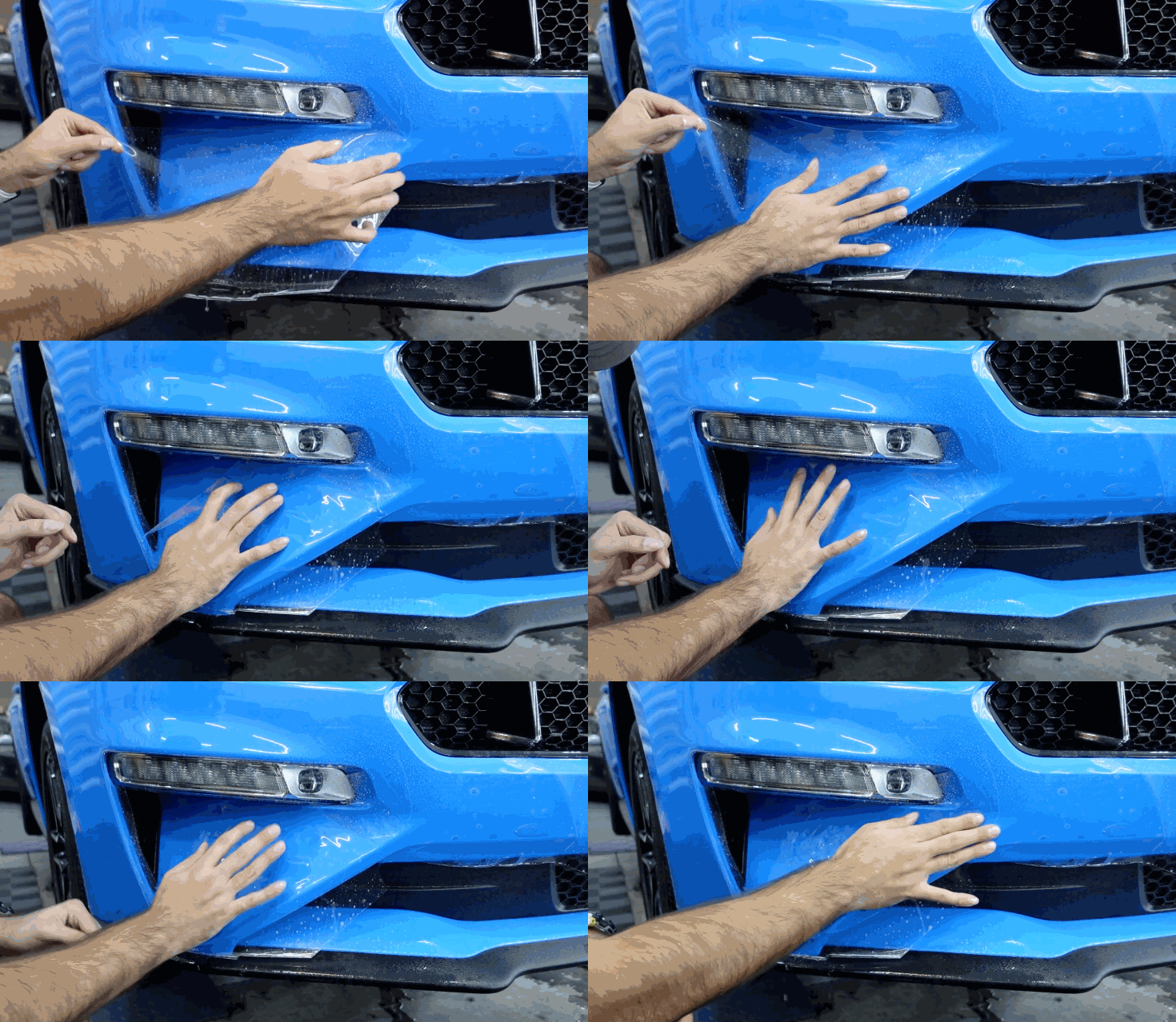
Paint Protection Film is designed to act as a sacrificial layer between your vehicle’s paint and the road. It protects against common hazards such as minor debris, surface abrasion, and environmental fallout that would otherwise mark or damage the paint.
It is important, however, to understand the difference between normal wear and neglect. PPF can handle a lot, especially modern self-healing film designed to recover from light surface marks. What it is not designed to do is compensate for long periods of neglect, harsh chemicals, or improper care.
Setting realistic expectations builds trust. With informed care, surface protection remains consistent and predictable. Without it, even high-quality film can show premature wear. Understanding those limits is key to getting long-term value from your investment.
The Role of Proper PPF Installation in Long-Term Maintenance
Maintenance does not begin months after installation. It starts the day the film is applied. The quality of PPF installation plays a major role in how easy the film is to maintain over time.
At a high level, professional installation focuses on:
- Proper surface preparation to ensure clean adhesion
- Precise fitment that reduces exposed edges
- Edge wrapping where appropriate to limit dirt and moisture intrusion
When installation is done correctly, routine care becomes simpler and more effective. This is why working with an experienced shop like Auto Image matters. Their familiarity with New Jersey driving conditions and installation standards helps ensure the film is set up to perform long-term, not just look good on delivery day.
From real-world experience, well-installed PPF consistently ages better, requires fewer corrections, and holds up more predictably across New Jersey’s changing seasons.
Washing Your Vehicle With PPF in New Jersey Conditions
Keeping a vehicle clean is one of the simplest ways to support the longevity of Paint Protection Film, but how and when you wash matters, especially in New Jersey. With frequent weather changes, moisture, and road residue, contaminants tend to build up faster than many drivers expect.
At a high level, safe washing practices for PPF-covered vehicles focus on being gentle and consistent. The goal is to remove surface contaminants without stressing the film or its edges. In New Jersey, washing frequency often needs to adjust to driving habits rather than the calendar. Vehicles driven daily, parked outdoors, or used on highways typically require more frequent attention.
Seasonal factors also play a role:
- Winter salt and brine tend to accumulate along lower panels and front-facing surfaces
- Early spring introduces pollen, tree sap mist, and airborne debris
- Wet conditions increase residue that can dry onto the film
Avoiding neglect during these periods helps prevent buildup that becomes harder to remove later. While there is no need for rigid routines, reinforcing best practices through regular, mindful washing keeps Paint Protection Film performing as intended.
Seasonal Care Considerations for PPF in New Jersey
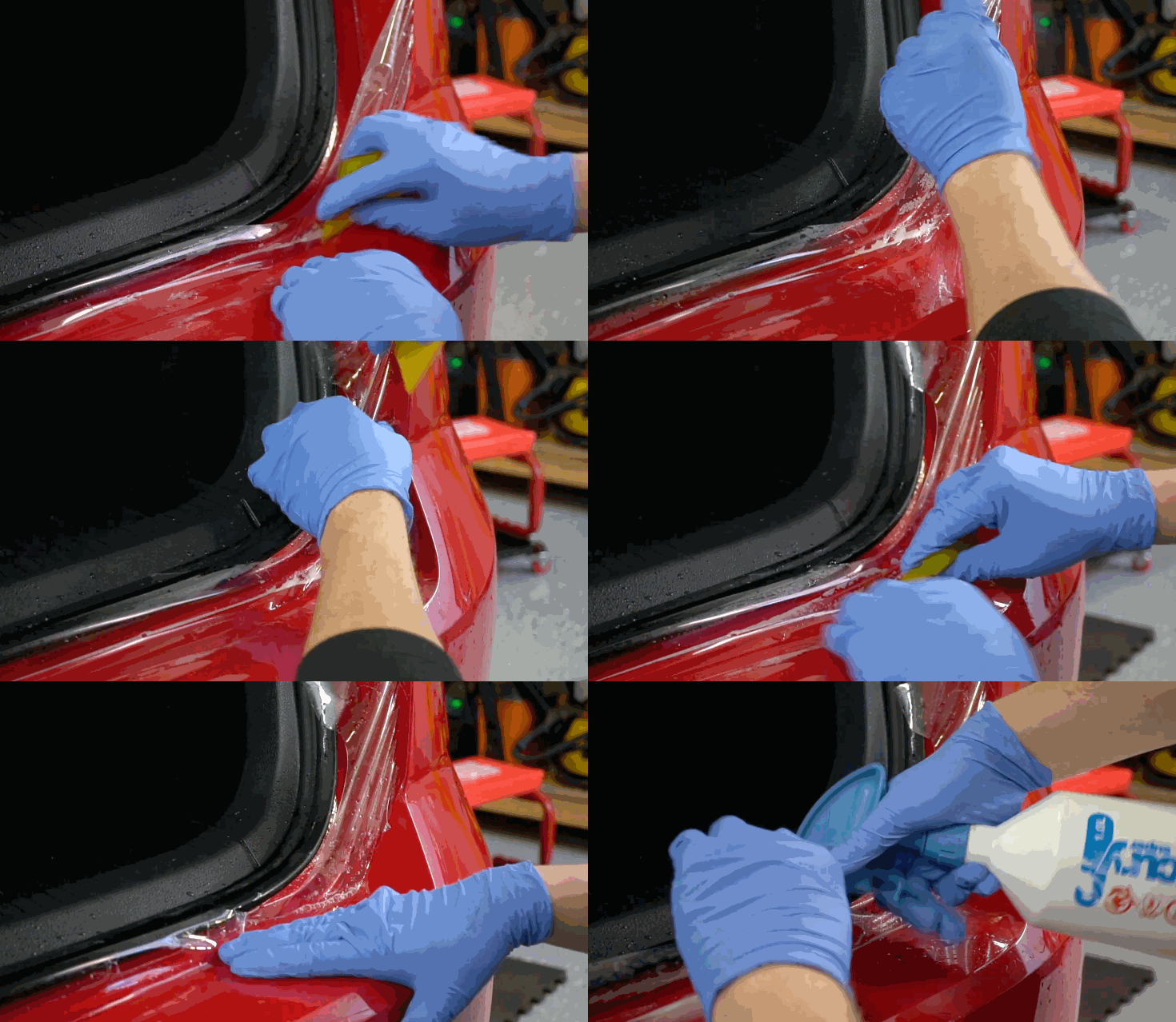
New Jersey’s four distinct seasons mean that PPF maintenance is never static. Each season introduces different stressors, and care priorities naturally shift throughout the year.
From experience, seasonal considerations include:
- Winter: road salt, grit, and chemical residue that cling to film edges
- Spring: pollen and organic fallout that can linger if not removed
- Summer: heat and UV exposure that increase surface stress
- Fall: leaf debris and environmental fallout before winter arrives
These elements affect how Paint Protection Film ages over time. Adjusting care routines seasonally helps the film remain flexible, clear, and effective. Rather than treating maintenance as a one-size-fits-all process, adapting to the environment keeps protection consistent year-round.
Common Mistakes That Shorten the Life of Paint Protection Film
Most premature PPF issues are not caused by the film itself, but by avoidable habits. Identifying these early helps drivers protect their investment without unnecessary concern.
Common mistakes include:
- Using aggressive or unapproved cleaning products
- Allowing contaminants to sit on the surface for extended periods
- Ignoring early signs of edge buildup or surface wear
These habits can gradually reduce the lifespan of Paint Protection Film, but the good news is that most issues are preventable. Informed care goes a long way, and maintenance should be viewed as part of responsible vehicle ownership rather than a corrective task after problems appear.
When to Inspect or Service Your Paint Protection Film
Periodic inspection is an important part of long-term PPF care, especially in a state like New Jersey where conditions change often. Professional evaluations make sense after harsh winters, before seasonal transitions, or anytime something about the film looks or feels different than expected.
Signs that inspection or service may be needed include subtle edge buildup, changes in clarity, or areas that no longer respond as they once did. Addressing these early often prevents larger issues later.
For local drivers looking for guidance, Auto Image is a practical option for inspections and maintenance insight. Periodic evaluation, even when no major issues are visible, helps ensure your PPF installation continues to protect your vehicle effectively through New Jersey’s changing seasons.
Long-Term Value of Maintaining PPF in New Jersey
When Paint Protection Film is maintained properly, the benefits extend far beyond day-to-day appearance. Consistent care helps the film remain clear, flexible, and effective, which directly supports how the vehicle looks and feels over time. For many New Jersey drivers, that translates into greater ownership satisfaction, especially as miles add up and seasonal exposure takes its toll.
While no protection product can guarantee resale outcomes, well-maintained PPF helps preserve the condition of the paint underneath. That preservation often plays a role when vehicles are evaluated, traded, or sold, particularly in a market like New Jersey where buyers are familiar with the effects of road salt, coastal moisture, and year-round driving. From experience, vehicles protected early and cared for consistently tend to age more gracefully than those left exposed.
Viewed through that lens, Paint Protection Film becomes a long-term investment rather than a short-term upgrade. For NJ driving conditions, where environmental stress is constant but varied, maintenance is what allows the film to deliver its full value over time.
Conclusion: Consistent Care Keeps PPF Performing in NJ Weather
From our experience, long-term Paint Protection Film performance is built on two things working together: a professional installation and consistent, informed care. We handle the installation side with precision, but we also make sure our customers understand how to protect that investment over time, especially with New Jersey’s constantly changing weather.
We work with PPF every day, and we use it on our own vehicles. That firsthand experience is why we don’t treat PPF as a one-time service. We see it as part of smart, long-term vehicle ownership. When the film is installed correctly and maintained properly, it continues to protect your paint, absorb daily wear, and preserve your vehicle’s appearance year after year.
If you have questions about maintaining your film, upgrading coverage, or starting fresh with a new PPF installation, our team at Auto Image is here to help. We offer free quotes and consultations, so you can get clear, honest guidance based on your vehicle, your driving habits, and real New Jersey conditions.
Protecting your vehicle should feel straightforward and worthwhile. Reach out to us anytime, we’re always happy to walk you through your options and help you get the most value from your Paint Protection Film.