Winter in New Jersey has a way of exposing weak points in daily routines, especially when it comes to getting on the road. Cold mornings highlight everything that slows you down, from fogged windshields to vehicles that simply are not ready when you are. It is during these moments that the right vehicle features stop feeling optional and start feeling practical.
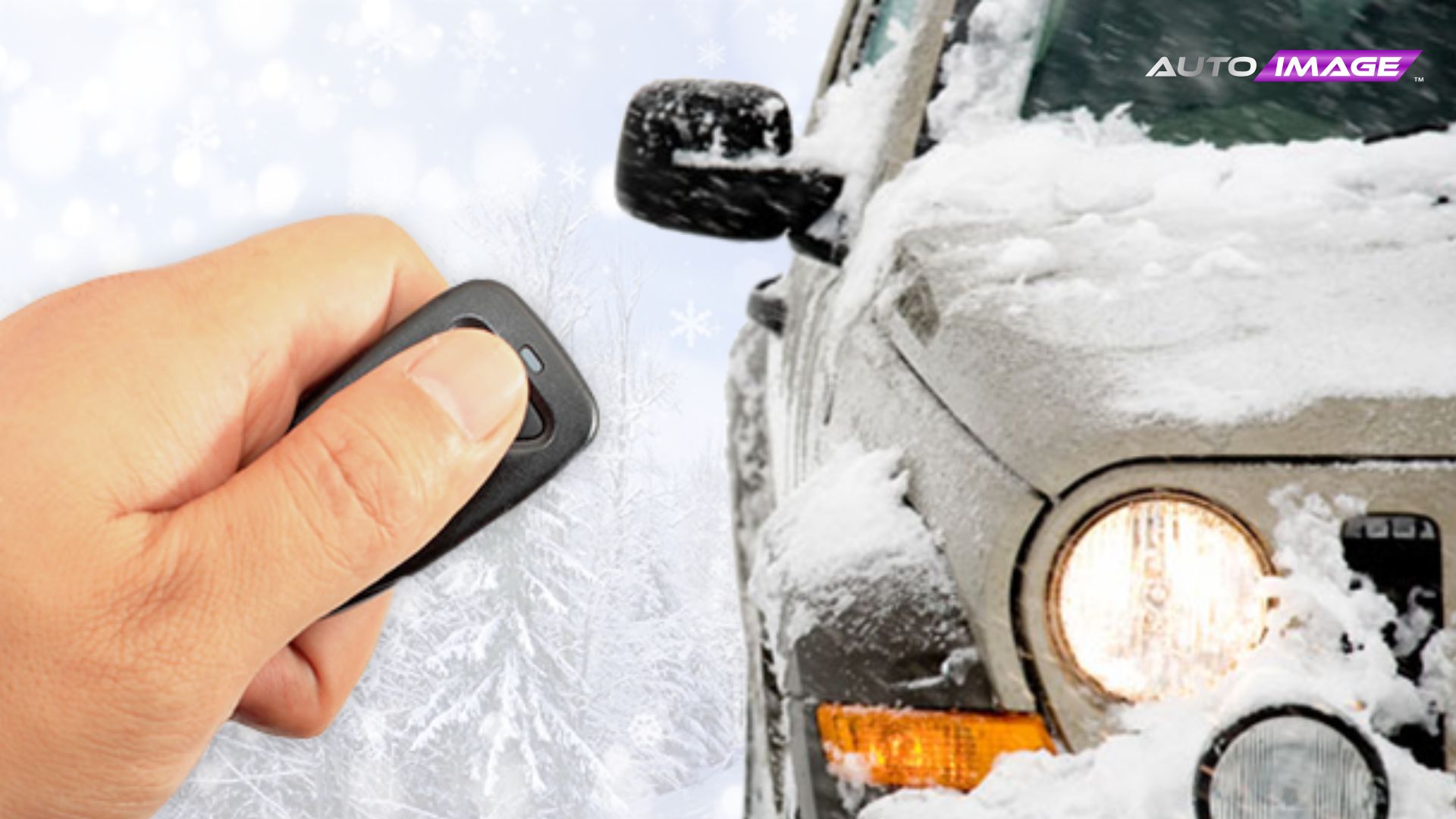
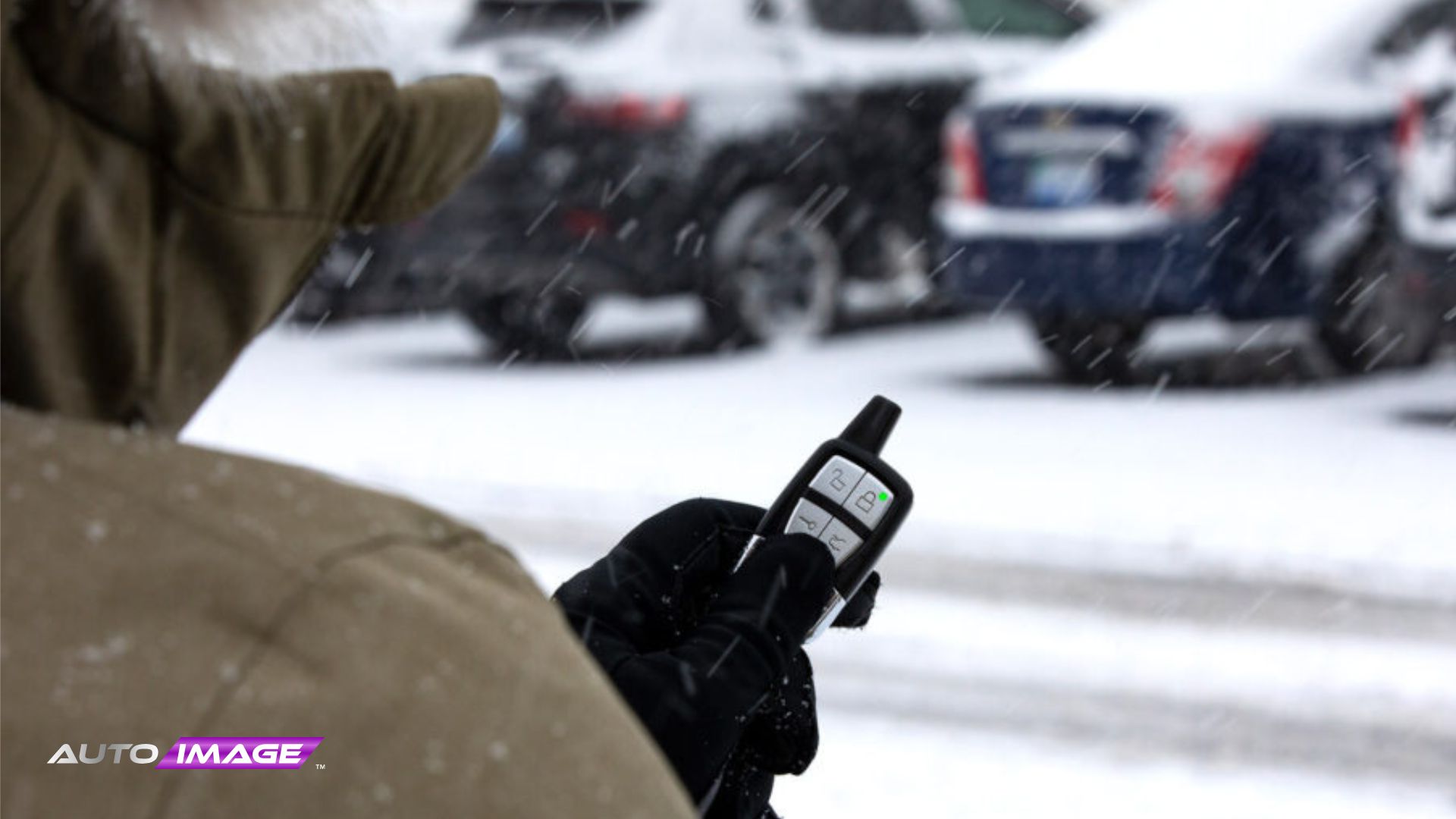
For many NJ drivers, the conversation around winter preparation often happens too late. A cold snap hits, schedules tighten, and suddenly small inconveniences add up. That is why remote start deserves to be evaluated as a functional tool, not a comfort upgrade. When used correctly, it supports smoother mornings, better visibility, and a more prepared vehicle before the drive even begins.
We approach remote starter systems from both sides, installation and everyday use. That dual perspective shapes how we look at features, reliability, and long-term value. The goal of this article is to help New Jersey drivers understand which remote start features actually matter in winter conditions, so choices are based on real needs rather than assumptions.
Why Remote Start Features Matter in New Jersey Winters
Not all remote start systems are built the same, and that difference becomes more noticeable during winter. Some systems focus on basic functionality, while others offer features designed to handle more demanding conditions. In a state like New Jersey, where winter driving environments vary widely, feature selection matters.
New Jersey presents a unique mix of conditions:
- Dense urban areas with heavy signal interference
- Suburban neighborhoods with outdoor parking
- Coastal regions where damp air increases frost and condensation
These environments place different demands on a remote starter system. Choosing the right features helps ensure the system supports everyday winter driving instead of becoming inconsistent or underused. From experience, drivers who select features based on real needs tend to rely on their systems more and feel more satisfied over time.
Reliable Cold-Weather Performance as a Core Feature

One of the most important features of any remote start system is reliability during cold mornings. Winter use is not occasional. It often happens daily, especially during stretches of fluctuating temperatures. A system that works one day and struggles the next quickly becomes frustrating.
Cold weather driving in New Jersey often includes overnight freezes followed by damp conditions. These conditions test system consistency more than extreme cold alone. A reliable remote starter should perform the same way regardless of whether temperatures dip slightly below freezing or drop more sharply overnight.
When evaluating systems, performance consistency matters more than the number of features offered. A system that starts reliably, communicates clearly, and supports winter vehicle readiness delivers real value long after the novelty wears off.
Extended Range and Signal Reliability in NJ Environments
Range is often overlooked until winter makes it unavoidable. In New Jersey, vehicles are commonly parked in driveways, on residential streets, or in lots surrounded by buildings. These environments can weaken signals, especially in colder months when reliability matters most.
Extended range and signal reliability support consistent winter use by:
- Allowing the system to function through walls and building interference
- Reducing failed start attempts caused by signal drop-off
- Supporting use in dense neighborhoods and multi-unit residential areas
Features that strengthen signal communication turn remote start into a dependable winter solution rather than a hit-or-miss convenience. In practical terms, extended range is not about distance for its own sake. It is about ensuring the system works when weather conditions make preparation most important.
Winter Readiness in New Jersey Starts With Expecting the Unexpected
If you drive in New Jersey long enough, you know winter rarely follows a script. One week can feel relatively mild, and the next brings an overnight temperature drop that completely changes how your morning starts. These sudden cold snaps are part of daily life across the state, especially when coastal weather shifts collide with inland temperature swings.
Because winter in New Jersey is inconsistent, preparedness matters just as much here as it does in states known for extreme cold. The difference is that NJ drivers are often caught off guard. Vehicles sit outside overnight, moisture settles in, and the next morning demands more from both the driver and the car. This is where remote start begins to make sense as a practical winter tool rather than a luxury feature.
We use remote starter systems in our own vehicles for this exact reason. From both ownership and installation experience, the value shows up on unpredictable mornings when comfort, visibility, and readiness matter most. This article is meant to help New Jersey drivers make informed choices about which remote start features actually support winter driving, not just add complexity.
Why Remote Start Features Matter in New Jersey Winters
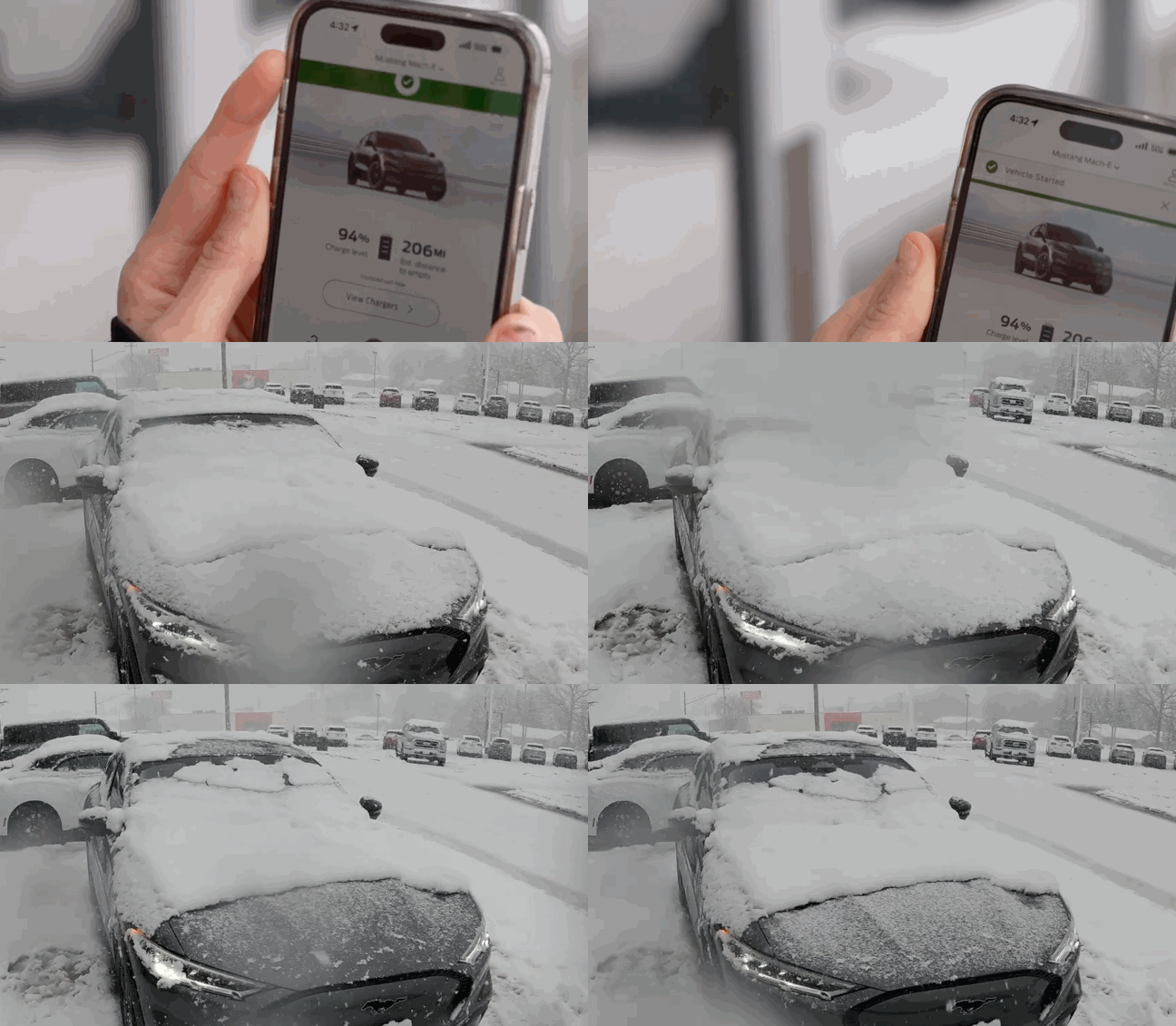
Not all remote start systems are built the same, and that difference becomes far more noticeable during winter. Some systems focus only on basic functionality, while others include features designed to perform reliably in more demanding conditions. In a state like New Jersey, where winter driving environments can change quickly from one area to another, feature selection genuinely matters.
New Jersey presents a unique mix of conditions that directly affect how a remote starter performs:
- Dense urban areas with heavy signal interference
- Suburban neighborhoods where vehicles are often parked outdoors overnight
- Coastal regions where damp air increases frost, condensation, and morning moisture
These environments place different demands on a remote start system, which is why choosing the right features is so important. This is something we see regularly at Auto Image, where system recommendations are based on how and where a vehicle is actually driven, not on a one-size-fits-all approach.
From experience, drivers who select features aligned with real New Jersey winter conditions tend to rely on their systems more consistently and feel more satisfied over time. The right setup supports everyday winter driving instead of becoming inconsistent or underused when conditions are less than ideal.
Reliable Cold-Weather Performance as a Core Feature
One of the most important features of any remote start system is reliability during cold mornings. Winter use is not occasional. It often happens daily, especially during stretches of fluctuating temperatures. A system that works one day and struggles the next quickly becomes frustrating.
Cold weather driving in New Jersey often includes overnight freezes followed by damp conditions. These conditions test system consistency more than extreme cold alone. A reliable remote starter should perform the same way regardless of whether temperatures dip slightly below freezing or drop more sharply overnight.
When evaluating systems, performance consistency matters more than the number of features offered. A system that starts reliably, communicates clearly, and supports winter vehicle readiness delivers real value long after the novelty wears off.
Extended Range and Signal Reliability in NJ Environments
Range is often overlooked until winter makes it unavoidable. In New Jersey, vehicles are commonly parked in driveways, on residential streets, or in lots surrounded by buildings. These environments can weaken signals, especially in colder months when reliability matters most.
Extended range and signal reliability support consistent winter use by:
- Allowing the system to function through walls and building interference
- Reducing failed start attempts caused by signal drop-off
- Supporting use in dense neighborhoods and multi-unit residential areas
Features that strengthen signal communication turn remote start into a dependable winter solution rather than a hit-or-miss convenience. In practical terms, extended range is not about distance for its own sake. It is about ensuring the system works when weather conditions make preparation most important.
Choosing Features That Match How You Drive in New Jersey
The most effective remote start setup is the one that matches how you actually drive in New Jersey. Winter driving habits vary across the state, and taking a few moments to evaluate daily routines makes a noticeable difference in long-term satisfaction.
When choosing features, it helps to consider practical factors such as:
- Where the vehicle is typically parked overnight, whether on the street, in a driveway, or in an open lot
- Commute length and frequency of short trips during colder months
- Exposure to winter conditions like overnight frost, damp air, and sudden temperature drops
Not every remote starter needs every available feature. In our experience, drivers are happiest when they select features that solve real problems instead of choosing options they rarely use. Informed selection leads to better long-term value, smoother daily use, and a system that feels purpose-built rather than excessive.
Conclusion: The Right Features Make Winter Driving Easier
When it comes to winter readiness, feature selection matters more than simply choosing any remote starter. A well-matched remote start system supports comfort, visibility, and consistency during New Jersey’s unpredictable winter conditions, without adding unnecessary complexity.
Speaking from real ownership and installation experience, remote start works best when it is treated as a preparation tool, not a luxury upgrade. The right features quietly support daily driving routines, especially on mornings when the weather changes overnight.
For drivers who want guidance based on experience and local knowledge, Auto Image is a trusted New Jersey resource. Our approach focuses on helping drivers choose features that align with their vehicles and habits, leading to solutions that perform reliably throughout the winter season.
Thoughtful decisions today make winter driving easier tomorrow.