As soon as temperatures start dropping in New Jersey, fuel efficiency becomes part of the conversation. Drivers notice higher fuel use, longer warm-up times, and vehicles that feel less responsive during the first few minutes of driving. These changes naturally raise questions, especially during colder months when routines already feel more demanding.
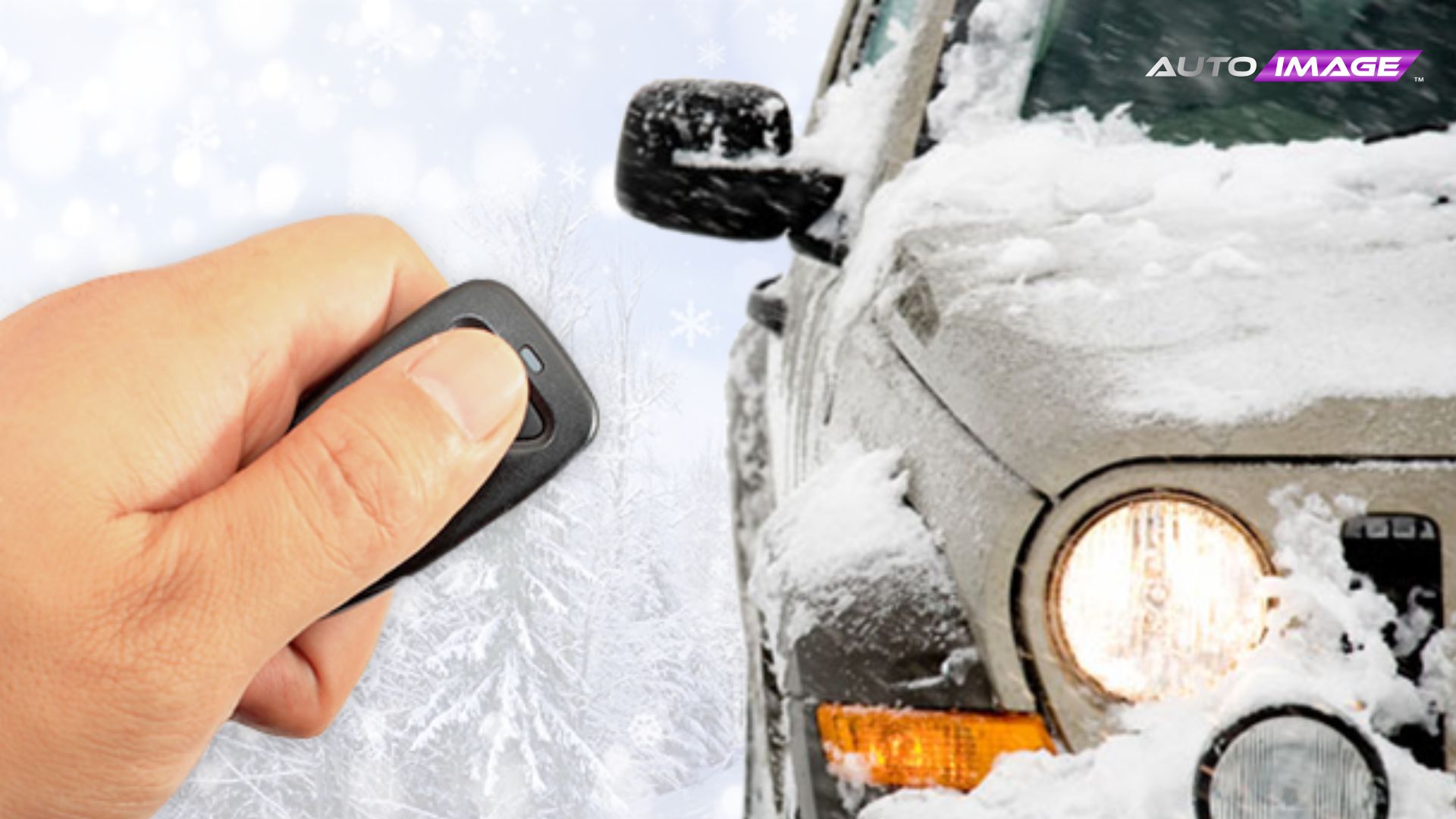
One of the most common questions we hear is whether idling in winter wastes fuel or actually helps the vehicle operate better. Cold NJ mornings often make drivers second-guess their habits, particularly when it comes to using remote start. Some wonder if starting the vehicle early hurts fuel efficiency, while others assume it must help. The reality sits somewhere in between.
From our perspective as installers and daily users, remote starter systems are not designed to be fuel-saving tools. They are preparation tools. We rely on them in our own vehicles because they make cold mornings more manageable, not because they promise lower fuel consumption. This article is meant to be an honest, practical guide for New Jersey drivers who want clear answers based on experience, not marketing claims.
Why Cold Weather Affects Fuel Use in New Jersey
Cold temperatures change how vehicles behave, especially during the first minutes of operation. When it is cold, engines need more fuel initially to reach a stable operating state. Fluids are thicker, and systems take longer to respond compared to warmer conditions.
New Jersey’s winter climate adds another layer of complexity. Overnight temperature drops are common, even when daytime conditions feel mild. A morning that starts just below freezing can still impact fuel use, particularly on short drives.
Several everyday factors contribute to this pattern across the state:
- Short trips where the engine never fully warms up
- Stop-and-go traffic common in suburban and urban NJ areas
- Early morning starts following overnight temperature drops
These are not extreme weather scenarios. They are routine driving conditions for New Jersey residents. Cold starts become part of daily life, which is why fuel efficiency questions come up so often during winter.
The Big Question: Does Remote Start Improve Fuel Efficiency?
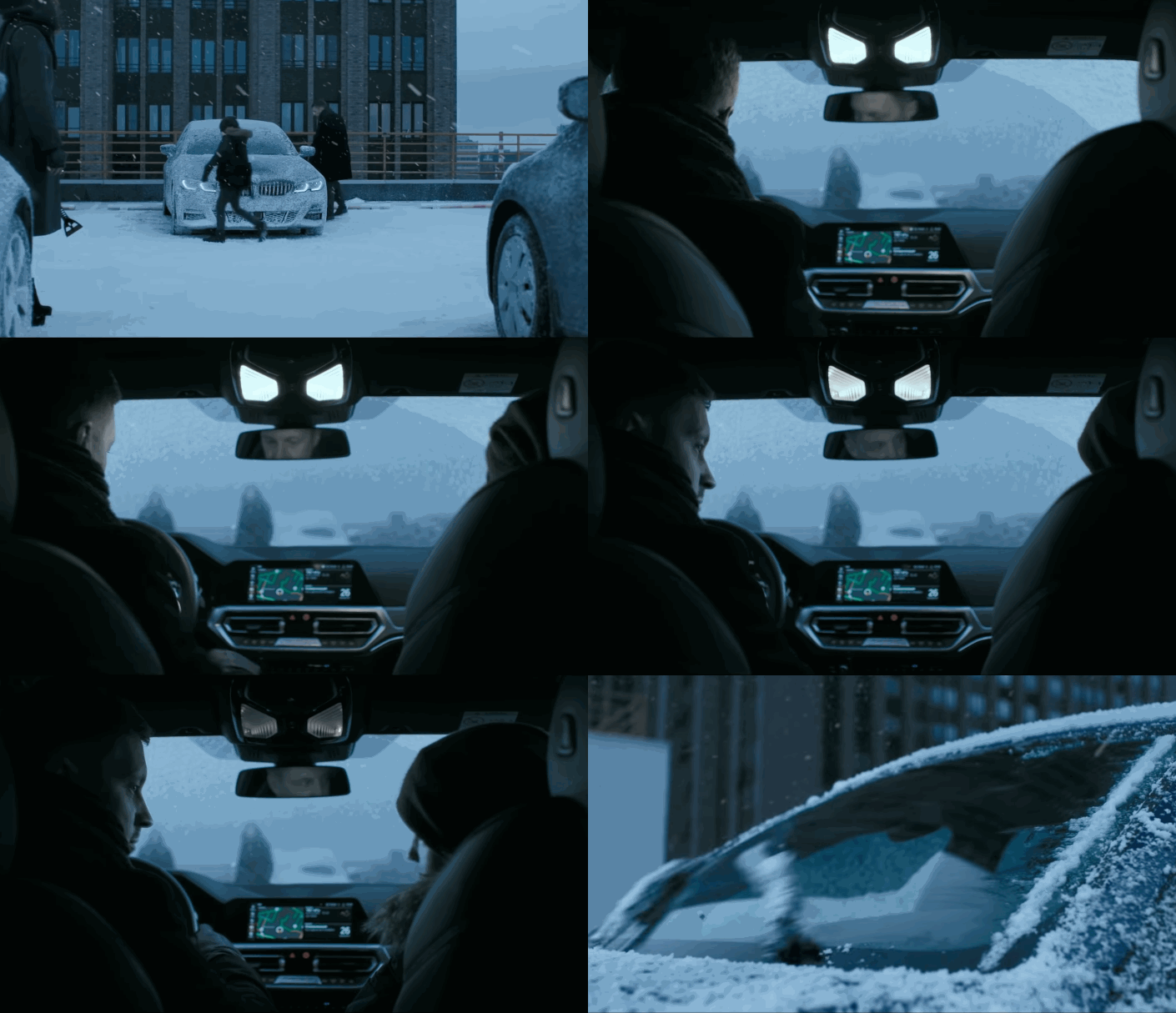
The honest answer is that remote start does not exist to improve fuel efficiency. Addressing this directly is important, because expectations shape satisfaction. A remote starter is not a fuel-saving device, and it should not be approached as one.
What it does offer is a balance. Starting the vehicle before driving uses some fuel, but it also prepares the vehicle for operation. Fuel efficiency in winter is influenced far more by driving habits, trip length, and traffic conditions than by whether the vehicle was started remotely.
Rather than making promises, it is more accurate to view remote start through the lens of trade-offs. You are exchanging a small amount of fuel use for comfort, visibility, and readiness. When used thoughtfully, that trade often makes sense for New Jersey drivers dealing with cold mornings and tight schedules.
How Remote Start Interacts With Cold Starts and Engine Warm-Up
A remote start system allows the vehicle to begin operating before the driver enters, which changes how cold starts are handled. Instead of starting the vehicle and immediately driving away, the system gives the engine time to begin warming while the vehicle remains stationary.
At a high level, this interaction supports:
- Gradual warm-up during cold weather driving
- Cabin preconditioning without immediate load from driving
- Better overall winter readiness before the vehicle moves
It is important to avoid mechanical guarantees here. Remote starter systems do not change how engines are built or how fuel systems function. What they do is create a smoother transition from cold start to normal driving conditions.
From professional experience, this approach aligns well with responsible winter driving habits. It reduces the feeling of rushing the vehicle when temperatures are low, without adding unnecessary complexity. The system works quietly in the background, supporting preparedness rather than claiming performance benefits.
Fuel Use vs. Vehicle Readiness: Understanding the Balance
When talking about fuel efficiency in winter, it helps to separate perception from reality. A short period of idling uses fuel, but so does driving a cold vehicle before it has had time to stabilize. The balance sits between minimizing unnecessary idling and avoiding rushed cold starts that feel uncomfortable or inefficient.
In practice, fuel use is influenced far more by driver habits than by the presence of a remote start system. Factors such as trip length, acceleration patterns, traffic conditions, and how often the vehicle is started all play a bigger role. A remote starter does not override those habits. It simply changes how the first few minutes of operation are handled.
This is why we position remote start as a preparation tool rather than an efficiency shortcut. In New Jersey, many drives are short and seasonal. Vehicles often start cold, travel a few miles, and shut down again. Within that pattern, readiness becomes just as important as fuel numbers, especially when mornings are cold and schedules are tight.
Why Many New Jersey Drivers Still Choose Remote Starters
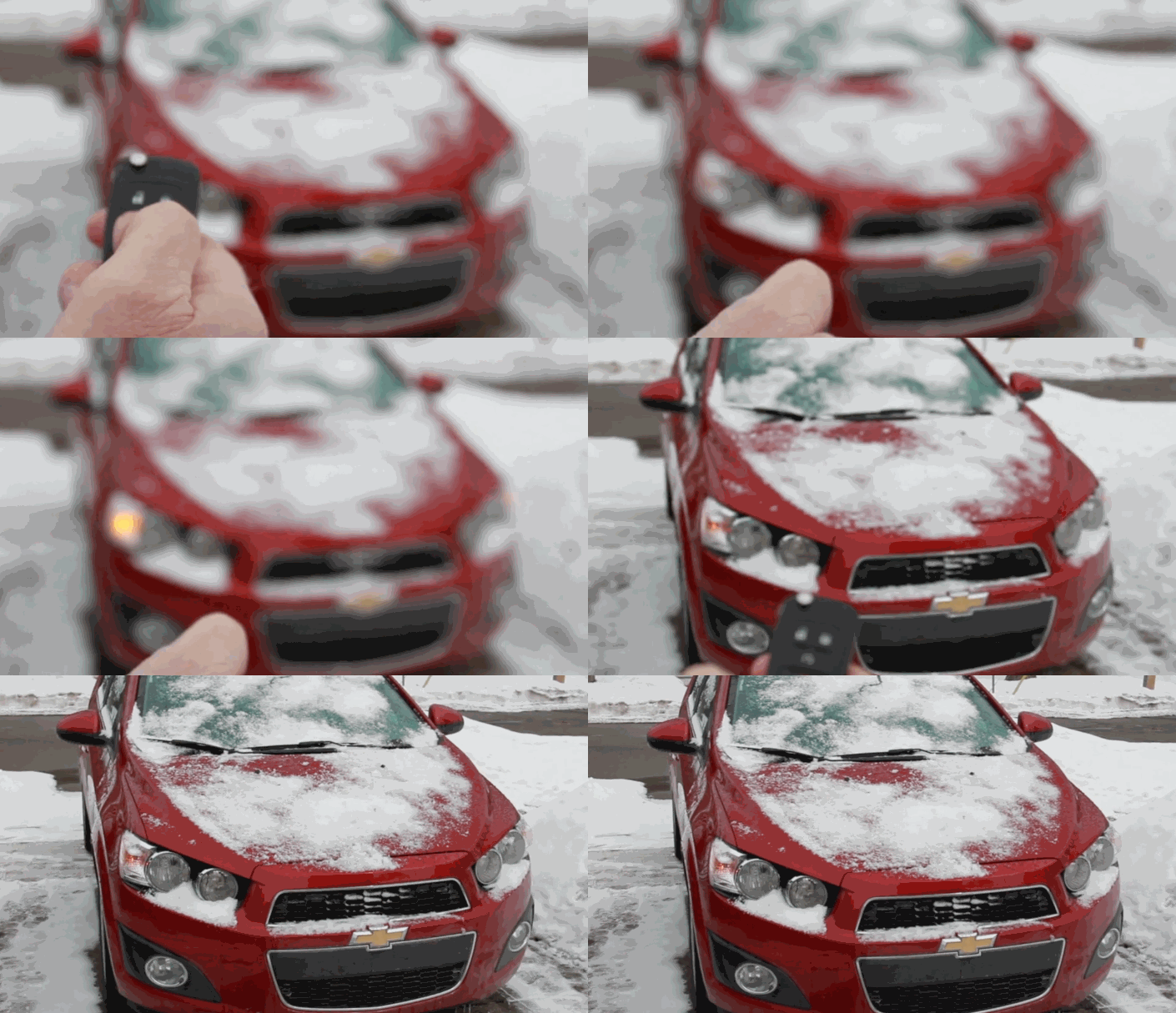
Even when fuel efficiency is not the primary benefit, many New Jersey drivers continue to choose remote start because of what it adds to daily use. The value extends beyond fuel considerations and focuses more on comfort, visibility, and consistency during colder months.
From an instructional standpoint, the system supports:
- A more comfortable start to the drive
- Improved visibility before moving the vehicle
- A smoother transition into daily routines
The key point here is consistency. A remote starter is most valuable when it becomes part of everyday use rather than something activated only during extreme cold. When used regularly, it reduces friction in daily driving and supports better preparedness throughout the winter season
Compatibility and System Design for Modern Vehicles in New Jersey
Modern remote start technology is designed to integrate with the vehicles commonly driven across New Jersey. Today’s systems work with a wide range of sedans, SUVs, crossovers, and light-duty trucks, adapting to different electronic platforms.
There is also an important distinction between system types:
- Basic systems that operate through factory-style key fobs
- Smart remote start system options that add smartphone control and extended range
Regardless of the system type, performance depends heavily on integration. Professional remote start installation ensures the system communicates correctly with the vehicle’s electronics, security protocols, and control modules. Without proper integration, even advanced systems can feel inconsistent or unreliable.
Choosing a Remote Start Setup That Makes Sense for NJ Driving
Choosing the right remote start setup begins with understanding how you actually drive across New Jersey. The state’s mix of urban congestion, suburban neighborhoods, and short-to-medium daily routes means that driving habits can vary widely, even within the same county. A system that works well for one driver may feel unnecessary or underutilized for another.
It is important to recognize that not all remote starter systems fit every lifestyle or vehicle. The best setup depends on practical factors that shape daily use, including:
- Parking situations, whether the vehicle is left on the street, in a driveway, or in an open lot
- Typical trip length, especially short winter drives where vehicles start cold frequently
- Winter exposure, including overnight moisture, frost, and sudden temperature drops
When these details are considered upfront, the system feels intentional rather than excessive. From our experience, informed selection leads to better long-term satisfaction. Drivers who match the system to their real routines tend to use it consistently and appreciate its value far more than those who choose based on assumptions alone.
Why Professional Installation Matters for Performance and Reliability
A remote start system interacts directly with complex vehicle electronics. That includes ignition systems, safety features, and factory security. Because of this, installation should always be handled by trained professionals who understand how these systems work together.
At a high level, professional installation supports:
- Reliable system performance across temperature changes
- Preservation of factory safety and security functions
- Long-term consistency without unexpected issues
Poor installation does not always fail immediately, but it can introduce subtle problems over time. That is why experience matters. Auto Image is positioned as a trusted New Jersey resource because of their technical knowledge and consistent approach. The focus is not on pushing systems, but on installing them correctly so they perform as intended throughout the winter season.
Conclusion: The Truth About Remote Start and Fuel Efficiency
The relationship between remote start and fuel efficiency is often misunderstood. A remote starter does not exist to save fuel, and it should not be evaluated as a fuel-reduction tool. Its role is preparation. In cold New Jersey weather, a small amount of fuel used before driving supports comfort, visibility, and readiness when conditions change overnight.
From real-world use and installation experience, the value of remote start shows up in daily consistency rather than in fuel metrics. It helps drivers start their day without rushing cold vehicles, compromising visibility, or adding stress to already tight schedules. That practicality is what keeps it relevant winter after winter.
For New Jersey drivers who want guidance rooted in experience rather than sales pressure, Auto Image is a knowledgeable local option. Our approach focuses on helping drivers choose and install systems that fit their vehicles and routines, not on making broad promises.
The truth is simple. Remote start is about being prepared, not chasing fuel savings. When used thoughtfully, it supports better winter driving decisions and a smoother start to every cold morning.