Across New Jersey, we’ve seen a noticeable increase in Tesla vehicles on the road. Whether you’re driving through Brick Township, navigating East Brunswick, or spending time on high-traffic routes like the Garden State Parkway or Route 9, Teslas have become part of the daily landscape. As more drivers make the switch to electric, many quickly realize that owning a Tesla comes with a different kind of driving experience, especially when it comes to how the vehicle handles heat and sunlight.
One of the first things Tesla owners notice is the amount of glass. The panoramic roofs and larger window panels look incredible, but they also allow more sunlight into the cabin than most traditional vehicles. In New Jersey, where summers can be humid and intense, that extra exposure translates into higher interior temperatures, stronger glare, and more UV reaching your interior surfaces.
That’s where window tint and professional window film installation come into play. From our experience at Auto Image, this isn’t about adding a cosmetic upgrade, it’s about improving daily comfort and protecting your vehicle long term. The right window tint can make a significant difference in how your Tesla feels on the road, especially during those long drives or when your car is parked under direct sun.
Tesla Glass Design and Why It Changes Everything
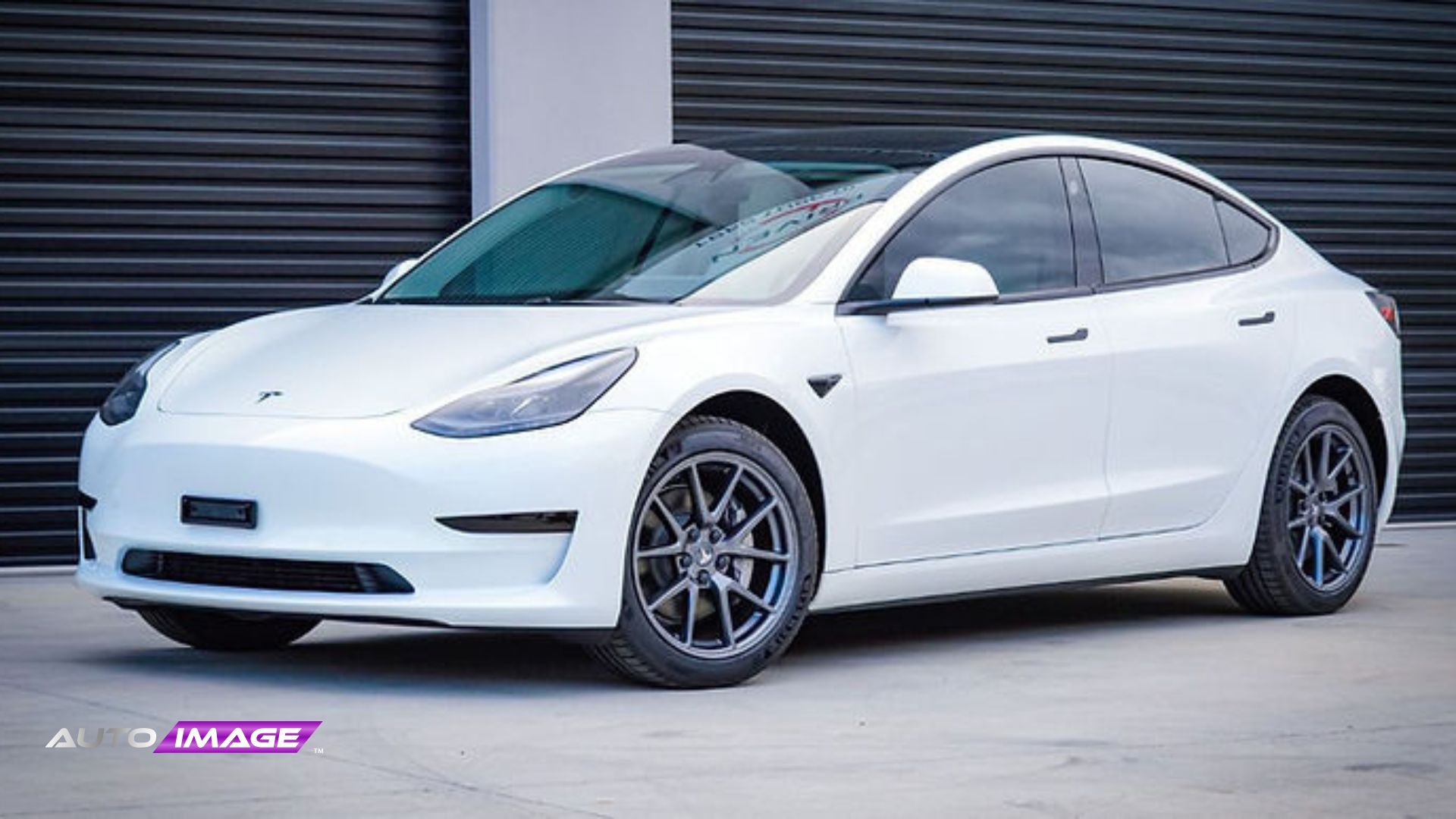
Tesla vehicles are designed differently, and that difference is immediately noticeable when you step inside. The expansive glass roof, larger side windows, and minimal framing create a more open, modern cabin. It’s one of the features drivers love most, but it also changes how the vehicle interacts with sunlight and heat.
Compared to traditional cars, Tesla cabins are more exposed to external conditions. The increased glass surface allows more solar energy to enter the vehicle, which can impact both comfort and interior materials over time. This is especially relevant in a state like New Jersey, where drivers deal with a mix of strong summer sun, reflective glare off highways, and long commutes.
When we look at Tesla glass from a performance standpoint, a few key factors stand out:
- Larger glass areas increase heat buildup inside the cabin during warmer months
- More sunlight exposure leads to higher levels of UV penetration
- Wide glass surfaces amplify glare, especially during peak driving hours
- Standard factory glass does not provide the same level of protection as high-performance window tint
- Not all window tint is designed to handle Tesla’s unique glass structure
Because of this, choosing the right window tint is not just about appearance. Tesla vehicles require high-performance films that can handle larger surfaces without compromising clarity or durability. A proper window film installation ensures that the film works consistently across every panel, maintaining both performance and aesthetics.
Managing Heat and Sun Exposure in New Jersey
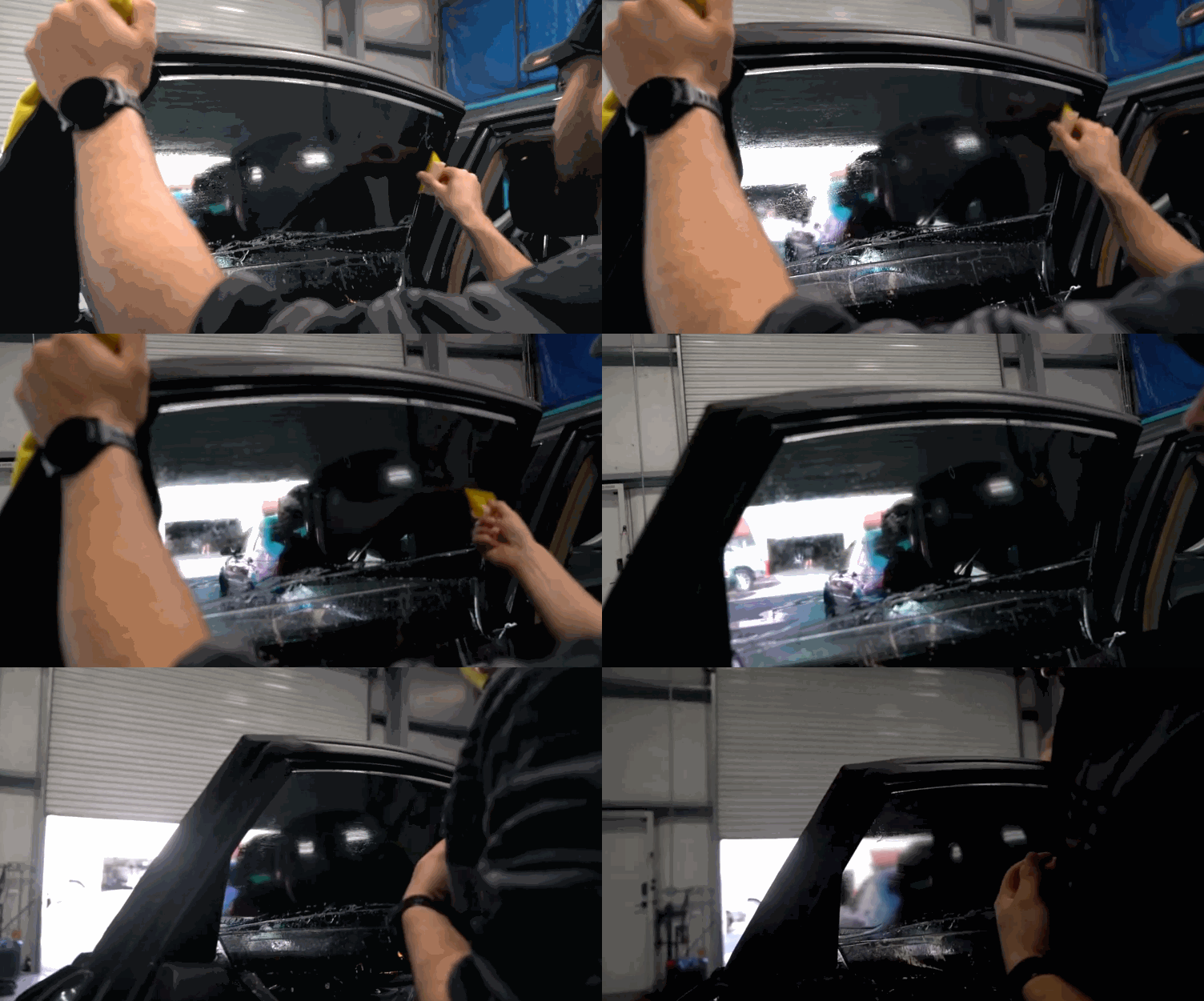
Driving in New Jersey means dealing with a wide range of conditions, but summers are where Tesla owners tend to feel the biggest impact. Between humidity, coastal sun exposure, and heavy traffic, it doesn’t take long for a parked vehicle to heat up. Areas closer to the shore often experience even stronger sun reflection, while inland commutes can mean long periods sitting in traffic under direct sunlight.
We see this daily with drivers coming from routes like the Garden State Parkway or Route 9, where stop-and-go traffic increases cabin heat, or from open parking areas where vehicles are left exposed for hours. Tesla interiors, with their large glass surfaces, tend to absorb and retain that heat more quickly than most drivers expect.
This is where a high-quality window tint becomes a practical solution rather than an optional upgrade. A properly installed heat rejection window film helps regulate interior temperatures and makes a noticeable difference in overall comfort.
When evaluating window tint for heat management, these are the factors we typically focus on:
- Heat rejection window film reduces the amount of solar energy entering the cabin
- UV protection film blocks harmful rays that contribute to interior heat buildup
- Car window tint helps maintain a more consistent cabin temperature
- High-performance films improve comfort during long commutes
- Professional window film installation ensures even coverage and optimal performance
The goal is not to eliminate heat entirely, but to manage it in a way that makes daily driving more comfortable and predictable, especially during peak summer months.
Protecting Tesla Interiors from UV Damage
Beyond comfort, one of the biggest concerns we see with Tesla owners is long-term interior preservation. The materials inside a Tesla are designed to look clean and modern, but like any vehicle, they are still vulnerable to prolonged UV exposure.
Over time, direct sunlight can affect dashboards, screens, trim, and upholstery. While the changes may not be immediate, continuous exposure can lead to fading, discoloration, and material wear. In a place like New Jersey, where vehicles are often parked outdoors or driven during peak daylight hours, this becomes a real consideration.
From our perspective, window tint is less about short-term appearance and more about protecting the vehicle over time. A high-quality UV blocking window film helps reduce the amount of radiation entering the cabin, which plays a role in maintaining the condition of interior surfaces.
This is why many Tesla owners think about interior protection in terms of long-term value. Keeping materials in better condition helps preserve the overall look of the vehicle and can also support resale value down the line. It’s a preventative approach that aligns with how most drivers want to care for their vehicle, especially when they’ve invested in a premium car.
Glare Reduction for Daily Driving in New Jersey
Glare is something most drivers don’t think about until it starts affecting their daily routine. In New Jersey, where commutes often involve highways, urban streets, and reflective surfaces, glare can become a consistent distraction, especially during early morning and late afternoon drives.
Routes like the Garden State Parkway, Route 9, and other busy corridors can amplify glare due to traffic density and changing light angles. Sunlight reflecting off other vehicles, road surfaces, or even nearby buildings can make it harder to maintain clear visibility, particularly during longer drives.
A properly selected window tint can help reduce that visual strain by filtering incoming light and creating a more balanced environment inside the vehicle. The goal is not to darken visibility, but to improve clarity and comfort behind the wheel.
From an everyday driving perspective, glare reduction offers a few practical advantages:
- Reduces eye strain during long commutes and peak sunlight hours
- Improves visibility by softening harsh light entering the cabin
- Helps maintain focus in high-traffic conditions
- Creates a more comfortable driving experience overall
- Supports a more controlled and consistent interior environment
While window tint is often associated with style, the functional benefits like glare reduction are what many Tesla owners end up appreciating the most over time. It’s one of those upgrades that becomes more noticeable the more you drive.
Privacy Without Compromising Tesla Aesthetics
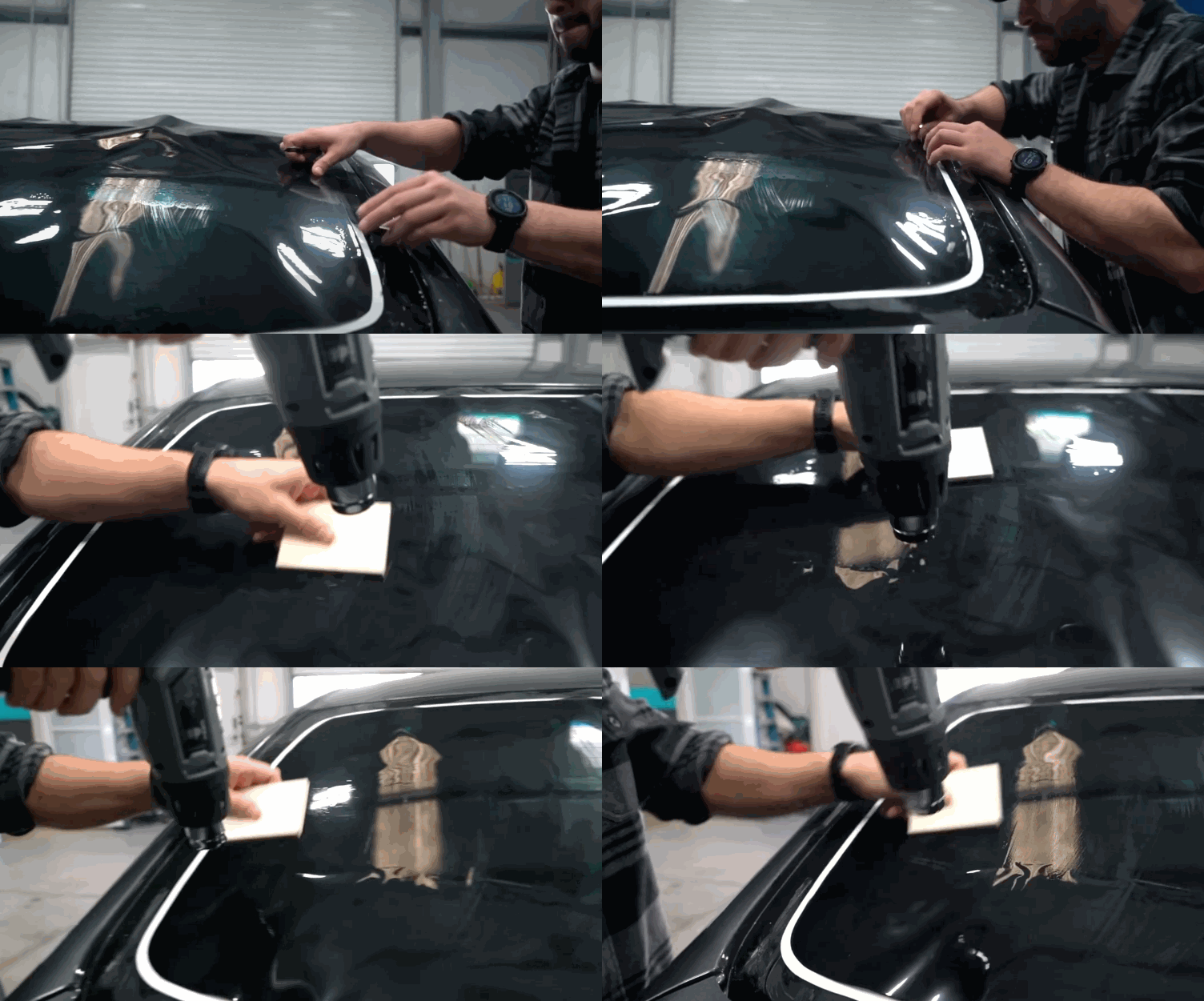
One of the things Tesla owners consistently care about is keeping the vehicle’s clean, modern design intact. The minimalistic lines, large glass panels, and seamless exterior are part of what makes these cars stand out on New Jersey roads. Any upgrade needs to complement that look, not compete with it, and that’s exactly where the right window tint makes a difference.
When done correctly, window tint enhances the overall appearance without overpowering it. Instead of dramatically changing how the vehicle looks, it adds a subtle, refined finish that aligns with Tesla’s design philosophy. At the same time, it introduces a level of privacy that many drivers start to appreciate, especially in high-traffic areas or when the vehicle is parked in public spaces.
From our experience, Tesla owners are usually looking for a balance between appearance and functionality. A high-quality film can deliver both without compromise:
- Ceramic window tint provides a clean, non-reflective finish that matches Tesla’s aesthetic
- Premium window film maintains optical clarity without darkening visibility from inside
- Window tint adds privacy without drawing excessive attention
- High-performance films avoid the overly dark or mirrored look many drivers want to avoid
- Proper window film installation ensures uniform appearance across all glass panels
The goal is to maintain the original design language of the vehicle while improving comfort and privacy in a way that feels natural.
Why Tesla Drivers Choose Professional Window Film Installation
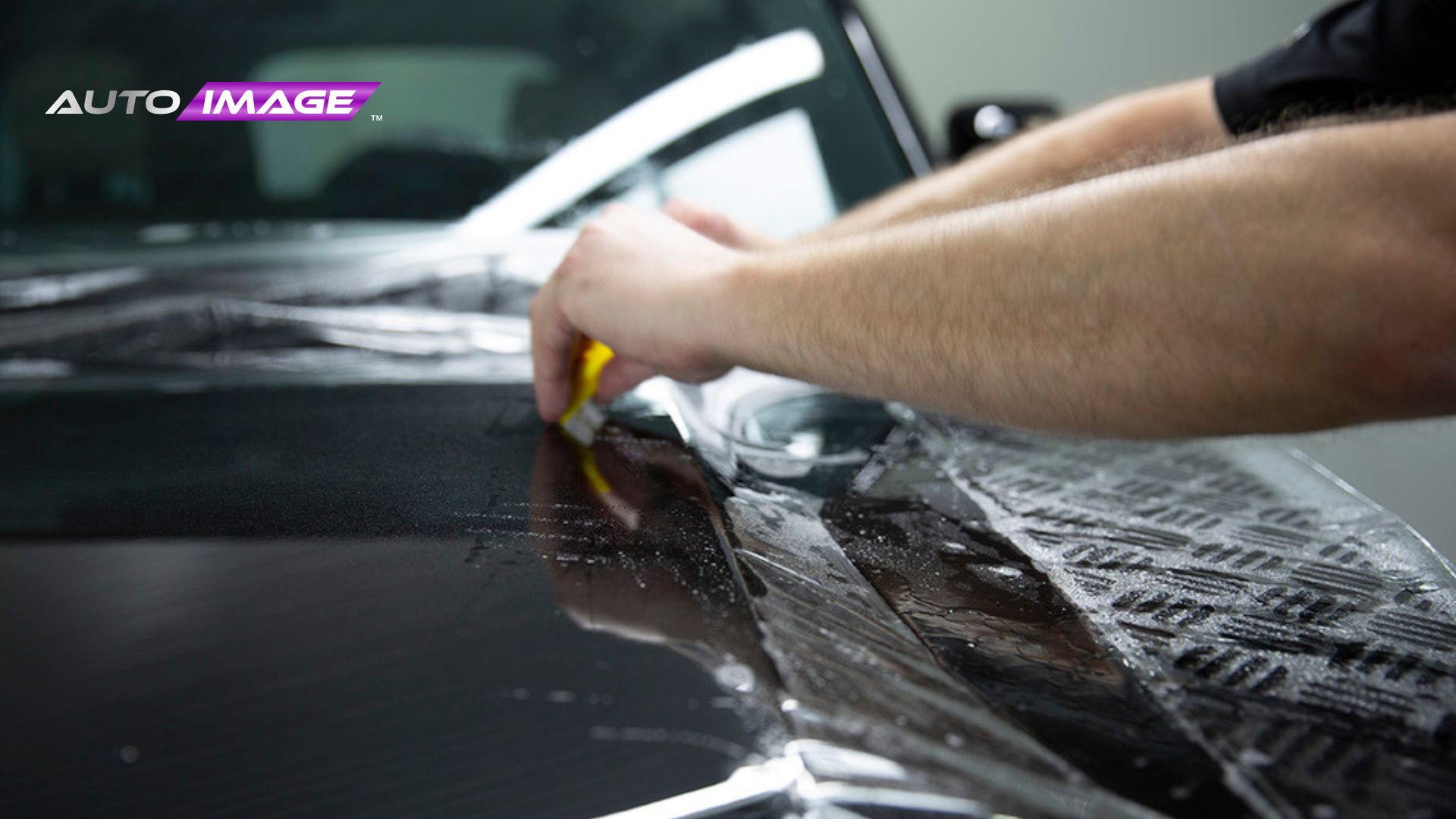
Tesla vehicles are not like traditional cars when it comes to glass. The size, shape, and placement of the panels require a level of precision that goes beyond basic installation. That’s why window film installation on a Tesla should always be approached as a technical process rather than a simple add-on.
Large glass roofs and frameless windows demand exact measurements and careful handling. Any inconsistency during installation can become noticeable quickly, whether it’s uneven edges, trapped particles, or slight imperfections that stand out against Tesla’s clean design. More importantly, improper installation can affect how the film performs over time.
When window film installation isn’t done correctly, issues tend to show up in ways that impact both appearance and functionality:
- Edge gaps can expose areas of glass, reducing protection and visual consistency
- Bubbling or contamination can develop if surfaces are not properly prepared
- Improper application can interfere with sensors or electronic components
- Low-quality installation can shorten the lifespan of the window tint
- Inconsistent film placement can affect heat rejection and clarity
Because of this, we always frame window film installation as a precision-based service. It requires the right environment, the right materials, and experience working specifically with Tesla glass. It’s not something that should be rushed or treated as a DIY project, especially if long-term performance is the goal.
How We Approach Tesla Window Film Installation at Auto Image
When a Tesla comes into our shop, the process always starts with a conversation. At Auto Image, we take a consultation-first approach because no two drivers use their vehicle the same way. Some are commuting daily through New Jersey traffic, others are parking outdoors for long periods, and those factors directly influence the type of window tint that makes the most sense.
We evaluate the vehicle itself, but just as importantly, we evaluate how it’s being used. From there, we guide the selection of window tint based on performance goals like heat rejection, UV protection, and clarity. Tesla glass requires consistency across all panels, so film selection is not just about shade, it’s about how the film performs as a system.
Our installation process is built around precision and control. Clean surfaces, controlled conditions, and attention to detail are critical when working with large glass areas. Having experience with Tesla vehicles allows us to anticipate common challenges and address them before they become issues.
Working with drivers across New Jersey also gives us a strong understanding of local conditions. Whether it’s summer heat, coastal exposure, or long daily commutes, we tailor each window film installation to match how the vehicle is actually used. That approach is what allows us to deliver consistent results that hold up over time.
Choosing the Right Window Tint for Your Tesla
Not all window tint is created equal, and that becomes especially clear when working with Tesla vehicles. With larger glass surfaces and higher exposure to sunlight, the type of film you choose has a direct impact on comfort, clarity, and long-term performance.
There are several options available, but understanding the differences helps narrow down what makes sense for your specific needs. From our perspective, it’s less about picking the darkest shade and more about choosing the right performance characteristics for your driving habits.
When evaluating window tint, these are the factors we typically focus on:
- Ceramic window tint offers higher heat rejection without reducing visibility
- Standard dyed films provide basic shading but limited long-term performance
- Car window tint with UV protection helps preserve interior materials
- Film clarity ensures visibility remains sharp during day and night driving
- Durability affects how well the window tint holds up over time
The right choice ultimately depends on how you use your Tesla. A driver who spends hours on the road each day will prioritize comfort and glare reduction, while someone who parks outdoors regularly may focus more on heat and UV protection. Matching the film to those conditions is what makes window tint truly effective.
Conclusion: Upgrade Your Tesla with the Right Window Film in New Jersey
As Tesla ownership continues to grow across New Jersey, more drivers are realizing that window tint is not just a visual upgrade, it’s a functional one. Between heat rejection, UV protection, glare reduction, and added privacy, the right window film installation can significantly improve how your vehicle feels and performs on a daily basis.
What matters most is how that film is installed. Tesla glass requires precision, and long-term results depend heavily on proper preparation, film selection, and installation quality. Cutting corners in this process usually leads to issues down the road, while a professional approach ensures consistent performance over time.
At Auto Image, we’ve worked with Tesla owners throughout New Jersey who are looking for that balance between performance and aesthetics. Our goal is to provide window tint solutions that align with how you actually use your vehicle, while maintaining the clean look Tesla drivers expect.
If you’re considering window tint for your Tesla, we invite you to reach out to Auto Image. We’ll walk you through your options and help you choose a solution that makes sense for your driving needs, your environment, and your long-term goals.