There’s a moment every New Jersey driver knows too well, opening your car door after it’s been sitting outside and getting hit with a wave of heat that feels way hotter than the actual temperature. It doesn’t matter if you’re parked outside a coffee shop in Jersey City or left your car near the beach for a couple of hours, the interior heat builds up fast and aggressively.
In this region, it’s not just about high temperatures, it’s how the sun and humidity work together. That heavy summer air, combined with direct sunlight hitting your windows for hours, creates the perfect conditions for heat to get trapped inside your vehicle. Even short stops can turn into uncomfortable drives once you get back on the road.
That’s why more drivers across the state are looking into window tint as a practical way to manage that heat. It’s not about changing how you drive or where you park, it’s about making your car feel more comfortable and controlled, even during the peak of New Jersey summer driving.
How Heat Builds Up Inside Your Vehicle
When sunlight hits your car, it doesn’t just bounce off the glass and disappear. Untreated windows allow a large portion of that solar energy to pass straight through into the cabin. Once inside, that energy gets absorbed by your seats, dashboard, and other surfaces, and that’s where the real heat buildup begins.
The process is similar to what happens inside a greenhouse. Sunlight enters through the glass, converts into heat, and then gets trapped because it can’t easily escape back out. That’s why stepping into a parked car in the summer feels drastically hotter than the air outside.
- Sunlight passes through untreated glass and brings heat into the cabin
- UV rays contribute to both temperature increase and interior damage
- Materials like leather and plastic absorb heat and retain it for longer periods
- Limited airflow inside a parked vehicle traps that heat, increasing overall temperature
As that heat builds, your interior surfaces can become extremely hot to the touch, and your AC system has to work harder just to bring things back to a comfortable level. From a vehicle interior protection standpoint, this constant exposure isn’t something you want to ignore.
How Much Cooler Can Window Tint Actually Make Your Car?
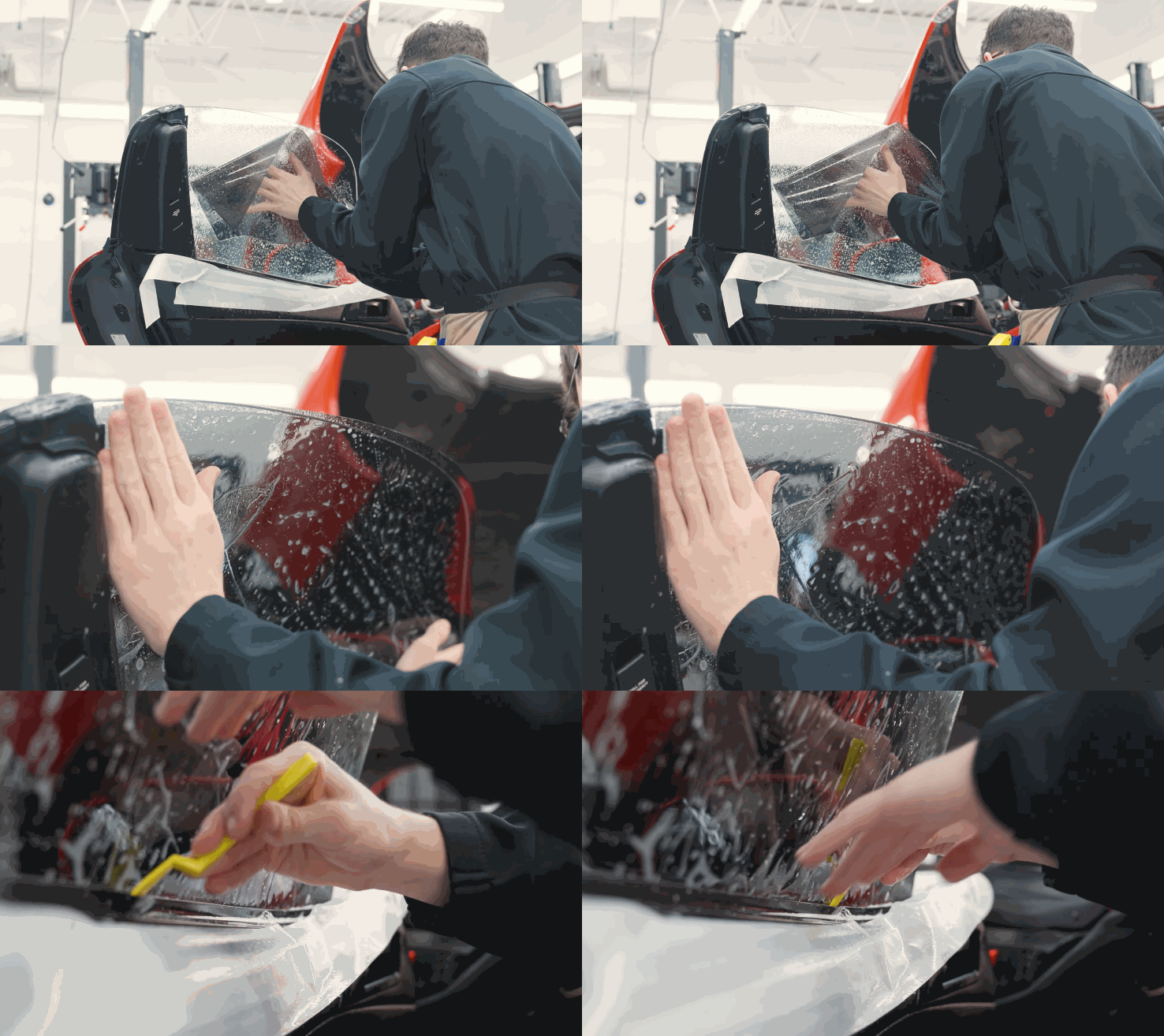
One of the most common questions we hear is how much of a difference window tint really makes. The answer depends on the type of film, but in real-world conditions, especially here in New Jersey, the difference is noticeable almost immediately.
With standard films, you might see a moderate improvement, but when you step into higher-quality options like heat rejection window tint or ceramic window tint, the results become much more significant. In many cases, interior temperatures can be reduced anywhere from 10°F to 25°F, particularly when your car is parked under direct sun.
That difference becomes even more relevant in everyday situations across the state. Whether you’re stuck in stop-and-go traffic on Route 1 or your car is sitting in an uncovered lot near the shore, infrared heat blocking plays a major role in keeping your cabin from overheating.
From what we’ve seen at Auto Image, drivers often notice that their vehicles cool down faster once they start driving, and the cabin temperature stays more stable throughout the trip. It’s not just about stepping into a cooler car, it’s about maintaining that comfort consistently during your drive.
The Technology Behind Heat Rejection Window Tint
Not all window tint is built the same, and understanding the technology behind it helps explain why some options perform better than others. Modern window tint is designed to do more than just darken your windows, it actively works to block different types of solar energy.
At a basic level, high-quality films are engineered to reduce UV exposure and limit infrared heat from entering your vehicle. That’s what allows them to deliver real performance improvements instead of just aesthetic changes.
- Dyed films primarily reduce glare and offer a darker appearance, but limited heat rejection
- Carbon films improve heat reduction and don’t fade as quickly over time
- Ceramic window tint delivers the highest level of infrared rejection technology and UV protection film performance
In a place like New Jersey, where summers bring both high temperatures and humidity, investing in better materials makes a difference. Higher-end films maintain their effectiveness longer and provide more consistent results, especially during peak summer months.
Why Window Tint Matters for New Jersey Drivers
Driving in New Jersey comes with its own set of challenges, especially during the summer. Between long commutes, coastal humidity, and constant sun exposure on highways like I-95 and the Turnpike, your vehicle is almost always dealing with some level of heat stress.
That’s where window tint becomes more than just a visual upgrade. It directly improves driving comfort by reducing glare, limiting heat buildup, and helping your interior stay at a more manageable temperature throughout the day.
- Reduced glare during bright afternoon drives improves visibility and safety
- Lower cabin temperatures make daily commutes more comfortable
- Less strain on your AC system during long drives across the state
- Improved overall driving comfort, especially in stop-and-go traffic
From our perspective at Auto Image, these are the kinds of benefits that drivers actually feel day to day. Whether you’re heading into the city or driving along the Parkway, window tint New Jersey drivers rely on is all about making those everyday moments behind the wheel more comfortable and easier to manage.
Additional Benefits Beyond Temperature Control
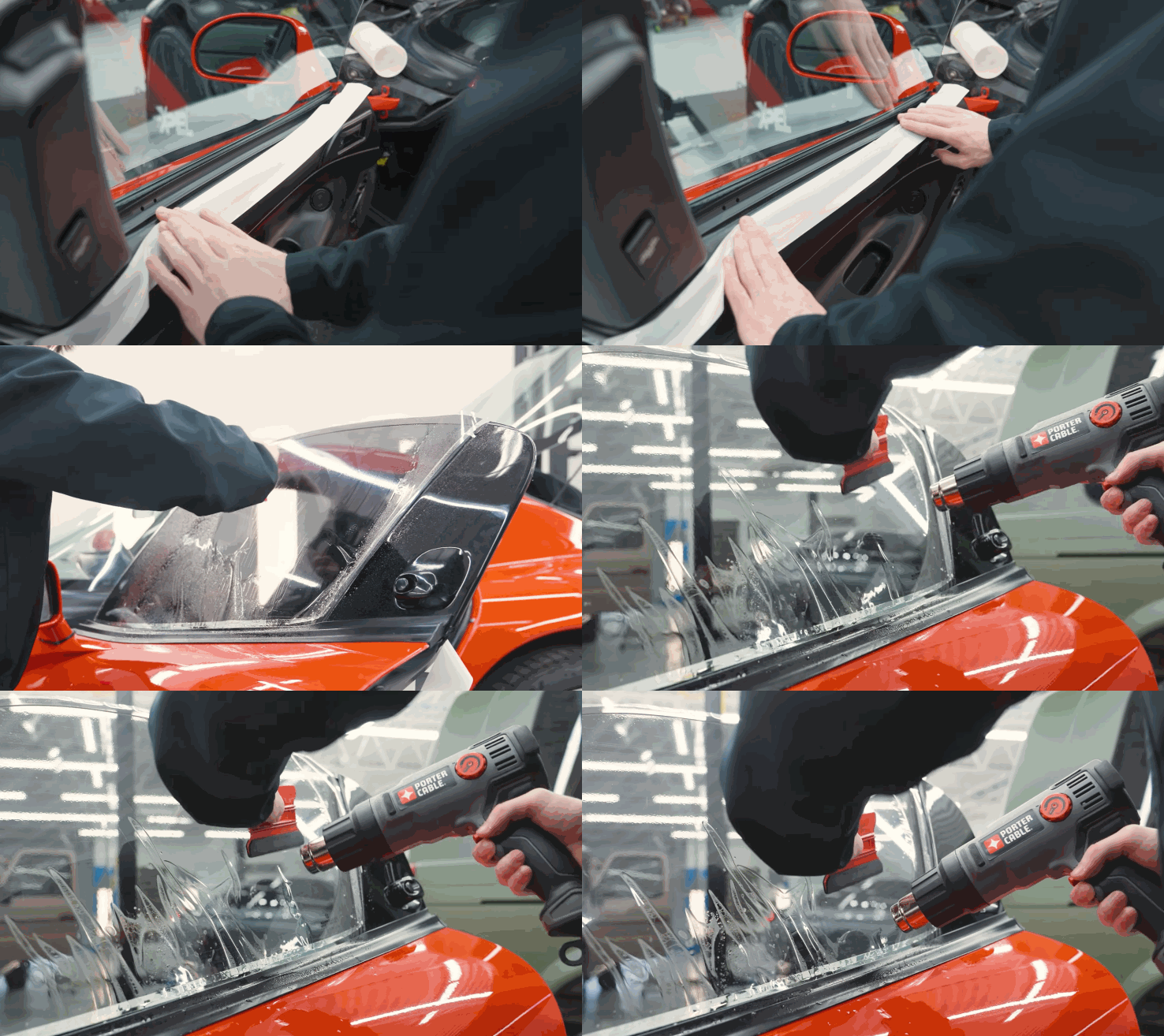
While most people start looking into window tint for heat reduction, what they quickly realize is that the benefits go well beyond temperature. In New Jersey, where sun exposure can be intense for months at a time, protecting your vehicle’s interior becomes just as important as staying cool.
- Vehicle UV protection helps block harmful rays that cause fading, cracking, and discoloration over time
- Glare reduction window film improves visibility, especially during bright afternoon drives on highways like I-95
- Car interior protection preserves dashboards, seats, and trim, reducing long-term wear
- Added privacy makes it harder to see inside your vehicle while maintaining a clean, refined look
From what we’ve seen working with drivers across the state, these are the details that make a long-term difference. At Auto Image, we focus on delivering results that not only improve comfort but also help maintain the condition and appearance of your vehicle over time.
Why Professional Window Tinting Services Make a Difference
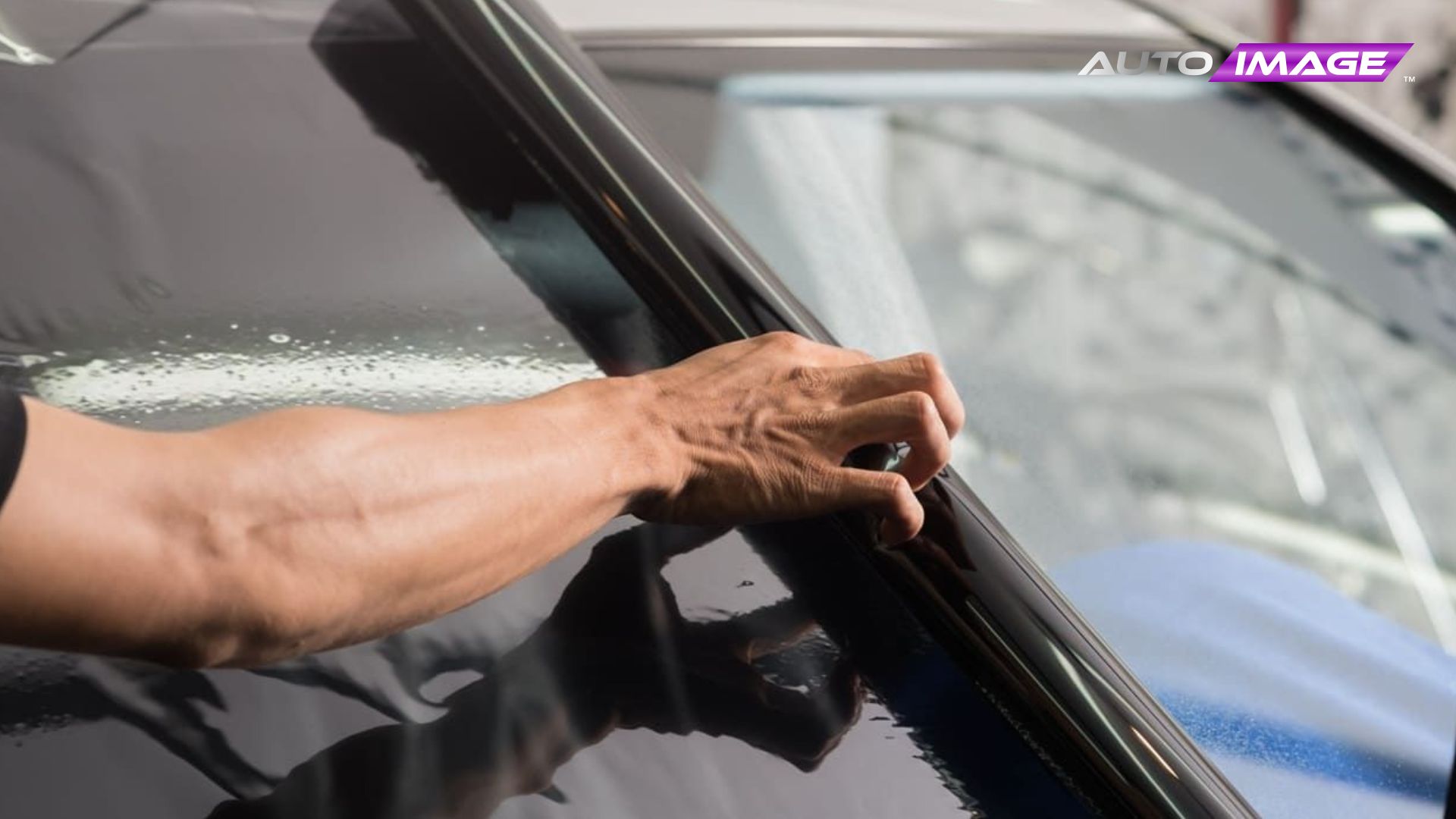
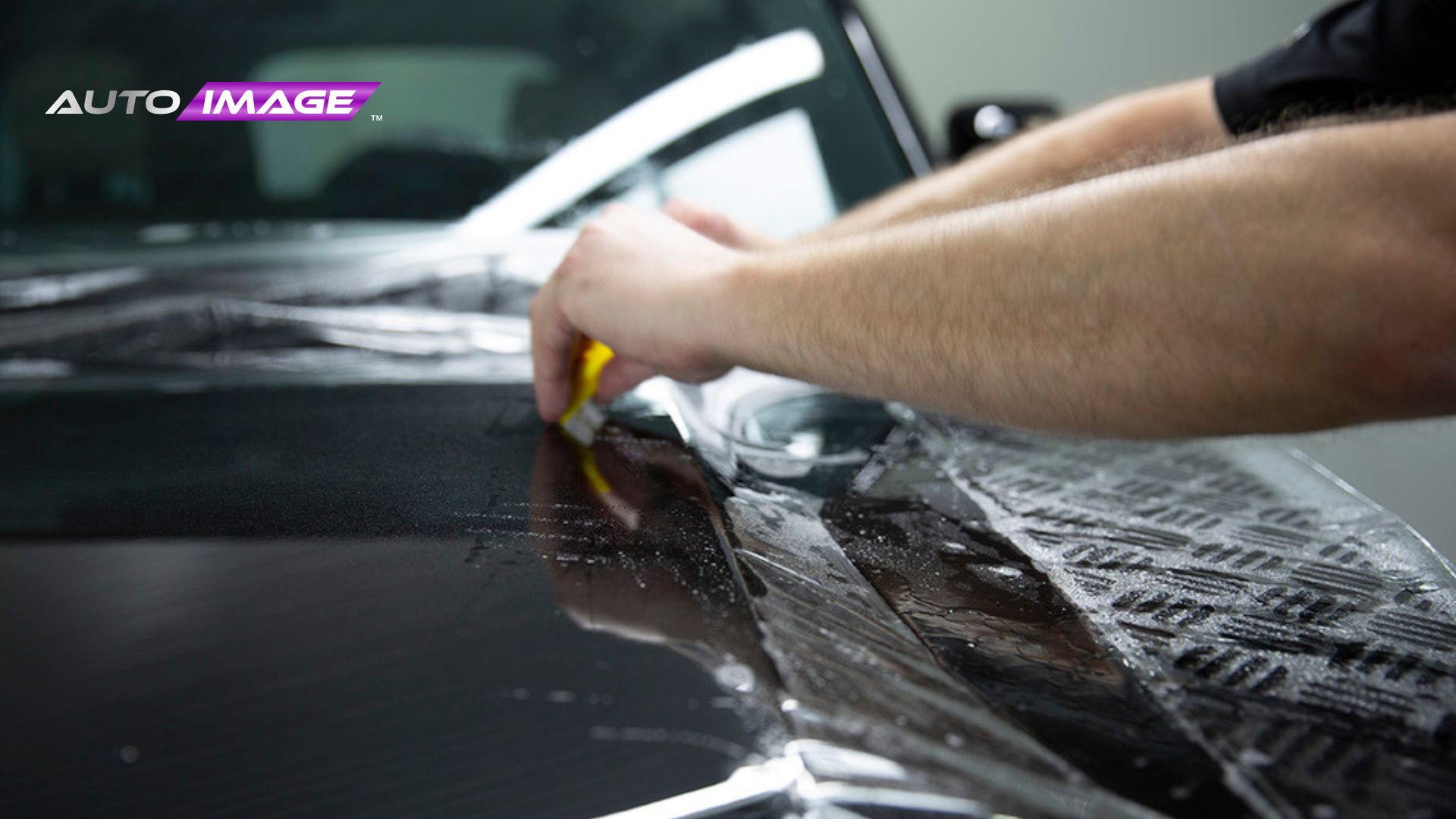
Getting window tint installed is not just about the film itself, it’s about how that film is applied. Even the highest-quality materials can underperform if the installation isn’t done correctly, and that’s where professional window tint installation becomes essential.
- Precision cutting ensures the film fits perfectly to each window without gaps or uneven edges
- Clean application prevents dust, debris, or air pockets from getting trapped underneath
- Proper techniques reduce the risk of bubbling, peeling, or premature failure
- High-quality window film performs as intended when installed in a controlled environment
We’ve seen many cases where poorly installed tint leads to frustration within just a few months. That’s why working with experienced window tinting services matters. At Auto Image, our approach is focused on consistency, detail, and long-term performance, giving New Jersey drivers results they can rely on.
Is Window Tint Worth It for New Jersey Summers?
When evaluating whether window tint is worth it, it really comes down to how you use your vehicle and what kind of driving you do across New Jersey. For many drivers, the benefits become clear pretty quickly once they experience the difference firsthand.
Daily commuters, especially those spending time in traffic or parking in open areas, tend to see the most immediate value. The reduction in heat buildup, combined with improved comfort, makes a noticeable impact on everyday driving. On the other hand, even occasional drivers benefit from long-term vehicle protection, especially when it comes to preserving interior materials.
From a practical standpoint, window tint also helps reduce how hard your AC system has to work, which can translate into better efficiency over time. When you factor in heat reduction benefits, lower interior wear, and overall driving comfort, the investment becomes easier to justify.
For most drivers we talk to, the question shifts from “is window tint worth it” to how soon they wish they had done it.
Conclusion: Stay Cooler and Drive More Comfortably This Summer
New Jersey summers can be demanding on both you and your vehicle, but the right window tint makes a clear difference. From reducing interior heat to protecting against UV damage and improving daily driving comfort, it’s a practical upgrade that delivers consistent value.
When installed properly, window tint becomes a long-term solution, not just a seasonal fix. That’s why working with a trusted local team matters. At Auto Image, we help drivers across the state get the most out of their vehicles with professional window tinting services tailored to real New Jersey conditions.
If you’re looking to improve comfort, protect your interior, and make your daily drives more enjoyable, contact us today. Our team is here to help you find the right window tint New Jersey drivers rely on for effective car heat protection and lasting performance.