Buying a new car is an exciting milestone, but it is also a significant financial investment. Whether you are driving a brand new SUV, a luxury sedan, or a daily commuter vehicle, protecting its exterior should be part of the plan from the very beginning. A factory paint finish looks flawless when the car first leaves the dealership, but daily driving can quickly expose it to conditions that slowly wear down that original finish.
One of the most effective ways to preserve that new-car look is with Paint Protection Film. This transparent protective layer is applied over painted surfaces to help shield the vehicle from road debris, light scratches, and environmental contaminants. Over the past several years, Paint Protection Film has become increasingly popular among new car owners who want to maintain their vehicle’s appearance while protecting their investment long term.
Driving in New Jersey makes that protection even more relevant. Many drivers spend time on major highways like the Garden State Parkway or the New Jersey Turnpike, where vehicles are constantly exposed to debris, construction zones, and heavy traffic. Add in seasonal weather and road treatments during the winter months, and it becomes clear why protecting your vehicle’s paint early can make a real difference.
At Auto Image, we work with many drivers who want to keep their vehicles looking new for as long as possible. As part of the team, we’ve seen firsthand how Paint Protection Film can help protect that original finish and give owners peace of mind every time they head out on the road.
Why New Jersey Driving Conditions Can Be Tough on Your Car’s Paint
Driving throughout New Jersey exposes vehicles to a wide range of conditions that can slowly damage exterior paint. Even drivers who take great care of their cars often begin to notice small chips and imperfections much sooner than expected. Daily commuting, road construction, and traffic-heavy highways all contribute to paint wear over time.
Roadways like the Garden State Parkway and the New Jersey Turnpike see constant traffic from cars, trucks, and commercial vehicles. At highway speeds, small rocks and loose debris can easily be thrown into the air, striking the front of vehicles and leaving tiny chips in the paint. Over time, those small marks can accumulate and affect the overall appearance of the vehicle.
Seasonal changes also play a major role. New Jersey winters bring road salt, sand, and slush, all of which can be harsh on a vehicle’s exterior. While these materials help keep roads safe, they also increase the risk of paint damage and corrosion if the surface is left unprotected.
Some of the most common paint hazards New Jersey drivers deal with include:
- Rock chips caused by debris on busy highways
- Road salt and sand used during winter storms
- Construction debris from high-traffic commuter routes
- Bug splatter and environmental contaminants during warmer seasons
- Light scratches from everyday driving and parking situations
Because of these conditions, vehicle paint protection becomes an important step in maintaining a car’s appearance. Installing Paint Protection Film provides an extra layer of road debris protection that helps reduce the impact of these everyday hazards.
What Paint Protection Film Actually Does for a New Vehicle
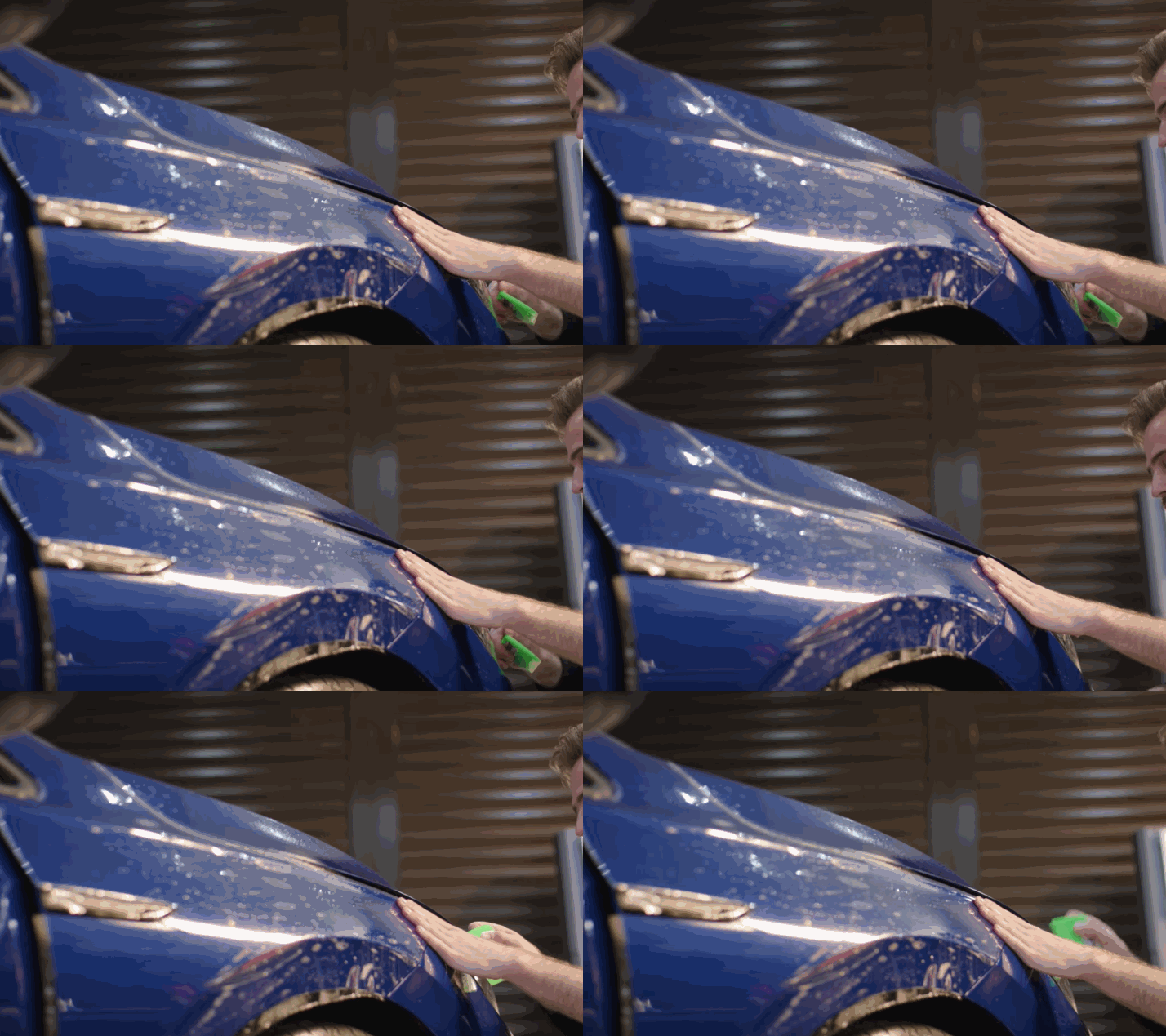
Paint Protection Film is designed to act as a protective barrier between your vehicle’s paint and the elements it encounters every day. The film is a transparent, durable layer that is carefully applied over painted surfaces, helping absorb impacts and resist damage that would otherwise reach the factory finish.
One of the most important advantages of Paint Protection Film is its ability to help prevent rock chips and minor scratches. When debris strikes the vehicle at highway speeds, the protective film helps absorb the impact and reduce the chances of visible paint damage.
Modern PPF technology also includes self-healing capabilities. When light scratches or swirl marks appear on the surface of the film, exposure to heat from the sun or warm water can allow the material to gradually return to its original smooth finish. This helps the vehicle maintain a clean and glossy appearance with minimal maintenance.
Paint Protection Film also helps defend against several other common paint threats:
- Rock chips caused by debris on highways and commuter roads
- Minor scratches from daily use and normal vehicle contact
- Bug splatter and bird droppings that can stain paint
- Road tar and environmental contaminants
- UV exposure that can slowly fade painted surfaces
Instead of waiting until paint damage occurs, Paint Protection Film works as a proactive paint protection solution that helps preserve the original finish of a new vehicle.
Why Installing PPF Early Makes the Biggest Difference
One of the most common questions we hear from new car owners is when they should consider installing Paint Protection Film. In most cases, the best time is as soon as possible after purchasing the vehicle. When the paint is still in factory condition, it allows the film to be applied to a perfectly clean surface, helping achieve the best long-term results.
Factory paint is easiest to preserve before any scratches, swirl marks, or small chips begin to appear. Once damage occurs, correcting it often requires additional work such as paint correction or touch-up repairs. Applying Paint Protection Film early helps prevent many of those issues before they start.
At Auto Image, we often recommend PPF installation for customers who want to keep their vehicle looking as close to new as possible. Protecting the paint from the beginning helps maintain the vehicle’s appearance and reduces the need for future repairs or cosmetic work.
From our experience working with vehicles across New Jersey, installing protective film early is one of the most effective ways to achieve long-term vehicle protection and preserve the original factory finish.
Common Areas Where Paint Protection Film Is Applied
Not every vehicle requires the same level of coverage, which is why Paint Protection Film can be applied to specific areas that are most exposed to road debris. These high impact areas tend to experience the most wear during everyday driving, especially on busy highways and commuter routes.
The front section of the vehicle typically receives the most direct exposure to rocks and debris, making it one of the most common areas where drivers choose to install protective film. However, other parts of the vehicle can also benefit from additional protection depending on driving habits and road conditions.
Some of the most common areas where Paint Protection Film is installed include:
- Front bumper and hood for front end protection
- Front fenders that face direct road impact
- Side mirrors exposed to highway debris
- Rocker panels along the lower sides of the vehicle
- Door edges and handle areas that experience frequent contact
Because every driver uses their vehicle differently, the level of coverage can vary based on how the car is driven and where it is most often used. Choosing the right protection strategy helps ensure that the areas most vulnerable to damage receive the protection they need.
Why Professional PPF Installation Matters for Long-Term Results

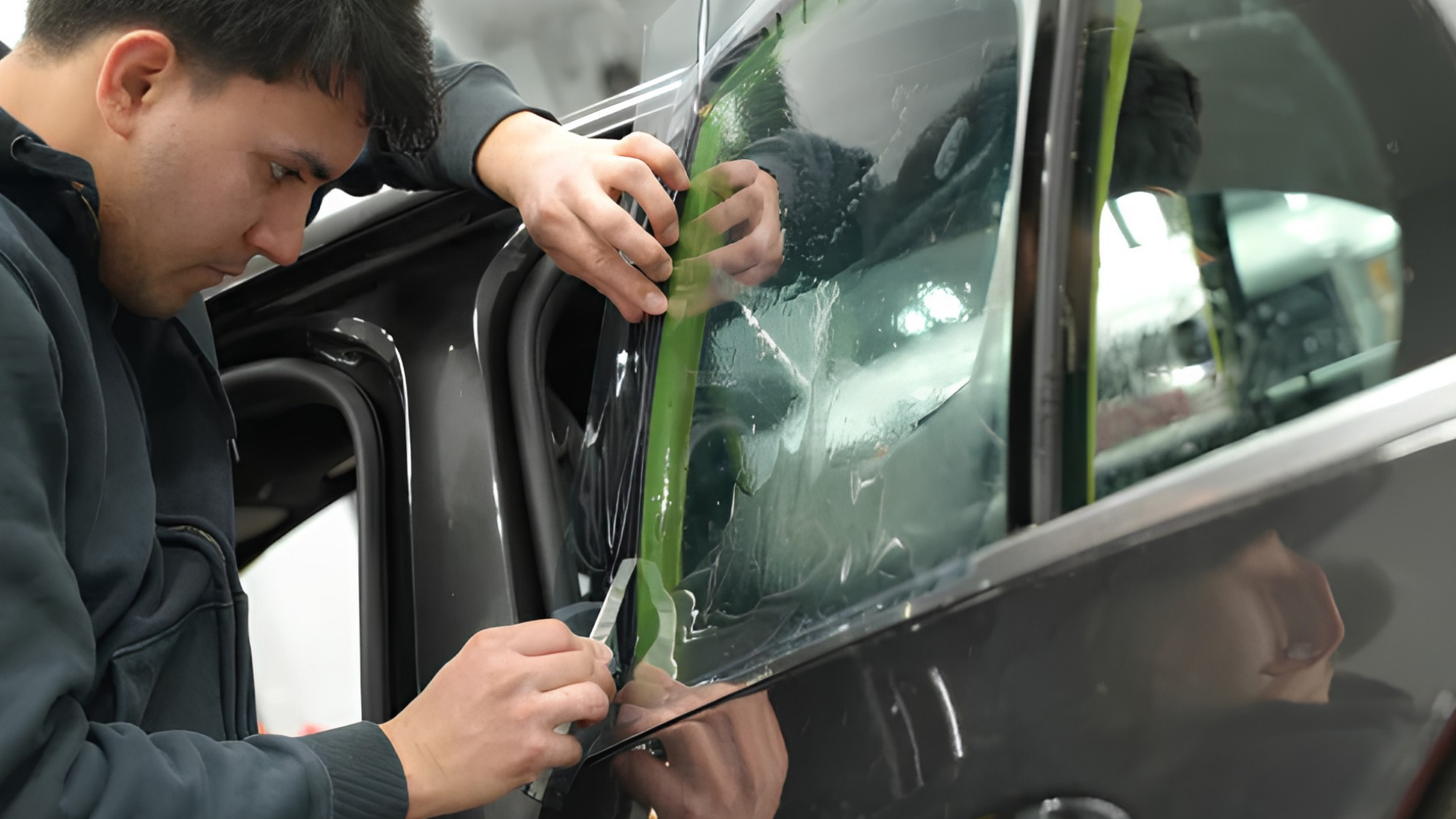
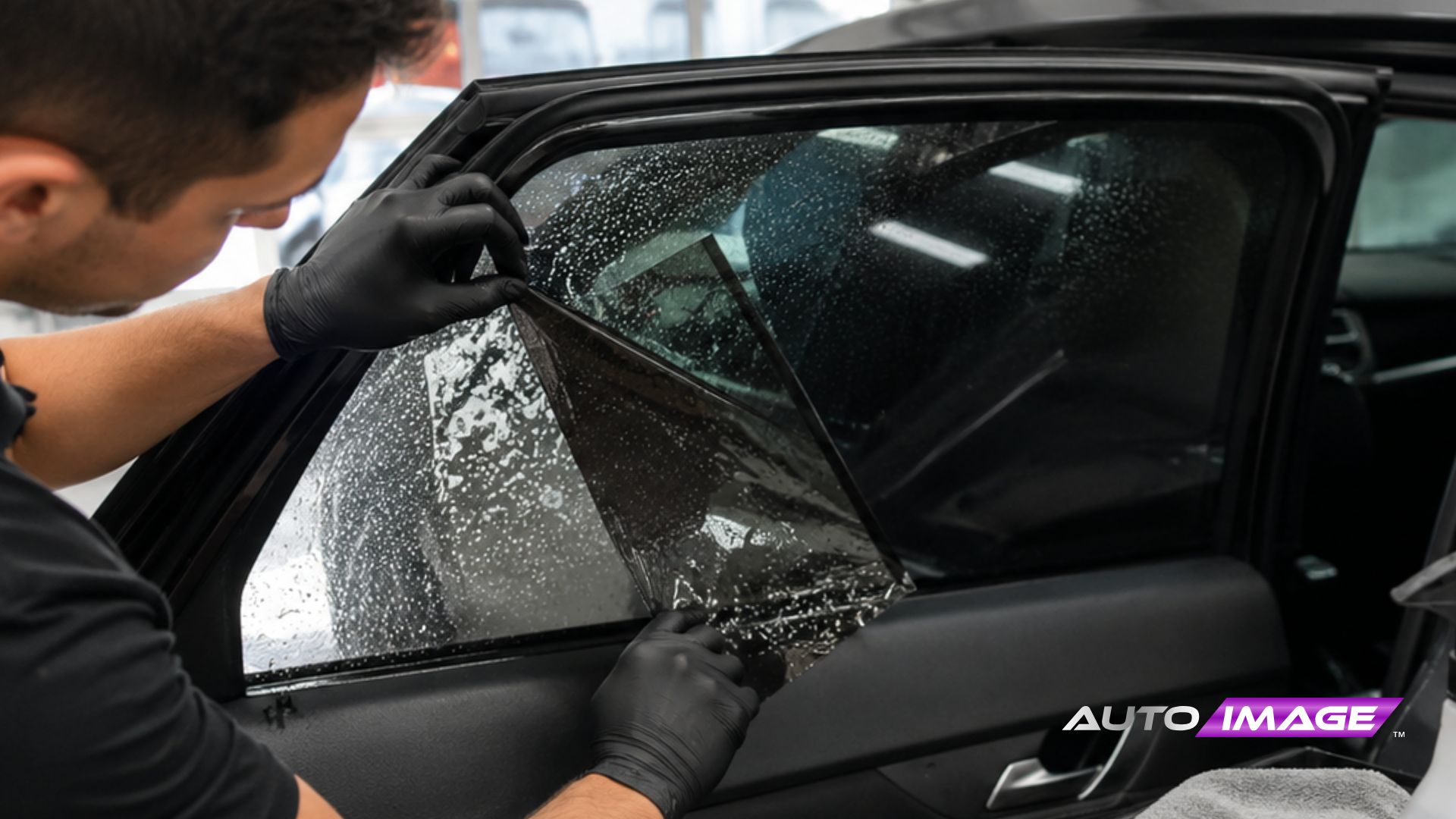
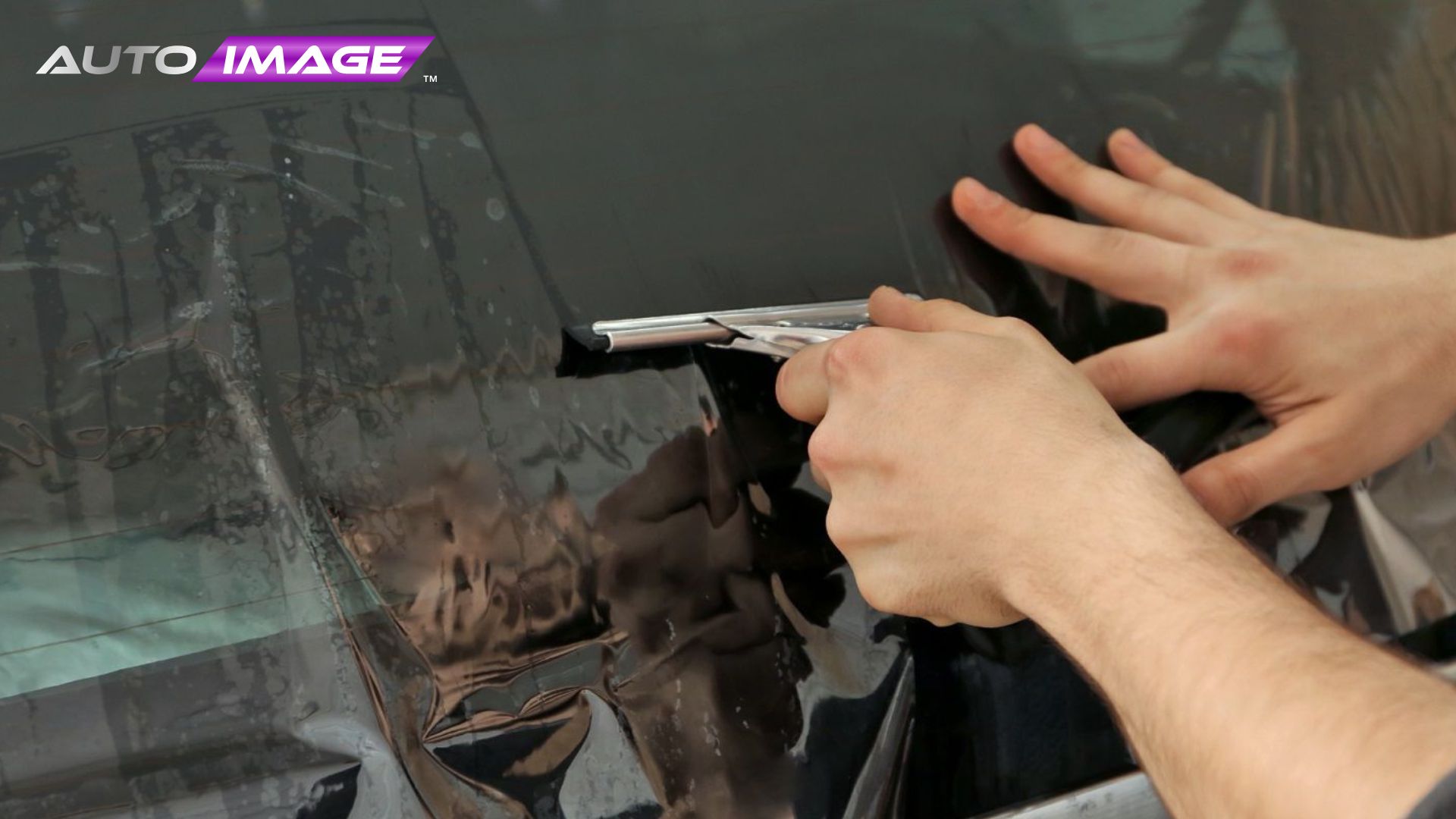
Installing Paint Protection Film may seem straightforward at first glance, but achieving long-lasting performance depends heavily on the quality of the installation process. Proper preparation and precise application are critical to ensure that the film adheres correctly, remains clear, and performs as intended for years. Without the right preparation steps, even high-quality film may not deliver the protection drivers expect.
Surface preparation is one of the most important parts of any paint protection film installation. The paint must be thoroughly cleaned and decontaminated before the film is applied. Any remaining dust, residue, or imperfections can become trapped under the film, affecting both the appearance and durability of the installation.
Poor installation techniques can lead to several problems that reduce the effectiveness of the protective film:
- Air bubbles or trapped debris under the film
- Edges lifting or peeling over time
- Visible contamination that affects clarity
- Reduced durability or premature film failure
- Uneven adhesion across the vehicle’s surface
This is why controlled environments and experienced installers make a significant difference. Temperature, humidity, and lighting conditions all influence how the film is applied and how well it bonds to the vehicle’s paint. Professional installers also use specialized tools and installation methods that help achieve a smooth, precise finish.
At Auto Image, we focus heavily on professional installation standards to ensure that every PPF installation delivers the durability and appearance customers expect. With proper preparation and careful application, paint protection film installation can provide long-term protection while maintaining the original look of the vehicle.
Long-Term Benefits of Paint Protection Film for New Jersey Drivers
One of the biggest advantages of Paint Protection Film is its ability to preserve the original factory paint over the long term. Vehicles that receive proper protection early in their life tend to maintain a cleaner and more consistent appearance, even after years of daily driving. For many car owners, that level of car paint preservation becomes especially valuable as the vehicle ages.
Protecting the factory paint also plays an important role in maintaining resale value. Buyers often look closely at the condition of a vehicle’s exterior when evaluating a used car, and paint damage such as rock chips, scratches, or fading can reduce perceived value. By maintaining the original finish, Paint Protection Film helps vehicles look better for longer.
Some of the long-term benefits drivers often experience include:
- Maintaining the original factory paint condition
- Reducing visible rock chips and surface damage
- Minimizing the need for repainting or cosmetic repairs
- Preserving the overall appearance of the vehicle
- Supporting long-term vehicle ownership and resale value
For drivers across New Jersey, these protective film benefits can make a meaningful difference over time. Highways, seasonal weather, and heavy traffic expose vehicles to conditions that gradually affect paint surfaces. Long-term vehicle protection helps reduce that impact and keeps vehicles looking newer for longer.
At Auto Image, we regularly work with drivers who want to protect their vehicles as part of a long-term ownership strategy. Applying Paint Protection Film early helps preserve the finish, reduce maintenance concerns, and protect the investment that comes with purchasing a new car.
How Paint Protection Film Supports Daily Driving in New Jersey
Daily driving in New Jersey exposes vehicles to conditions that many new car owners do not fully anticipate. Heavy commuter traffic, constant construction zones, and high-speed highway travel all increase the chances of small debris coming into contact with your vehicle’s paint. Over time, even minor impacts can leave visible marks on the most exposed areas of the car.
Paint Protection Film helps reduce the impact of those everyday conditions by creating a protective barrier over vulnerable painted surfaces. Instead of small rocks, debris, or contaminants hitting the paint directly, the film absorbs much of that contact and helps preserve the factory finish underneath. For drivers who regularly travel on busy routes like the Garden State Parkway or the New Jersey Turnpike, that extra layer of protection can make a noticeable difference in maintaining the vehicle’s appearance.
Many new car owners choose Paint Protection Film because it allows them to enjoy driving their vehicle without constantly worrying about small paint imperfections appearing after a few months of use. By protecting the paint early, it becomes much easier to maintain the clean, well-kept look that makes a new car feel special for years to come.
Conclusion: Protecting Your New Car from Day One
Owning a new vehicle is an exciting experience, and protecting that investment should start from the moment the car hits the road. Between highway debris, changing weather conditions, and daily driving across busy New Jersey roads, vehicle paint is constantly exposed to elements that can slowly cause damage.
Paint Protection Film offers a practical solution for preserving the factory finish and reducing the impact of those everyday hazards. By acting as a protective barrier, the film helps prevent rock chips, minor scratches, and environmental damage that can affect a vehicle’s appearance over time.
Choosing professional PPF installation is also an important part of ensuring that the protection performs as expected. Proper preparation, precise installation, and high-quality materials all contribute to achieving durable and reliable results that last for years.
At Auto Image, our team works closely with vehicle owners who want to maintain their car’s appearance and protect its long-term value. If you’re considering Paint Protection Film for your new vehicle, we’re here to help guide you through the process and recommend the best protection options for your driving habits.
If you want to keep your new car looking its best from day one, contact Auto Image today to learn more about Paint Protection Film and schedule a consultation with our team. Protecting your vehicle now can make a difference you’ll appreciate for years to come.