Window tint rarely fails all at once. Most of the time, it starts with small signs that are easy to ignore at first. Maybe the film looks a little lighter than it used to. Maybe one edge starts lifting. Maybe the cabin feels warmer even though the tint still looks decent from the outside. We see this often, and it is usually the vehicle’s way of saying the film is reaching the end of its useful life.
For New Jersey drivers, those signs can show up faster when the film is older, lower quality, or poorly installed. Vehicles in Sea Girt, Brick Township, Tinton Falls, and East Brunswick deal with a real mix of conditions: sunny afternoons, humid days, cold mornings, seasonal temperature changes, and everyday driving. Over time, that combination can wear down old car window tint, especially if the film was never built for long-term performance.
Window tint is not just there to make your vehicle look better, either. A quality New Jersey window tint setup can help with comfort, glare control, heat rejection, UV protection, and interior preservation. When the film starts failing, you may lose more than appearance. You may also notice the cabin feeling hotter, the glass looking hazy, or the interior getting more direct sun exposure than before.
So, when should drivers replace their window tint? The answer depends on what the film is doing, how it looks, and whether it is still performing the way it should. At Auto Image, we help drivers inspect old tint, understand what is happening, and choose better replacement options when the film has reached that point.
Faded or Discolored Tint Is More Than a Cosmetic Problem
Fading is one of the most common signs that window tint is aging. Sometimes it happens gradually, so you do not notice it right away. Then one day, you look at the glass in direct sunlight and realize the film looks lighter, uneven, or slightly purple compared to how it looked when it was first installed.
We have seen this many times with old window tint, especially on vehicles that spend a lot of time outside. Lower-quality films may look fine for a while, but after years of sun exposure, they can start to lose color, clarity, and consistency. That faded window tint can make the vehicle look older, even if the paint and interior are still in good condition.
The bigger issue is that discoloration can also be a sign that the film is no longer offering the same level of protection. If the materials in the film are breaking down, heat rejection and UV protection may not be as strong as they once were. That means your cabin may feel hotter, your interior may be more exposed, and the film may not be doing the job you originally installed it for.
When fading becomes obvious, window tint replacement is usually worth considering. It gives you the chance to restore the look of the vehicle and upgrade to a better film that performs more consistently over time
Bubbling and Peeling Are Clear Warning Signs
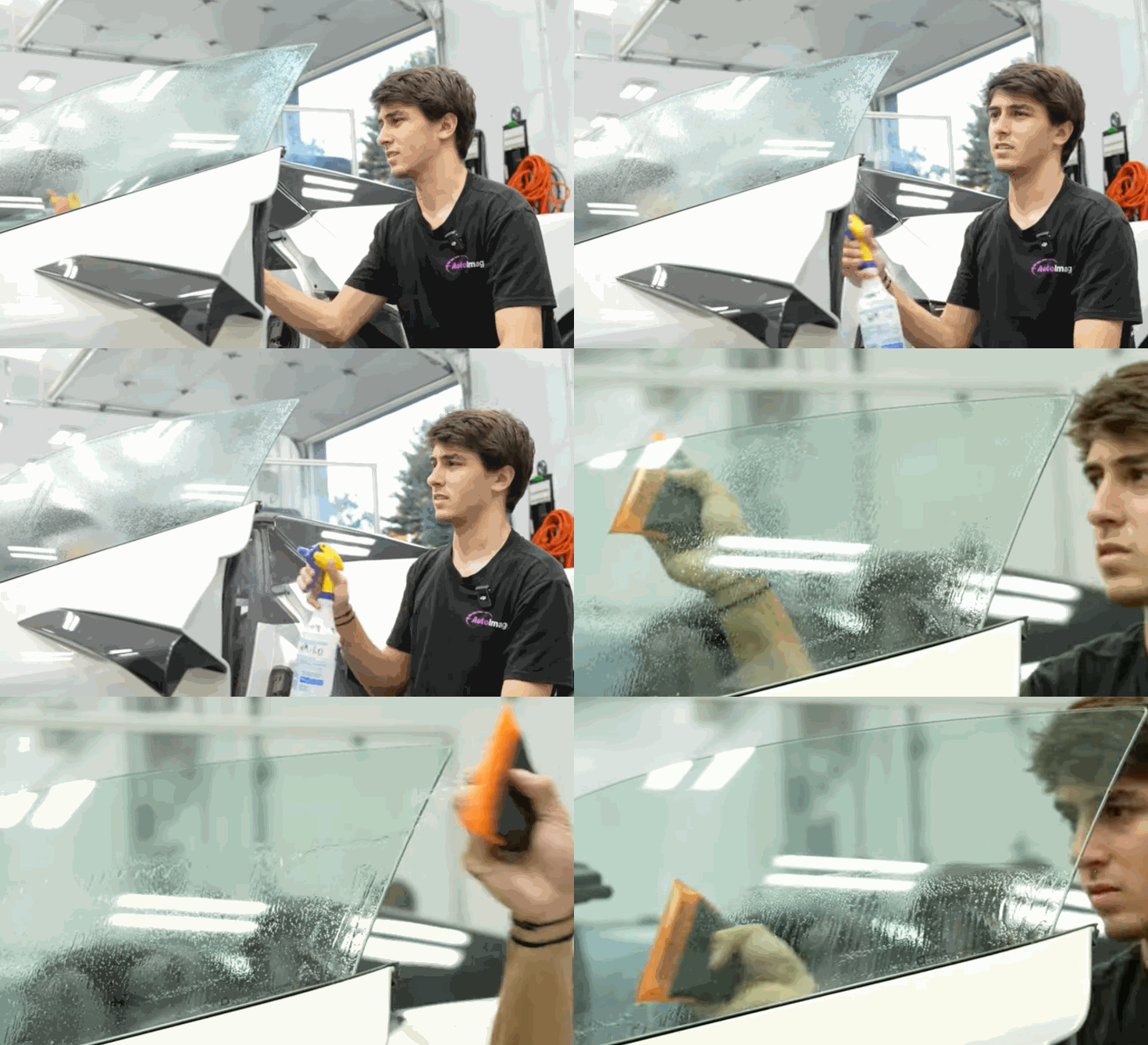
Bubbling and peeling are two of the clearest signs that the adhesive behind the film is starting to fail. Once that happens, the issue usually does not stay in one small area forever. Heat, moisture, window movement, and daily use can make the problem spread.
Common signs of bubbling window tint or peeling window tint include:
- Small bubbles spreading across the glass
- Peeling near the edges or corners
- Film lifting when the windows are rolled up or down
- Uneven texture or pockets of trapped air
- Adhesive residue or wrinkled film
The problem with bubbling or peeling is that it usually cannot be fixed cleanly with a quick patch. Once the adhesive has failed, trying to press the film back down rarely delivers a lasting result. In many cases, it only makes the glass look worse or leaves behind more residue later.
When these issues show up, it is usually smarter to replace window tint instead of trying to stretch a failing film for a few more months. A proper replacement gives the glass a fresh start and helps prevent the same problems from coming back too soon.
Reduced Comfort Can Mean Your Tint Is No Longer Performing
Window tint can still look acceptable from the outside and perform poorly from the driver’s seat. That is one of the trickier things about aging film. It may not be bubbling or peeling yet, but you can feel the difference when the vehicle sits in the sun or when glare starts bothering you more than it used to.
Drivers in Brick Township and East Brunswick often notice this when their vehicles sit outside during warmer parts of the day. The cabin heats up faster, the steering wheel feels hotter, and the air conditioning has to work harder to catch up. In Sea Girt and Tinton Falls, regular sun exposure and seasonal changes can also make older automotive window tint feel less effective over time.
Heat Rejection Starts to Feel Weaker
Heat rejection window tint is meant to help reduce the amount of solar heat entering the cabin. When that performance fades, you may notice the interior becoming uncomfortable sooner after parking outside.
Glare Becomes More Noticeable
Aging film may also feel less helpful during bright daytime driving. If you are squinting more often or feeling more eye strain, the tint may not be managing glare the way it once did.
UV Protection May Not Be What It Used to Be
UV protection window tint helps protect seats, dashboards, trim, and other interior materials. If the film is old or breaking down, that protection may be less reliable.
At Auto Image, we can evaluate whether your current film is still doing its job or whether replacement makes more sense. Sometimes the signs are visible, but other times, the biggest clue is simply that your vehicle does not feel as comfortable as it used to.
Visibility Issues Should Never Be Ignored
Old window tint can eventually affect how clearly you see through the glass. That is when replacement becomes more than a comfort or appearance decision. If the film is hazy, scratched, cloudy, or distorted, it can make daily driving more frustrating and less comfortable.
This can be especially noticeable during early morning drives, cloudy days, rainy conditions, or nighttime driving. Any film that creates glare, blur, distortion, or a dirty-looking haze can interfere with visibility. Even if the tint still looks acceptable from the outside, the view from the driver’s seat matters most.
Professional window tinting is not just about making the vehicle look clean. It is about installing film that supports comfort, clarity, and confidence behind the wheel. If your old tint is making it harder to see clearly, that is a strong sign that professional window tint replacement should be on your list.
A good replacement film should feel almost invisible in the way it performs. It should help manage heat and glare without making the glass look cloudy or distracting. When the old film starts getting in the way of that, it is time to move on.
Why Professional Removal Matters Before New Tint Installation
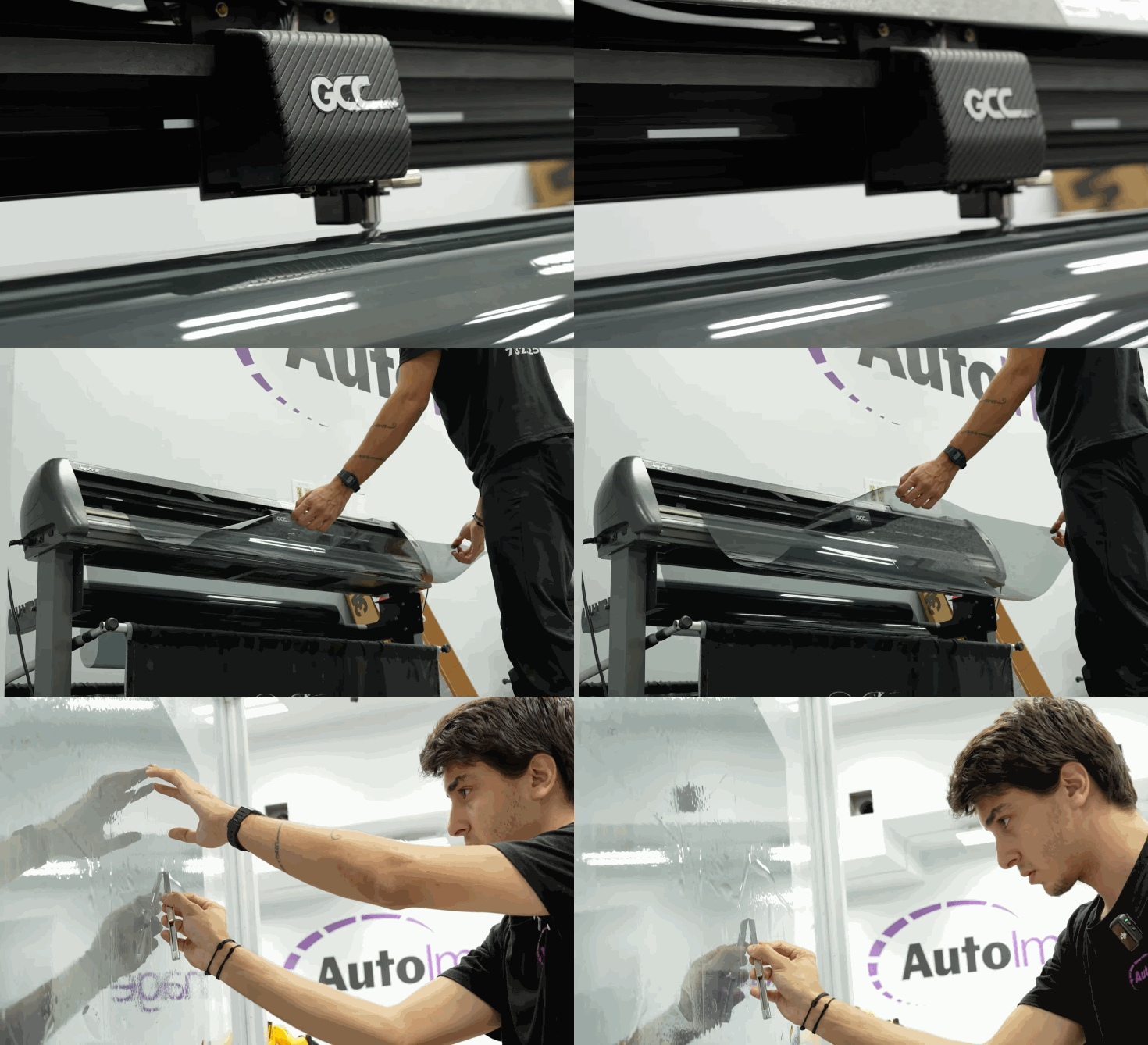
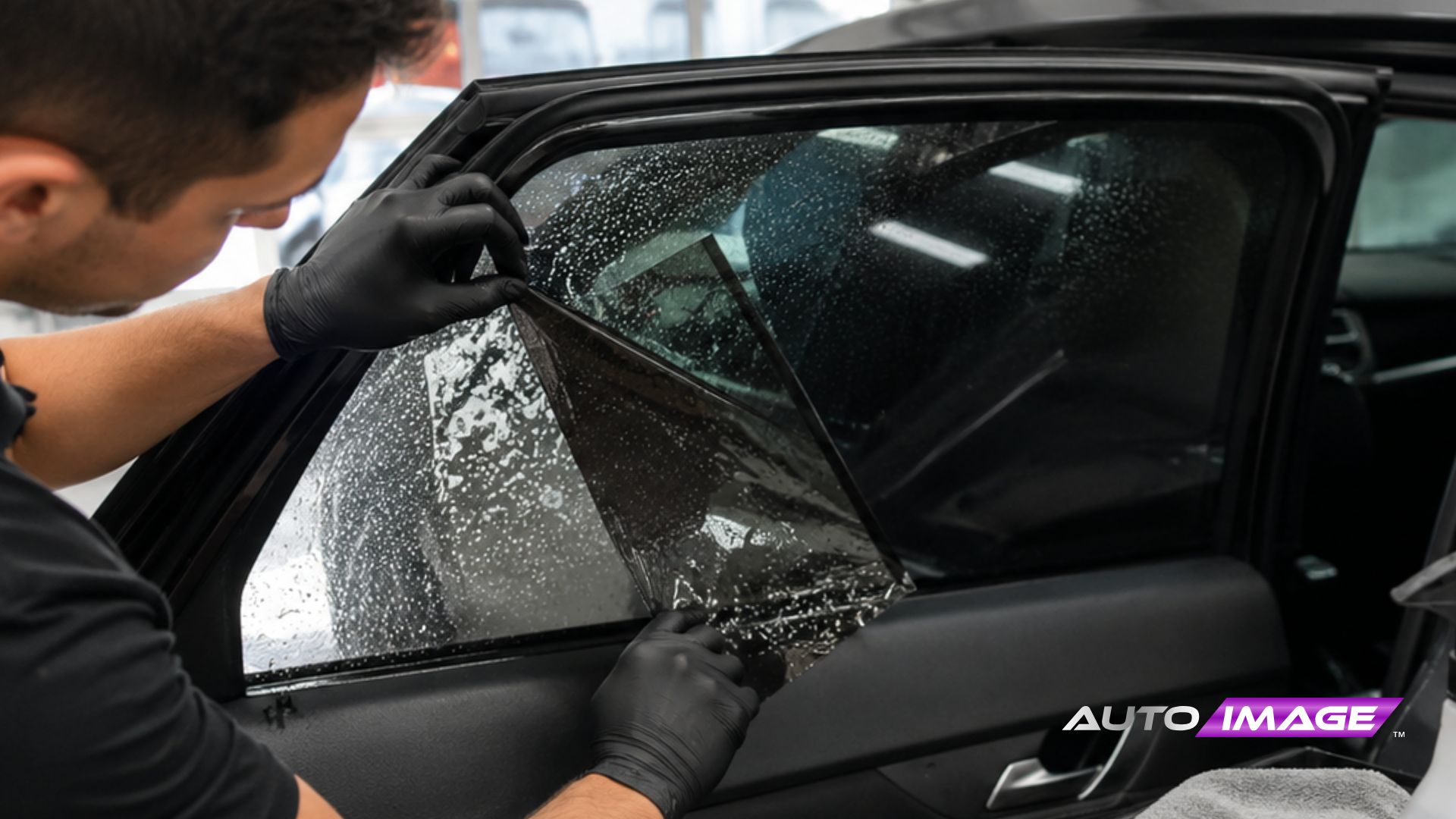
Replacing window tint is not just about choosing new film and installing it over the glass. Before any new window tint installation can look clean and perform properly, the old film has to come off the right way. This step matters more than many drivers realize, especially when the existing film is bubbled, peeling, faded, or leaving adhesive behind.
Old tint can be stubborn. The film may separate in pieces, the adhesive may stick to the glass, and on rear windows, the defroster lines need to be handled with extra care. Rushing the removal process can create bigger problems than the old tint itself.
A proper window film removal process helps prevent issues such as:
- Scratched glass from aggressive scraping
- Adhesive residue left behind before new film is installed
- Damage to rear defroster lines
- Uneven surfaces that affect the new film’s appearance
- Contamination that can lead to bubbles or poor adhesion
At Auto Image, we treat removal as part of the full replacement process, not as an afterthought. Our window tinting services include careful preparation because clean glass gives the new film the best chance to bond correctly, look smooth, and last the way it should.
Choosing Better Replacement Film This Time Around
Replacing old tint is a good opportunity to make a better choice than what was on the vehicle before. If your previous film faded, bubbled, turned purple, or lost performance too soon, the replacement should not just be “new.” It should be a better match for how you drive, where you park, and what you expect from your vehicle long term.
At Auto Image, XPEL window tint is our preferred option because it gives drivers a strong balance of clarity, heat rejection, UV protection, and long-term durability. For many customers, especially those who care about comfort and a clean finish, modern ceramic window tint is a major upgrade compared with basic older films.
Basic older tint may have focused mostly on shade or appearance. A higher-quality ceramic film can offer a more complete result, helping reduce heat, protect the interior, maintain visibility, and hold its appearance better over time. That difference becomes noticeable during daily driving, especially when your vehicle spends time parked outside or exposed to regular sun.
Choosing better film can also help reduce the chances of early fading, bubbling, peeling, and premature replacement. When the product quality and installation quality work together, your new tint has a much stronger foundation from the start.
Is It Better to Replace All the Tint or Only One Window?
Sometimes, replacing one damaged window makes sense. If one piece of tint was scratched, damaged, or affected by a specific issue, a single-window replacement may be enough. But when the entire vehicle has old film, full window tint replacement is often the cleaner and more consistent option.
The challenge with replacing only one window is matching. Older tint changes over time, even when the change is subtle. Sun exposure, age, fading, and material breakdown can all affect the color, shade, clarity, and finish of the existing film. A brand-new piece of tint next to older film may stand out more than expected.
This is why professional window tinting starts with inspection. A trained installer can look at the condition of the film, compare the affected window with the rest of the vehicle, and help determine whether it is better to replace window tint on one glass panel or refresh the full setup.
There is no one-size-fits-all answer. The right choice depends on how old the tint is, how visible the damage looks, and how important a uniform finish is to you. Our advice is simple: if the rest of the film is still healthy, one window may work. If the full vehicle is showing age, a complete replacement usually delivers the better result.
Conclusion: Replace Old Window Tint with Help from Auto Image
Old window tint usually gives you signs before it fully fails. Fading, bubbling, peeling, haziness, reduced comfort, weaker heat rejection, and visibility issues are all clues that the film may no longer be doing its job. When those signs show up, replacement is not just about making the vehicle look better. It is also about restoring comfort, clarity, UV protection, and long-term performance.
For drivers in Sea Girt, Brick Township, Tinton Falls, and East Brunswick, New Jersey window tint has to handle sun, humidity, seasonal changes, and everyday use. That is why professional removal, proper glass preparation, quality film, and expert installation all matter when it is time to replace old tint.
At Auto Image, we help customers inspect aging film, remove old tint correctly, and choose replacement options that make sense for their vehicle. Our window tinting services are designed to give you a cleaner look, better performance, and more confidence in the finished result.