Leave your car parked for a while near the waterfront in Long Branch or outside a café in Red Bank, and you’ll feel it the second you open the door, that trapped heat that builds up faster than you expect. Around Monmouth County, that’s a pretty normal part of daily driving. Between the coastal sun bouncing off nearby surfaces and the humidity that lingers through summer, your vehicle ends up taking the hit.
That’s one of the main reasons window tint has gone from a nice-to-have to something drivers here actively look into. And more recently, the conversation has been shifting toward ceramic window tint, not because it sounds better, but because it actually behaves differently once it’s on the car. From our experience at Auto Image, most people don’t fully understand the difference at first, but they definitely notice it after a few days on the road.
What Is Ceramic Window Tint and How Does It Work?
At its core, ceramic window tint is a type of window tint film built using extremely fine ceramic particles that are infused into the material itself. These particles aren’t visible, but they play a key role in managing heat and light in a way older films simply don’t.
To put it into perspective, here’s how it compares to other common options:
- Traditional dyed films mainly darken the glass, but don’t do much when it comes to blocking heat
- Metallic films reflect heat outward, but can interfere with signals like Bluetooth, GPS, or mobile data
- Ceramic window tint uses non-metallic components to reduce heat while keeping everything inside your car fully connected
What makes this type of window tint technology stand out is how subtle it feels. You don’t lose clarity, you don’t deal with signal issues, and you’re not relying on darkness alone to stay comfortable. Instead, the film works in the background, filtering out a large portion of infrared heat. That’s what defines a truly advanced window tint film today.
Why Monmouth County Drivers Are Choosing Ceramic Window Tint
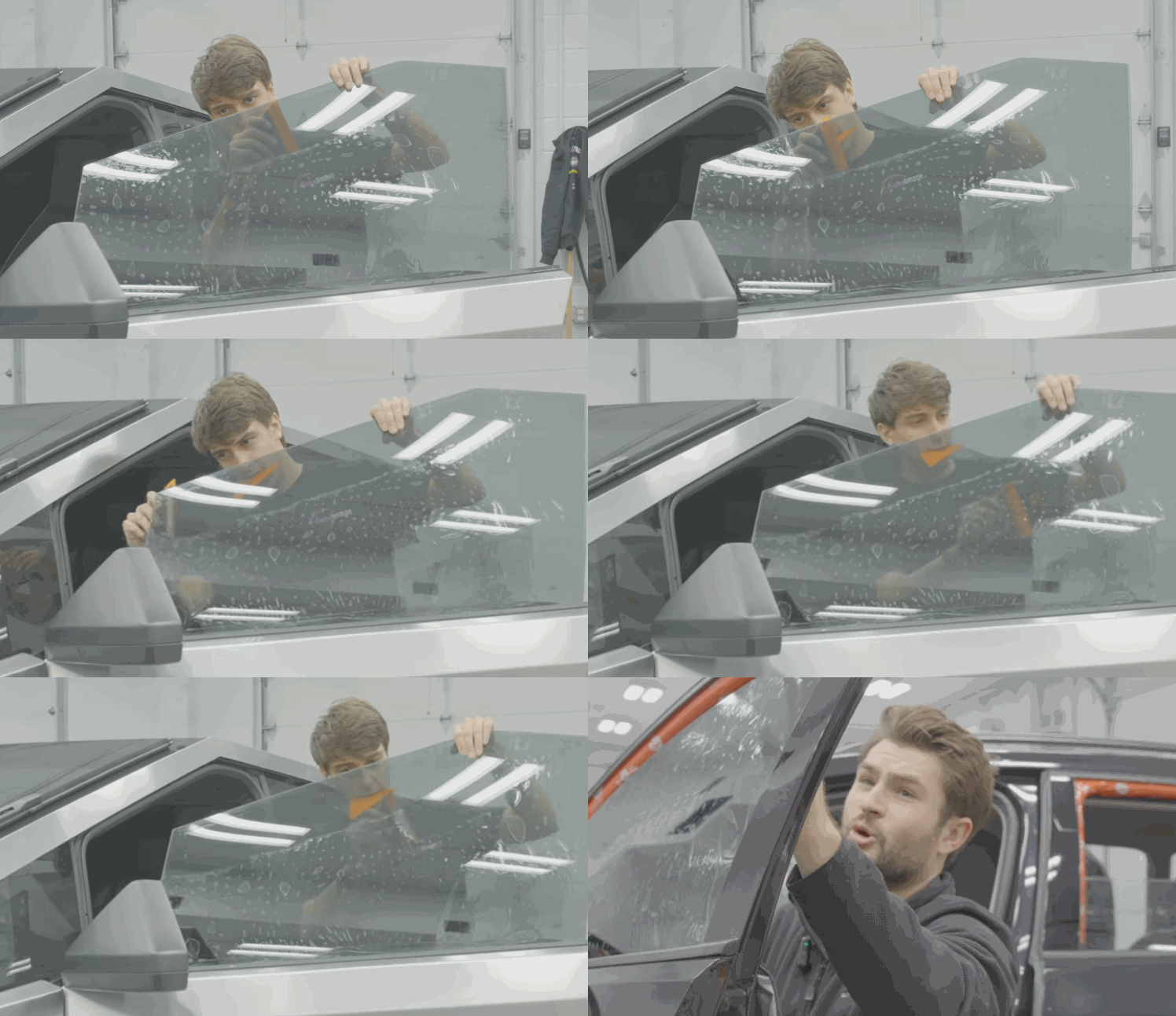
Driving through Monmouth County isn’t always predictable. One minute you’re heading inland through Freehold, the next you’re closer to the coast dealing with a completely different kind of light and glare. That mix of conditions is exactly why more drivers are moving toward ceramic window tint instead of sticking with basic alternatives.
When you’re out on roads like Route 35 or navigating traffic near Asbury Park, the effect of a quality heat rejection window tint becomes easier to appreciate. The interior doesn’t spike in temperature as aggressively, and longer drives feel less draining. On top of that, UV protection window tint helps reduce the slow wear that sunlight causes inside your car, something that adds up over time.
At Auto Image, we’ve seen this shift firsthand. Drivers who spend a lot of time on the road here aren’t just looking for something that looks good, they want something that actually keeps up with Monmouth County driving conditions. And that’s where ceramic tint starts to make a real difference.
Key Benefits of Ceramic Window Tint for Daily Driving
If you step back and look at what ceramic window tint really offers, it comes down to how it improves your time inside the car without making things feel artificial or overdone.
- Helps regulate cabin temperature so your car doesn’t feel overwhelming after sitting outside
- Limits UV exposure, which plays a big role in keeping interiors from aging too quickly
- Softens harsh sunlight, making it easier to stay focused while driving during bright hours
- Adds a level of privacy that feels natural, not overly dark or restrictive
These are the types of car window tint benefits that don’t always stand out on day one, but they build over time. It’s the difference between constantly adjusting your environment and just getting in and driving without thinking about it. That’s where consistent ceramic tint performance starts to show its value.
What to Expect from Professional Ceramic Window Tint Installation
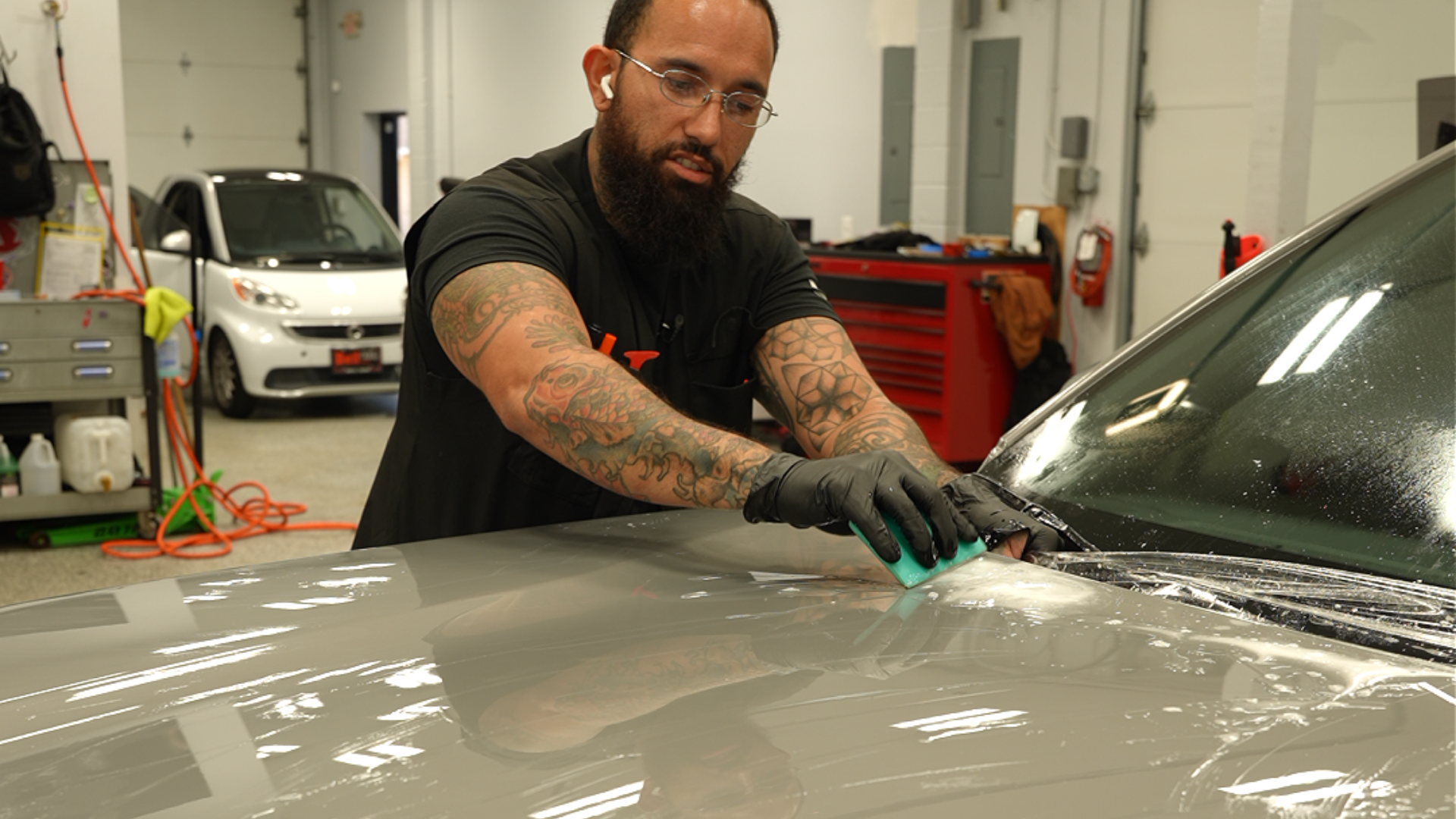
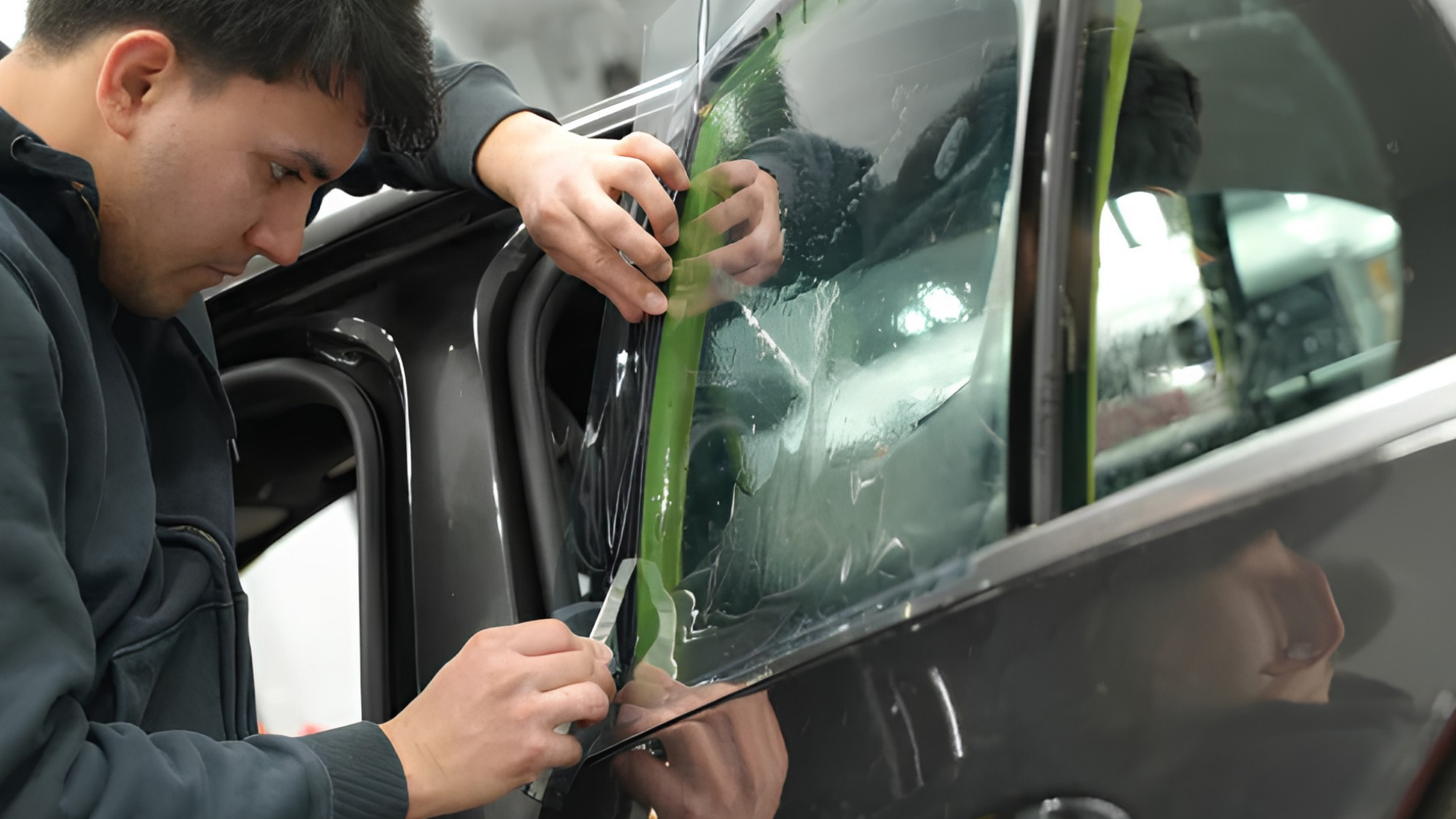
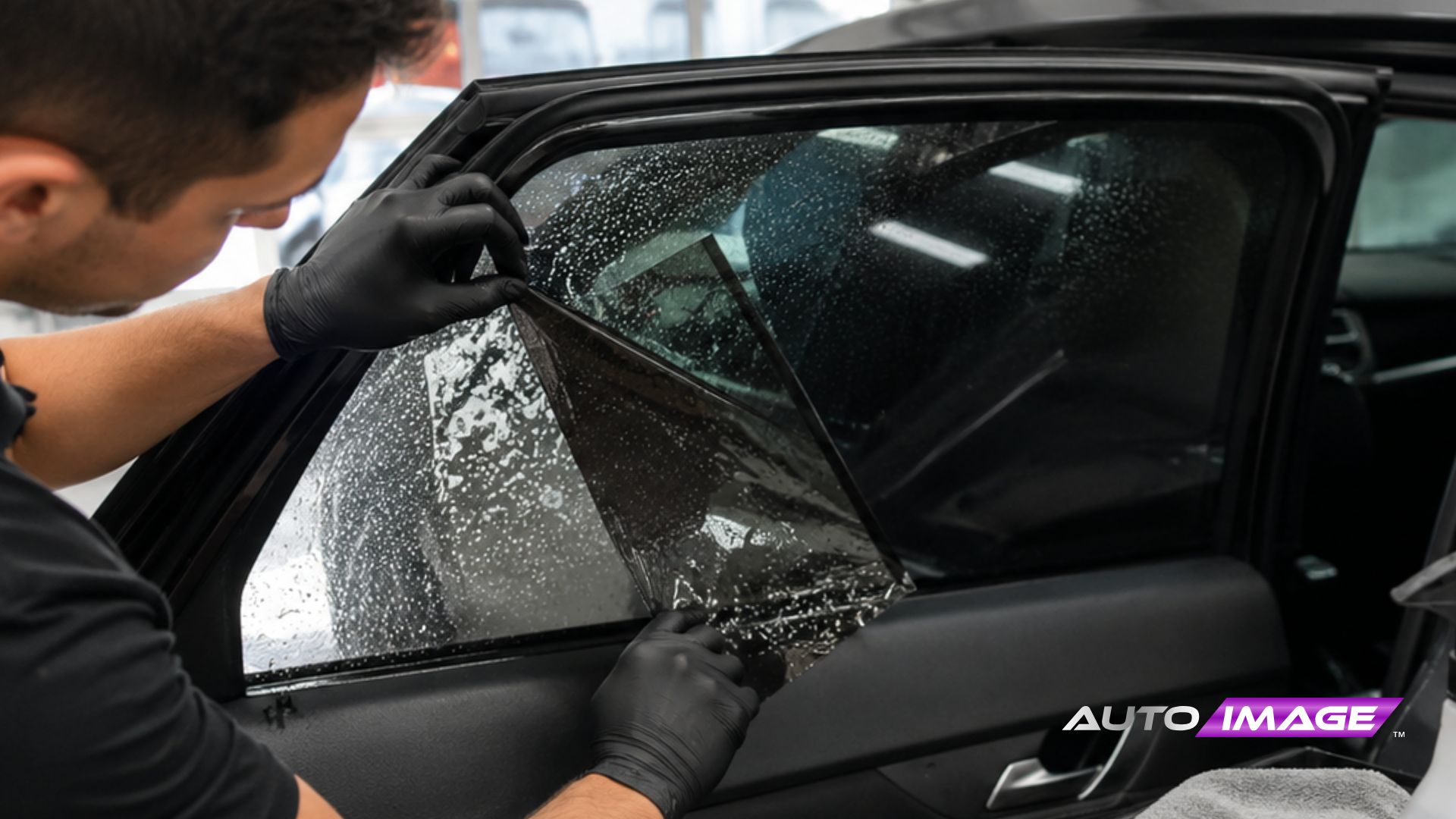
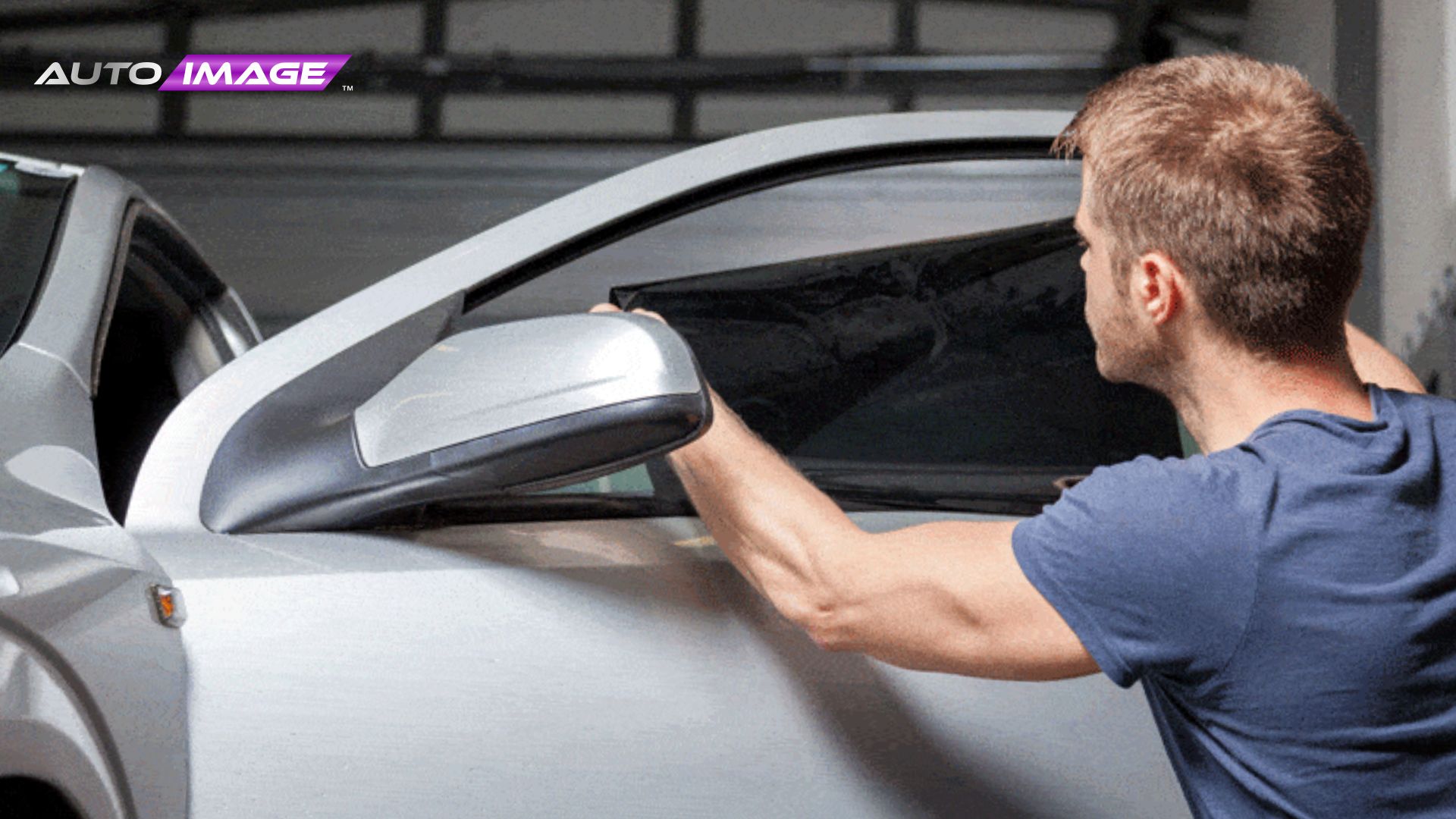
There’s a noticeable difference between a quick tint job and a properly handled ceramic window tint installation. The process isn’t complicated, but it does require patience, attention to detail, and the right setup.
- It starts with understanding how you use your vehicle and what you expect from the tint
- The film is selected based on performance needs and New Jersey regulations
- Every surface is carefully cleaned to avoid imperfections during application
- The film is shaped and installed to match each window precisely
- A curing period follows, allowing the tint to fully settle and bond
What really sets professional window tinting services Monmouth County apart is the environment where this happens. Clean air, controlled conditions, and proper lighting all play a role in how the final result turns out.
At Auto Image, that level of control is something we take seriously. A well-executed professional window tint installation isn’t just about appearance, it’s about making sure your ceramic tint installation performs the way it should long after you leave the shop.
Is Ceramic Window Tint Worth It in Monmouth County?
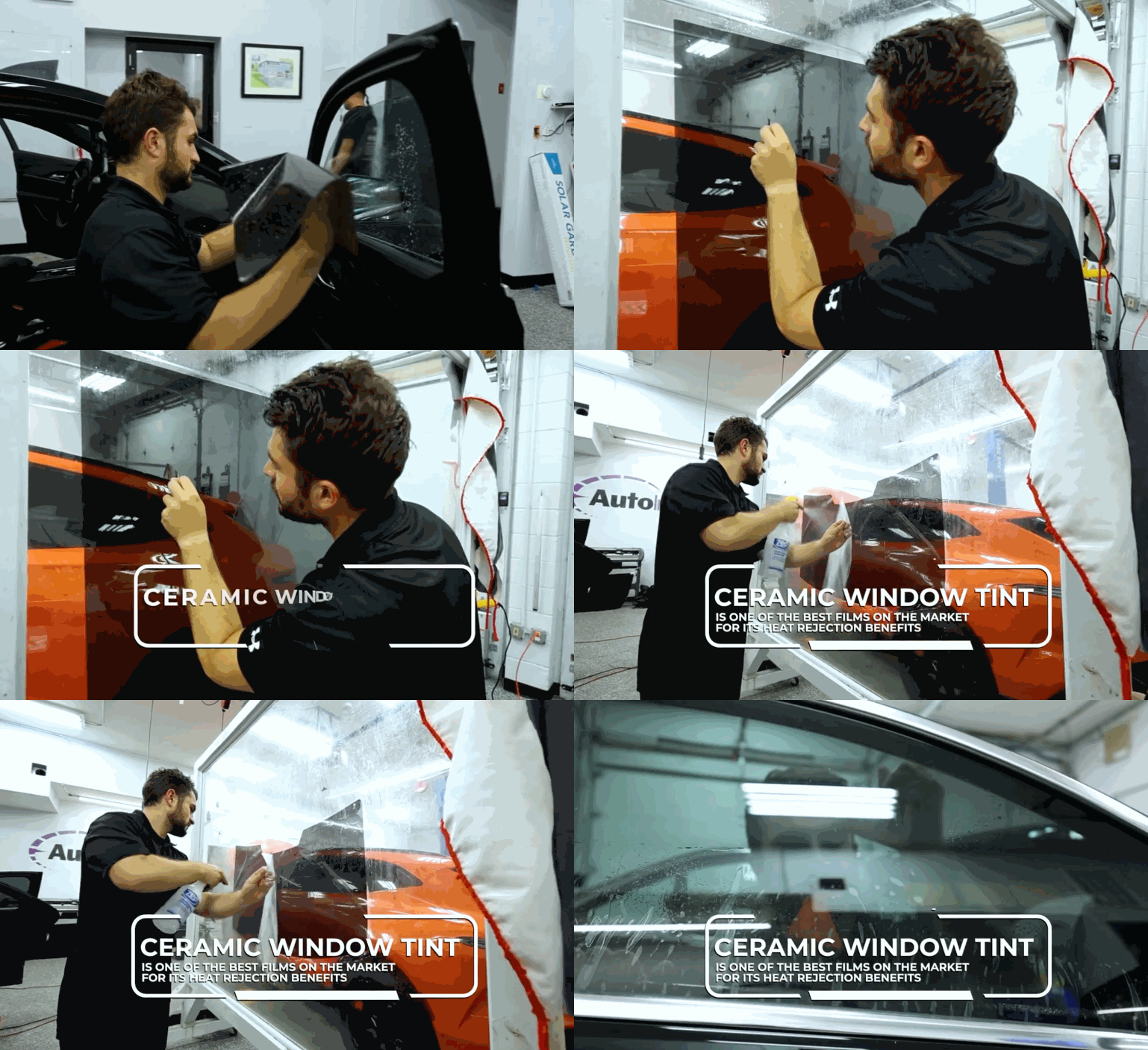
This is usually where the conversation gets real. You start comparing prices, looking at different types of window tint, and asking yourself if upgrading to ceramic is actually justified or if it’s just a premium label. The honest answer is that it depends on how you use your car, but in Monmouth County, the value tends to reveal itself pretty clearly over time.
When you’re regularly dealing with coastal sun and humidity, your car works harder to stay comfortable. A high-quality ceramic window tint helps reduce how much your AC has to compensate, which not only improves comfort but also takes some strain off your system. At the same time, you’re protecting your interior from the kind of slow damage that UV exposure causes, fading, cracking, and general wear that shows up sooner than expected.
If you’re asking “is ceramic window tint worth it,” it usually comes down to how long you plan to keep your vehicle and how often you’re driving in these conditions. The window tint value isn’t always immediate, it builds. Over weeks and months, you notice your car holds up better, feels more consistent, and requires less effort to stay comfortable. That’s where long term vehicle protection becomes less of a concept and more of a daily benefit.
How to Choose the Right Ceramic Window Tint for Your Vehicle
Not every ceramic window tint performs the same way, and choosing the right one isn’t just about going with the darkest or most expensive option. It’s about finding a balance between performance, visibility, and how you actually use your vehicle around Monmouth County.
- Think about how often you’re driving during peak sun hours, especially midday commutes or weekend trips near the shore
- Consider your parking habits, whether your car spends most of its time on the street, in open lots, or under some type of cover
- Decide how much heat rejection and UV protection matter based on your comfort preferences
- Make sure whatever you choose aligns with New Jersey tint regulations to avoid issues down the line
When you’re comparing window tint options, it helps to look beyond the surface and focus on how the film will perform in real conditions. That’s usually where the difference between average and the best ceramic window tint becomes noticeable.
At Auto Image, we guide drivers through that decision with a local perspective. Every automotive window tint Monmouth County installation we handle is based on how that vehicle is actually used, not just what looks good on paper. The goal is to make sure your tint fits your routine, not the other way around.
Common Mistakes to Avoid When Getting Window Tint
A lot of issues people experience with window tint don’t come from the product itself, they come from small decisions made early on. And in most cases, those decisions don’t seem like a big deal at the time.
- Choosing a lower-cost film without thinking about how it will perform after months of sun exposure
- Going with installers who don’t have the experience or setup to deliver consistent results
- Skipping over warranty details, which can matter more than expected later on
- Picking a tint without considering how Monmouth County conditions will affect it long-term
These kinds of window tint mistakes tend to show up later, bubbling, fading, or uneven performance that could have been avoided. Following basic car window tint installation tips and working with the right team from the start usually makes all the difference.
Conclusion: Upgrade Your Driving Experience with Ceramic Window Tint
When you look at everything together, performance, comfort, and durability, ceramic window tint becomes less of an upgrade and more of a practical improvement for everyday driving. In a place like Monmouth County, where sunlight, humidity, and long drives are part of the routine, having a window tint that actually works with those conditions changes how your car feels over time.
At Auto Image, we approach every installation with that long-term mindset. It’s not just about how your car looks when you leave, it’s about how it performs weeks and months later when you’re back on the road dealing with the same conditions.
If you’re thinking about upgrading your window tint or exploring your options, reach out to our team. We’re here to help you find the right ceramic window tint solution and make sure it’s installed the way it should be.