New Jersey winters can be tough on your vehicle. Between snowstorms, freezing temperatures, and roads treated with salt, your car’s exterior takes a beating during the colder months. While road salt helps prevent icy conditions, it can also damage your vehicle’s paint and contribute to rust if left on the surface for too long.
As you drive on treated roads, salty water and slush get kicked up by your tires and collect on the doors, bumpers, wheel wells, and undercarriage. Over time, this buildup can affect your vehicle’s finish. The risk is even greater when the paint already has chips or scratches that expose the metal underneath.
The good news is that regular maintenance and the right protective treatments can help reduce winter damage. Knowing where road salt collects and how to remove it can go a long way toward keeping your vehicle in good condition.
How Road Salt Damages Your Car’s Paint
Road salt is commonly used throughout New Jersey during winter to help keep roads clear of ice. The New Jersey Department of Transportation uses materials such as rock salt, liquid calcium chloride, and salt brine to improve road conditions. Although these treatments make winter driving safer, they also expose vehicles to corrosive materials.
As your tires move over treated roads, they spray salty water, slush, and debris onto your vehicle. This residue can settle on the paint and remain in areas that are difficult to clean, particularly around the lower body panels and wheel wells.
How Salt Affects Your Vehicle’s Paint Layers
Most modern vehicles have three main paint layers, each serving a different purpose:
- Primer: Helps the paint adhere to the vehicle’s metal surface.
- Base coat: Gives the vehicle its color.
- Clear coat: Covers the base coat and helps protect it from everyday exposure and minor surface damage.
These layers are designed to protect your vehicle, but they are not completely resistant to damage. Road debris, stone chips, and scratches can compromise the finish. Once bare metal is exposed, salt and moisture can speed up corrosion, eventually leading to rust spots, bubbling, and peeling paint.
Which Areas Are Most Vulnerable?
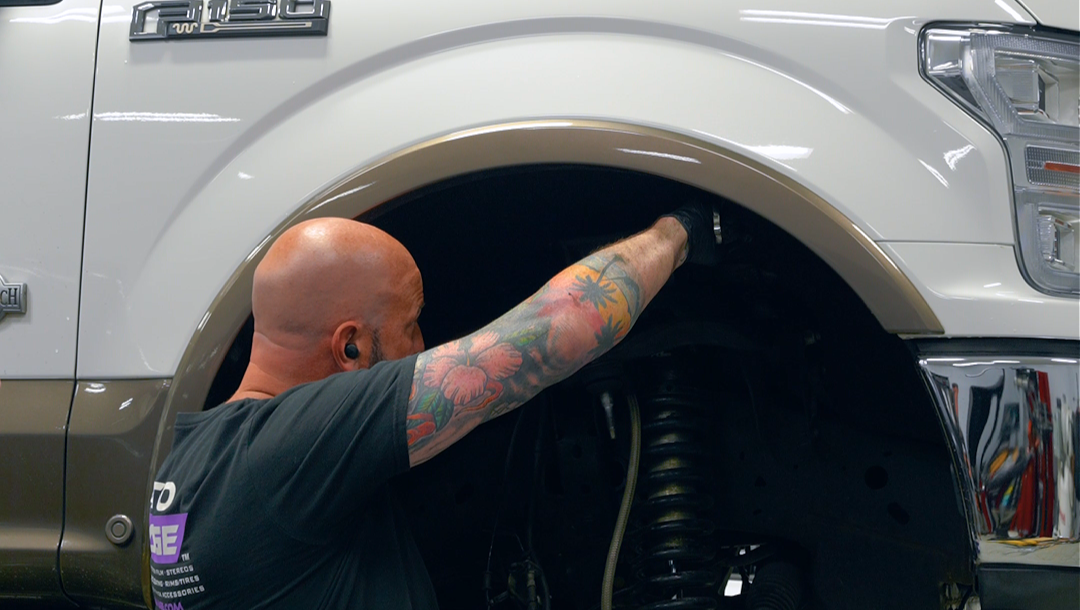
Some parts of your vehicle are more exposed to road salt than others. The lower body panels, rocker panels, wheel wells, and fender edges tend to collect plenty of salty road spray. Bumpers, hood edges, trunk seams, and door openings also deserve attention, along with the undercarriage and other exposed metal components.
Make it a habit to check these areas during winter. Catching small chips, scratches, or early signs of rust gives you a better chance of addressing the problem before it spreads.
Signs That Road Salt Is Damaging Your Car
Road salt damage does not always happen right away. Sometimes, the first signs are easy to overlook, especially when your vehicle is regularly covered in dirt and winter grime. When washing your car, take a closer look at the paint and check for the following:
- White Salt Deposits: White or gray residue around the lower panels and wheel wells is a sign of salt buildup. Wash it off rather than allowing it to accumulate.
- Paint Chips and Scratches: Small chips may expose the layers underneath or leave bare metal vulnerable to moisture and corrosion.
- Dull or Faded Paint: If your vehicle has lost some of its shine, surface contamination or damage to the protective finish may be the cause.
- Rust Spots: Orange or brown marks around scratches, seams, and chipped paint can indicate corrosion.
- Bubbling or Peeling Paint: When paint starts lifting away from the surface, rust may be developing underneath. Have these areas inspected before the damage gets worse.
If you notice any of these problems, it is worth addressing them sooner rather than waiting until spring. Small paint issues can become more expensive to fix when corrosion spreads.
How to Protect Your Car’s Paint from Road Salt During Winter
Keeping road salt off your vehicle is one of the simplest ways to reduce winter damage. A consistent washing routine, proper paint protection, and timely repairs can help maintain your car’s finish throughout the season.
1. Wash Your Vehicle Regularly
Try to wash your vehicle every one to two weeks during winter, adjusting the frequency depending on how often you drive on salted roads. Focus on the lower body panels, wheel wells, bumpers, and undercarriage, where salt tends to collect. A car wash with an underbody rinse is especially useful because it helps remove buildup from areas you cannot easily reach by hand.
It is also a good idea to wash your vehicle after a snowstorm or a long highway drive, as long as weather conditions allow. Removing salt before it has time to build up helps keep the exterior and undercarriage cleaner.
2. Apply Wax Before Winter
Car wax adds another layer of protection over your vehicle’s paint. It helps repel water and makes dirt, salt, and road grime easier to remove during regular washes. Before applying wax, wash and dry the vehicle thoroughly, then follow the product instructions for application and reapplication.
Wax will not prevent all winter damage, but it can help maintain the finish and make routine cleaning easier.
3. Consider Ceramic Coating
If you want longer-lasting paint protection, ceramic coating is worth considering. Unlike traditional wax, which needs to be reapplied more frequently, ceramic coating creates a more durable protective layer over your vehicle’s paint.
Its hydrophobic properties help water and contaminants slide off the surface, making salt residue and road grime easier to clean. It also helps maintain your vehicle’s gloss and provides added resistance to environmental contaminants. However, ceramic coating will not prevent rock chips, deep scratches, or rust caused by exposed metal.
Auto Image offers professional ceramic coating services for New Jersey drivers who want to make vehicle maintenance easier and keep their paint looking its best throughout the year.
4. Repair Paint Chips Promptly
Small chips and scratches may not seem like a big deal, but they can leave your vehicle vulnerable during winter. When bare metal is exposed, contact with salt and moisture can lead to corrosion.
Check the hood, front bumper, fenders, and lower body panels regularly. Minor chips may only need touch-up paint, while deeper scratches or areas where rust has already developed may require professional repairs. Taking care of these problems early can help prevent more extensive paint damage.
5. Dry Your Vehicle After Washing
Washing removes salt and dirt, but it is also important to dry your vehicle properly. Use a clean microfiber towel or vehicle air dryer to remove excess water, paying particular attention to door openings, side mirrors, window seals, and trunk openings where moisture can collect.
This extra step helps prevent water spots and keeps moisture from sitting in areas that are difficult to dry.
Protecting Your Car’s Undercarriage from Road Salt
While paint damage is easy to spot, corrosion underneath your vehicle can go unnoticed for much longer. Every time you drive on treated roads, salty water and moisture can reach the undercarriage, where they may affect the frame, suspension components, brake lines, fuel lines, and exhaust system.
That is why winter maintenance should go beyond washing the exterior. Keeping the underside of your vehicle clean and protecting exposed metal surfaces are also important.
Why an Undercarriage Rinse Is Not Always Enough
An undercarriage rinse helps remove salt, dirt, and road debris that collect underneath your vehicle. It should be part of your regular winter washing routine, especially after driving on heavily treated roads.
However, washing only removes the buildup already on the surface. It does not provide lasting protection against future exposure. Your vehicle will continue to encounter salt and moisture every time you drive on treated roads, which is why additional protection may be worth considering.
How Undercoating and Rust Proofing Help
Undercoating and rust proofing provide an added layer of protection for suitable metal surfaces underneath your vehicle. These treatments help reduce direct exposure to road salt, moisture, and other contaminants that contribute to corrosion.
At Auto Image, undercoating services help protect vulnerable underbody surfaces from the conditions New Jersey drivers face during winter. If you regularly drive on salted roads, consider having your vehicle inspected and treated before winter begins. Proper surface preparation is important before application, and regular undercarriage washing should remain part of your maintenance routine.
It is also important to understand that undercoating is a preventive treatment, not a repair for existing rust. If corrosion is already present, the affected areas should be inspected and properly addressed before any protective coating is applied.
Contact Auto Image to learn more about available undercoating and rust proofing options for your vehicle.
Professional Paint and Rust Protection Services at Auto Image
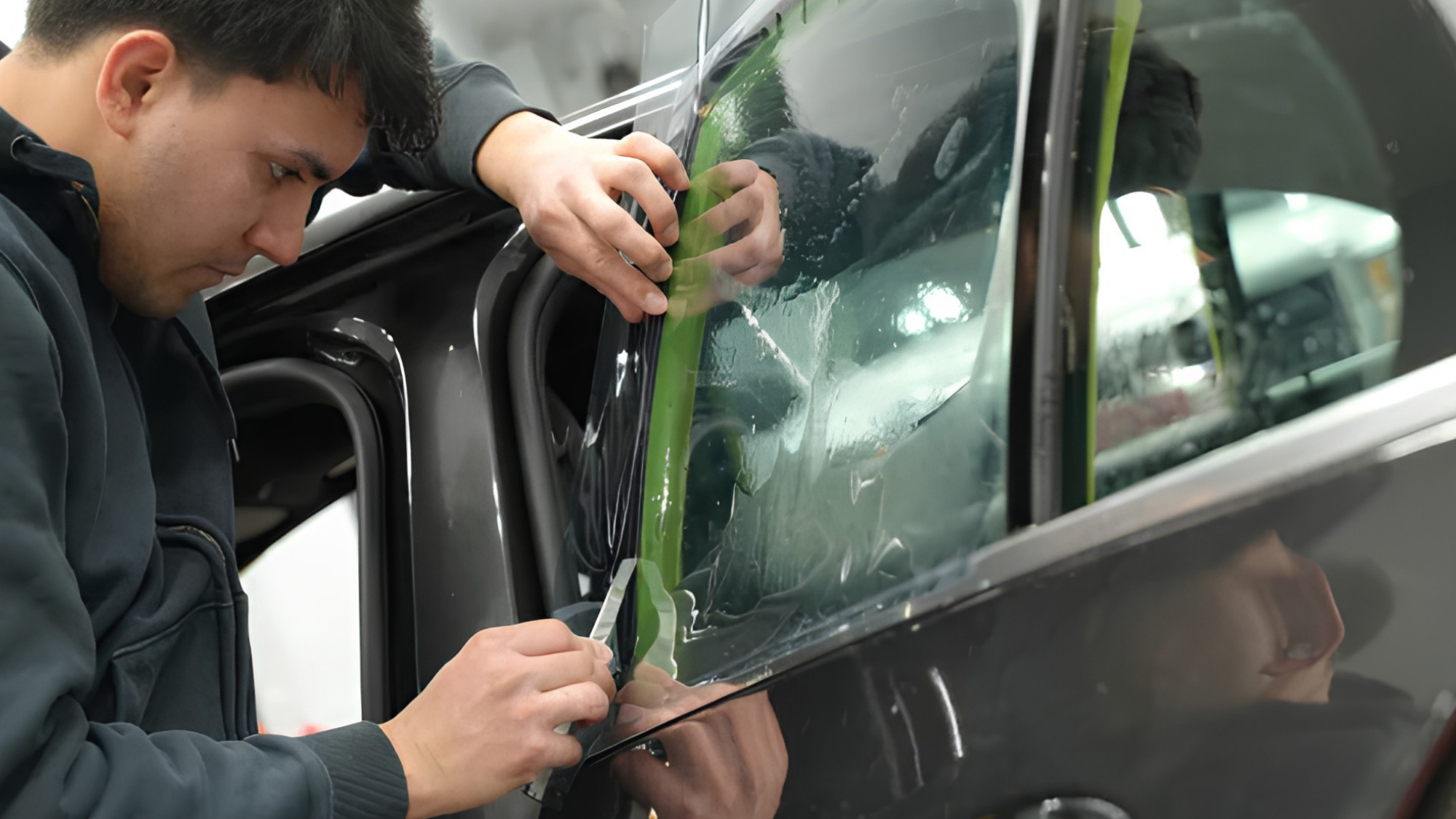
Keeping your vehicle protected during winter may require more than one type of treatment. Ceramic coating, Paint Protection Film, and undercoating each serve a different purpose, helping protect various parts of your vehicle from everyday damage.
Ceramic Coating
Ceramic coating adds a protective layer over your vehicle’s exterior paint. It helps repel water and contaminants, maintains the paint’s gloss, and makes regular washing easier. It is a good option for drivers who want to spend less time dealing with stubborn dirt and road grime.
Explore Auto Image’s ceramic coating services to learn more about available options.
Paint Protection Film (PPF)
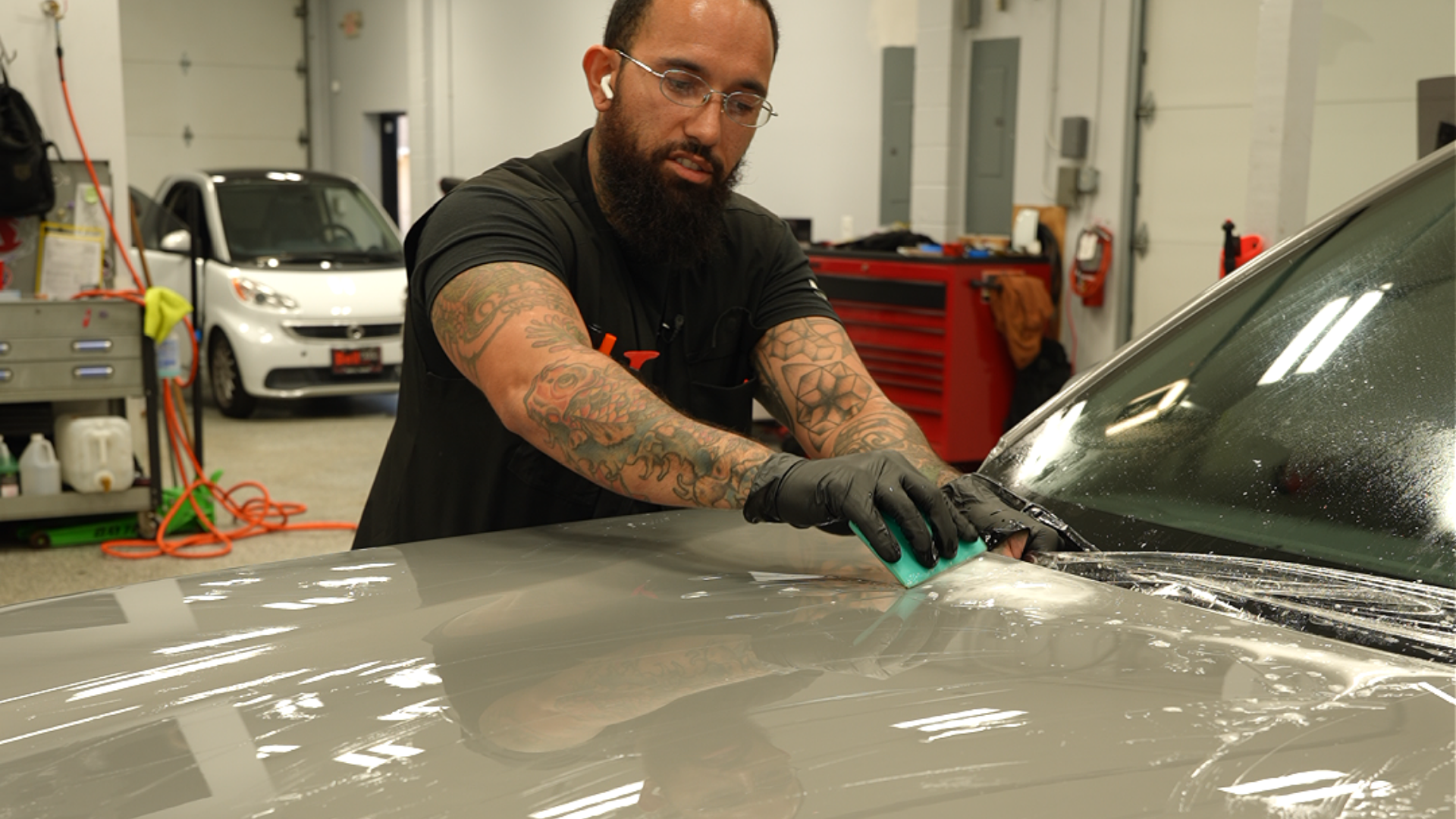
Paint Protection Film provides a physical barrier against rock chips, scratches, and road debris. It is particularly useful for areas that take the most impact while driving, such as the front bumper, hood, fenders, and side mirrors.
For vehicles regularly driven on highways and roads with loose gravel or debris, PPF can help prevent damage to high-impact areas.
Explore Auto Image’s Paint Protection Film installation services to learn more about coverage options.
Undercoating and Rust Proofing
Unlike ceramic coating and PPF, which protect exterior painted surfaces, undercoating and rust proofing focus on the metal underneath your vehicle. These treatments help reduce exposure to road salt and moisture, which can contribute to corrosion over time.
Auto Image offers undercoating services for drivers who want additional protection for their vehicle’s undercarriage, particularly during New Jersey’s winter months.
Each service addresses a different type of damage, so they can also complement one another.
| Service | Primary Protection |
| Ceramic Coating | Exterior paint and surface contaminants |
| Paint Protection Film | Rock chips, scratches, and road debris |
| Undercoating and Rust Proofing | Undercarriage metal and corrosion risks |
Winter Car Care Checklist for New Jersey Drivers
Keeping up with winter maintenance does not have to be complicated. A few regular habits can help reduce salt buildup and keep your vehicle in better condition throughout the season.
- Wash your vehicle every one to two weeks.
- Choose a car wash with an undercarriage rinse.
- Clean wheel wells and lower body panels.
- Apply wax or consider ceramic coating.
- Repair paint chips and scratches promptly.
- Remove salt buildup after snowstorms.
- Dry door openings and areas where water collects.
- Check the undercarriage for visible signs of corrosion.
- Consider professional undercoating and rust proofing before winter.
Protect Your Vehicle Before Road Salt Causes Lasting Damage
New Jersey winters can take a toll on your vehicle, but a little preparation can help prevent some of the damage caused by road salt. Regular washing helps remove corrosive buildup, while ceramic coating and Paint Protection Film provide added protection for exterior surfaces. For the metal underneath your vehicle, undercoating and rust proofing can help reduce exposure to salt and moisture.
At Auto Image, we help New Jersey drivers find the right protection for their vehicles. Whether you want to maintain your paint with ceramic coating, protect high-impact areas with Paint Protection Film, or add an extra layer of defense underneath your vehicle with undercoating and rust proofing, we offer services to help you prepare for winter.
Do not wait until paint damage or rust becomes a bigger problem. Contact Auto Image to learn more about our vehicle protection services and find out how to keep your car better protected throughout the winter.